

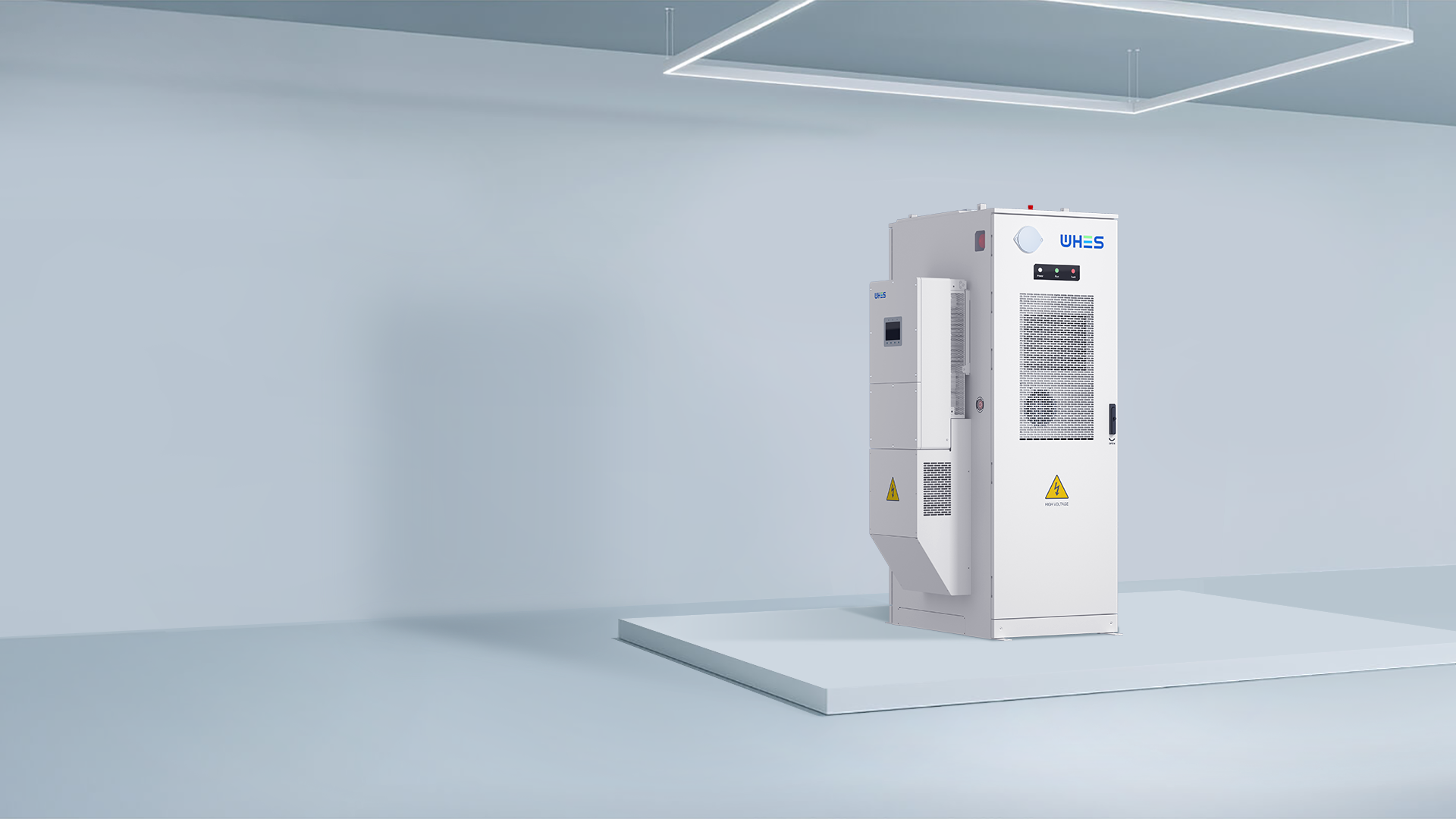
The urgent problem heavy industry faces
Factories and processing plants today buay tahan—facing frequent grid disturbances, peak-demand penalties, and unpredictable tariffs that eat margins fast. The immediate fix many operations consider is adding solar battery storage and an inverter, but not every solution actually protects operations during voltage sags or supports high motor inrush currents. What heavy industry needs is a reliable behind-the-meter strategy that keeps production lines running while optimising energy costs — otherwise your CAPEX might just sit idle when you need it most. (Industry terms: behind-the-meter, inverter)
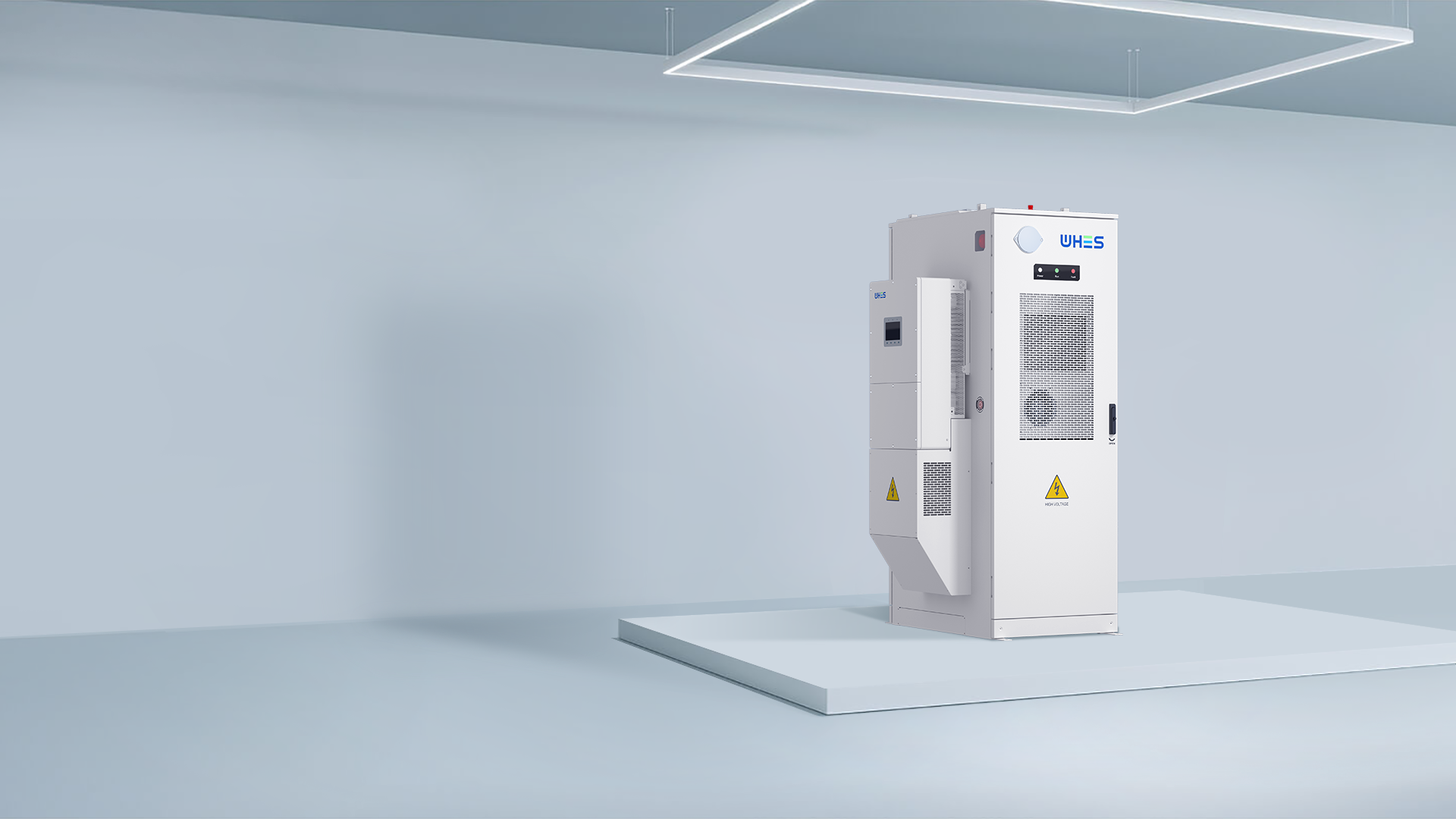
Why standard approaches fall short
Many sites install single-phase or consumer-grade systems that handle lights and small loads but can’t sustain large three-phase drives or meet harmonics and load-balancing demands. The result: tripped breakers, nuisance trips, or worse—expensive downtime. Traditional UPS systems also struggle with long-duration events and are expensive at scale. The core gap is not just energy capacity but control: you need a system that manages phase balance, ramp rates, and state of charge within complex industrial load profiles. (Industry terms: three-phase, state of charge)
How advanced custom three-phase hybrid inverters solve the problem
A tailored three-phase hybrid inverter brings microgrid-like controls behind the meter. It can island the site during grid outages, support motor starting, smooth ramping for large loads, and coordinate with on-site generation and batteries. When paired with an integrated BMS and intelligent energy management, you get demand charge reduction, peak shaving, and emergency backup in one package. For facilities wanting off-grid capability during long outages, integrating an off grid battery system alongside the hybrid inverter gives real redundancy and operational assurance. (Industry terms: BMS, grid-forming)
Real-world anchor: lessons from grid-scale storage
Look at Hornsdale Power Reserve in South Australia—the famous battery that stabilised frequency and delivered fast response to grid events. That project showed two things clearly: fast inverters with precise control can provide services that traditional generators cannot match, and storage paired with smart inverters creates value beyond simple energy arbitrage. For heavy industry, the lesson is direct: fast, coordinated control reduces downtime risk and creates new revenue or cost-savings pathways (ancillary services, peak avoidance). This is not theoretical lah—operators in multiple regions now bid storage assets into markets during peaks.
Design choices and trade-offs you must weigh
Picking components is not just about kW or kWh. Decide first on the role: continuous peak shaving, full islanding, or fast ride-through. Then choose inverter topology and control modes (grid-following vs grid-forming) that match. Battery chemistry affects cycle life and footprint; lithium-iron-phosphate (LFP) often balances safety and longevity for industrial cycles. Protection coordination and harmonics mitigation are critical when matching with heavy motors—do not assume compatibility. —Make sure you simulate load profiles with real-time data from the plant before finalising sizing. (Industry terms: peak shaving, grid-following, grid-forming)
Common mistakes operators make — and fixes
Three common missteps: undersizing inverter surge capacity, ignoring thermal constraints in battery cabinets, and failing to test with real loads. Undersized inverter surge means inability to start large motors; the fix is to specify sustained and short-term overload ratings. Thermal neglect shortens battery life—plan ventilation and derating. Finally, lab tests aren’t enough; run full-scale commissioning with production equipment to validate control logic on site. These checks prevent surprises during the first high-stakes outage.
Comparing options: turnkey vs custom integration
Turnkey systems are faster to deploy and often cheaper up front, but may not handle unusual load signatures. Custom integrations cost more and require engineering time but yield better long-term resilience and efficiency for complex plants. If you have variable processes and frequent start-stop motors, invest in a custom three-phase hybrid inverter solution with programmable control strategies. For simpler retrofits, a proven turnkey solar battery storage package might be sufficient — choose based on operational criticality, lah.
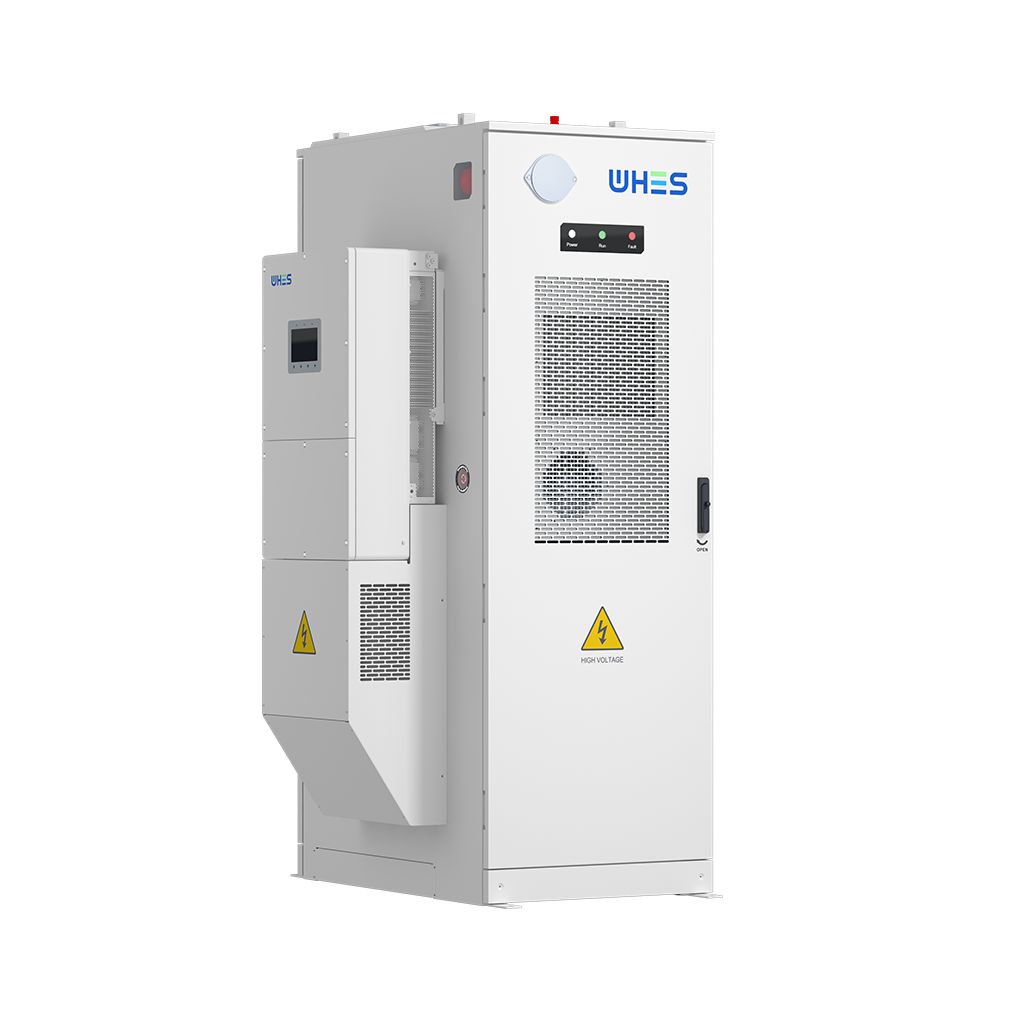
Evaluation metrics — what to measure before you buy
Before committing, demand numbers not slogans. Measure: expected peak shaving reduction in kW, guaranteed ride-through time at full load, and documented inverter MTBF or warranty terms. Also check harmonics performance and compliance with local grid codes. These metrics translate promises into financial models and reliability estimates you can trust.
Three golden rules for selecting the right setup
1) Specify operational objectives first: define acceptable downtime, desired peak reduction percentage, and islanding duration. Without clear objectives, vendor quotes lah—confusing. 2) Require real load commissioning: insist on factory- and site-commissioned tests using actual motors and PLC interactions. This proves the control logic under real conditions. 3) Value lifecycle, not just CAPEX: include warranty, service SLAs, and battery cycle life in your total cost of ownership calculation.
Implementing a robust behind-the-meter solution with a custom three-phase hybrid inverter turns grid risk into an operational advantage—fewer surprise stoppages, clearer energy cost control, and optional revenue from grid services. For heavy industry that needs both resilience and optimisation, WHES offers integrated systems and engineering support that align with these practical rules. —