

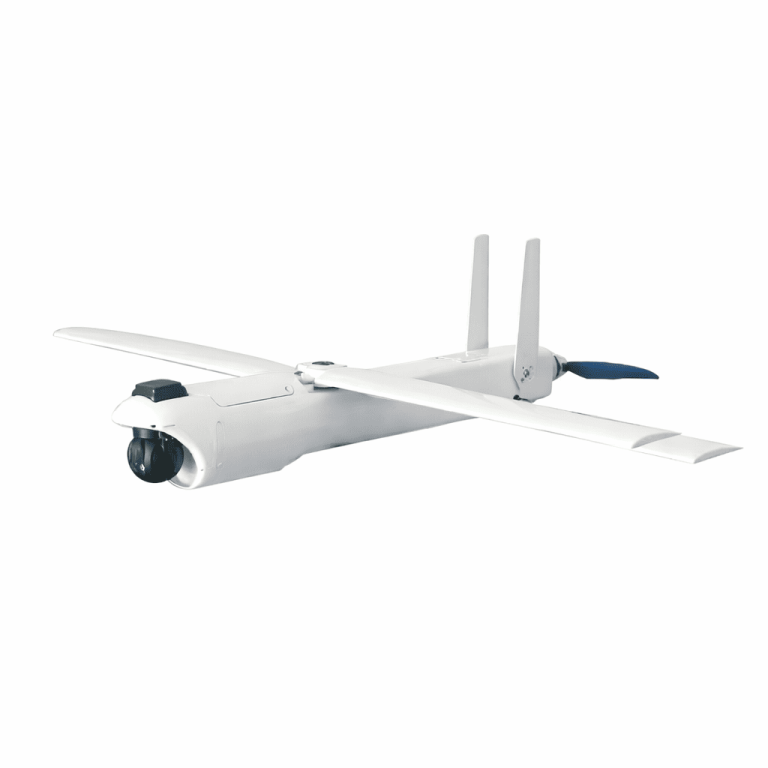
Quick take: why the split matters now
Hard-kill and soft-kill aren’t marketing buzzwords — they’re fundamentally different ways to stop an aerial threat. Hard-kill destroys a target, soft-kill neutralizes it without wreckage. For operators handling long-endurance reconnaissance or tactical strike platforms — including many fixed wing drones — the choice changes rules of engagement, logistics, and post-event cleanup.

How each approach actually works
Hard-kill systems use a physical intercept: projectile, missile, or directed-energy beam. They demand precise targeting, fast closure rates, and robust airframe discrimination to avoid collateral damage. Soft-kill covers jamming, spoofing, and cyber takeover of the drone’s autopilot or comms link, which levers electronics rather than explosives. Both methods use sensor fusion — radar, EO/IR, radio-frequency detection — but their downstream requirements differ: kinetic solutions need ammo supply and safe engagement zones; electronic solutions need spectrum knowledge and continual firmware updates.
Comparative trade-offs: speed, cost, and legal exposure
Hard-kill is decisive and immediate. It’s well-suited where a hostile platform must be eliminated fast and where post-engagement debris can be secured. Soft-kill is scalable and reversible, useful in crowded airspace or urban settings where collateral risk is high. Costs split differently: one interceptor shot versus ongoing EW (electronic warfare) subscriptions and operator training. Legally, kinetic engagements raise property and safety concerns — recall the Gatwick drone shutdown in 2018 that grounded flights for roughly 36 hours — while soft-kill can raise questions about spectrum interference and attribution. Real-world events show mixed results: in recent conflicts like the 2022 Russia-Ukraine operations, layered hard and soft measures were deployed to adapt to both swarms and high-end fixed wing threats.

When one approach beats the other: practical criteria
Use hard-kill when the target is weaponized, speed of neutralization matters, and recovery of debris is feasible. Choose soft-kill for disruption inside populated areas, to capture an asset intact, or to degrade an adversary’s comms network. Consider platform traits: high-speed jets or small, low-flying loiterers each demand different intercept geometries. Pay attention to payload signatures and loiter time — those clues help tune whether jamming or a missile is the correct tool.
Common mistakes teams make
Operators often pick a single favorite and underinvest in the other. That’s risky — layered defense wins. Another mistake: poor rules-of-engagement tied to incomplete airspace awareness; team members confuse target type because they didn’t account for autopilot failover modes. There’s also a tendency to assume vendor claims match field performance — test in representative conditions. — Lastly, logistics get overlooked: kinetic systems need secure storage and resupply chains, whereas soft-kill platforms require frequent firmware and threat-library updates.
How to evaluate systems — three golden rules
1) Match effect to environment: prioritize soft-kill where civilian risk is high; favor hard-kill in uncontested tactical zones. 2) Require demonstrable integration: the solution must marry sensors, command-and-control, and countermeasures so engagement timelines are predictable. 3) Measure sustainment cost: factor in ammo, spare airframes, and the manpower for ongoing RF-spectrum management and software updates. These metrics translate into concrete procurement decisions and help choose between vendors and platform types, whether you’re buying a new ISR airframe or swapping comms modules for a legacy fleet.
Decisions land better when you can compare real platforms and suppliers side-by-side — that’s the practical value behind curated inventory like fixed wing drones for sale. Trust real tests, demand transparent performance data, and plan for hybrid defenses that mix hard and soft tools.
Three clear evaluation metrics, used together, will steer you right: decisive effect, safe employment, and affordable sustainment. One sentence: proven practicality beats theoretical elegance every time. — Military Hub