

Introduction: The Moment You Ask for Shape, Not Just Size
You walk into a clinic with a clear picture in mind. You want lift, curve, and balance that moves with you. Hyaluronic acid gel is on the menu, and the choices feel endless. Even more, buttock filler injections now promise contour without downtime. Industry reports show steady, double-digit growth for HA-based solutions over the last few years, and patient satisfaction tracks up when recovery time goes down. But numbers don’t tell the whole story—funny how that works, right?
Here’s the twist: not all gels behave the same way inside living tissue. Cohesivity, viscoelastic modulus (G’), and cross-linking density matter more than a brand name. The right gel integrates with movement; the wrong one flattens under load or migrates under pressure. Picture a weekend hike, a dance class, or a long flight. Your body shifts. Your gel must keep up. So the real question is this: how do we choose a hyaluronic acid gel that supports shaping goals without trading off feel, safety, or form (yep, real-world physics included)? Let’s open the toolkit and set up a comparison that actually helps you decide—then move into what most guides miss.
Under the Surface: The Hidden Snags in Volume-Only Thinking
What really limits lift?
Let’s get technical. Volume alone does not equal contour. With buttock filler injections, users often report early “wow” and late “where did it go?” That gap comes from mechanical mismatch. Low G’ gels can compress under sitting pressure; low cohesivity can spread along tissue planes. Add water-binding behavior, and you can see puff without true projection. Traditional fixes—more syringes, deeper injection—can raise risk without solving fit. Think cannula path, shear forces, and the role of fascia. Rheology decides how a gel holds shape under load; integration decides how it feels in motion. Look, it’s simpler than you think: match material behavior to the job, not just to the area.
There’s also user fatigue. Patients want shape, not maintenance marathons. Over-correction, uneven distribution, and late-stage flattening mean return visits and rising spend. Fat transfer can bring its own issues: variable take rate, downtime, and contour asymmetry. Implants carry surgical risk and fixed feel. The hidden pain point is predictability. People want a contour map they can trust. They need gels with tuned cross-linking density, controlled osmolality, and solid cohesivity that resist migration, yet still allow soft motion. Technique and product must meet in the right injection plane—subcutaneous fat for contour, not the reticular dermis. When either side misses, results look big but not better.
From Today to Tomorrow: How Smart Gels Change the Curve
What’s Next
Now, look forward. New principles are shaping the next wave of body fillers. Multi-density cross-linking creates a matrix that is firm in projection yet flexible under shear. Shear-thinning flow allows smooth placement through a cannula, then rebound to a supportive state once at rest—almost like a spring tuned for sitting, standing, and sport. Higher G’ cores with blended peripheries can provide lift without hard edges. Meanwhile, fine-tuned cohesivity reduces lateral spread, so curves stay where you sculpt them. Safety stays central: reversible by hyaluronidase, and designed for biocompatibility. This is where face tech meets body demand. The same logic that makes the best dermal filler for cheeks hold a high cheek point can adapt to gluteal projection—different loads, same smart physics.
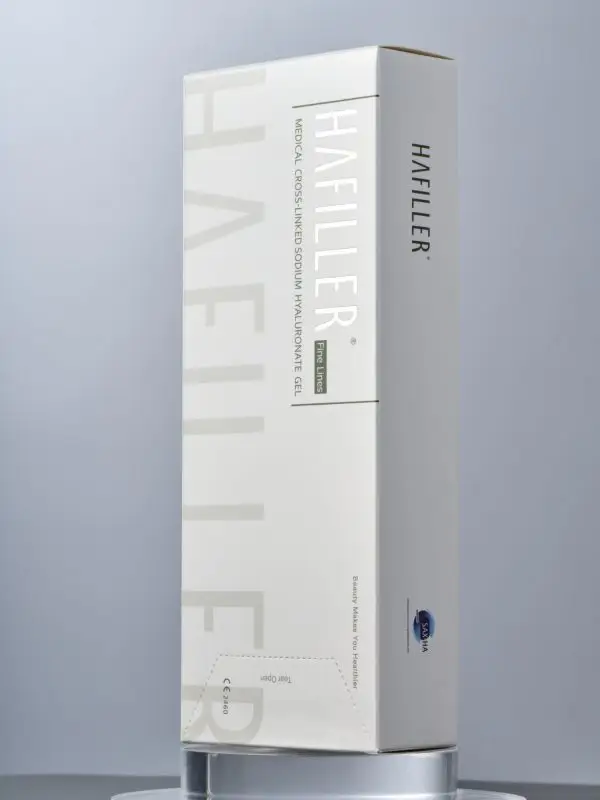
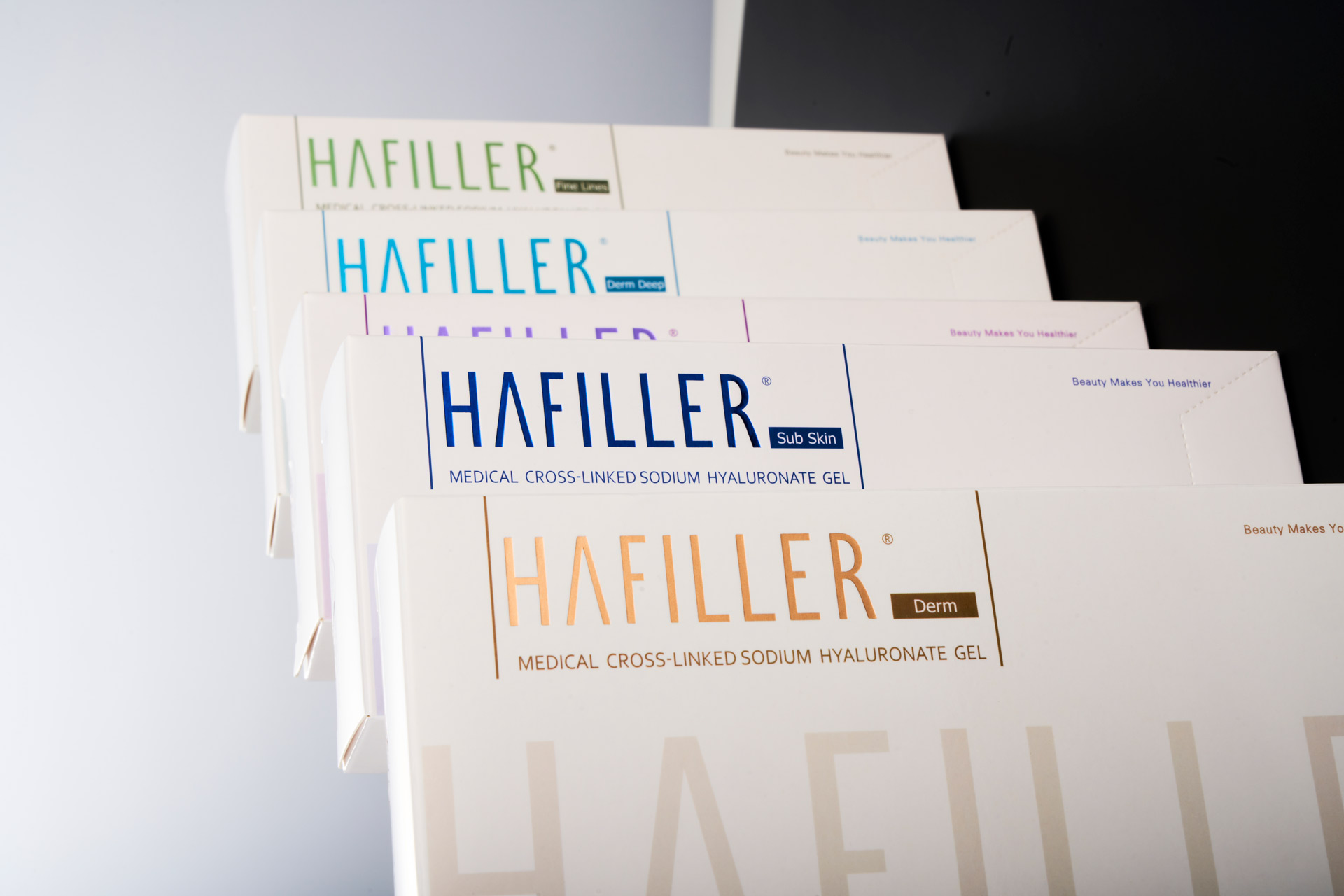
Real-world shifts are already in motion— and that changes the game. Clinics are comparing gels by measurable features, not only brand: G’ ranges, gel cohesivity scores, water uptake curves, and extrusion force. Case feedback shows fewer top-ups when rheology fits the task. Patients report more “natural in motion” results when injection planes respect anatomy. The takeaway so far: choose by function, then by feel. To wrap it with clear guidance, use three metrics when evaluating solutions: 1) Mechanical fit to the job (target G’ and cohesivity for projection vs. blending); 2) Integration profile (how the gel behaves in the subcutaneous layer under daily load); 3) Serviceability (predictable longevity, ease of refinement, and reversibility). Do that, and your plan turns from guesswork to method—measurable, calm, and clear. HAFILLER