

Why Comparison Matters Before You Pour a Single Drop
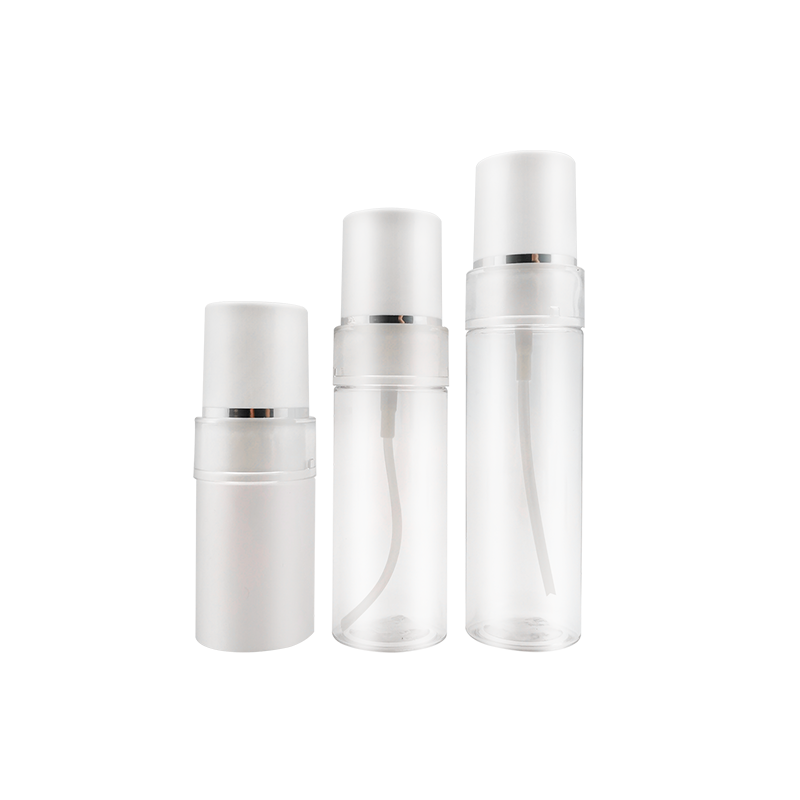
Bold move, sì: your packaging will make or break the launch day mood. You meet with a pet cosmetic bottle manufacturer on a video call, samples shining on screen. The scenario is familiar—your grooming mist, your label files, your deadline. Data whispers in the background: small torque errors can spike leak rates, color drift can dent shelf appeal, and rework can swallow 8–12% of margin. As you scan the options from cosmetic pet bottle suppliers, you wonder: how do you compare beyond price and pretty samples (va bene, we all love a nice glossy bottle)? An honest check needs more than charm. It needs proof. It needs repeatability. Think preform stability, neck finish tolerances, and how the ISBM ovens are tuned across shifts. Consider the sample’s weight profile, the panel thickness mapping, and whether the supplier monitors lot traceability like a hawk—because a recall is not a vibe.
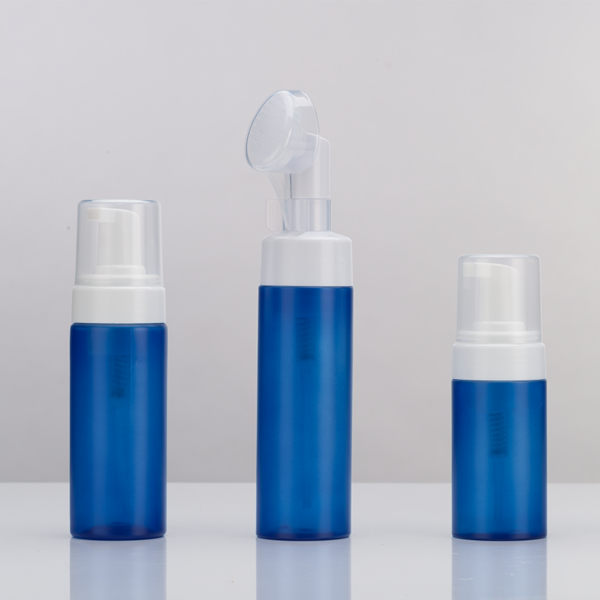
So here’s the question: what tells you this partner will get it right every run, not just the first? When the trade-offs start—PCR content vs. clarity, or scent oils vs. barrier—who shows the data and who waves a hand? Let’s step into a fair, side‑by‑side view, and see what really separates the pack.
The Hidden Gaps in Supplier Promises
Why do glitches slip through?
Look, it’s simpler than you think. Traditional checks lean on one glossy sample, a low quote, and a fast lead time. But that path hides the pain. The neck finish may measure “within spec,” yet the pump still squeaks because torque retention drifts after cooling—funny how that works, right? A resin grade swap can shave cost, then raise brittleness when you add 30% PCR content. Without cavity-level SPC and a tight QA sampling plan, you won’t catch micro‑shifts in wall distribution until the unit test fails. And if lot traceability is fuzzy, good luck linking a minor leak-back to a single mold cavity or reheat profile. This is where cosmetic pet bottle suppliers either shine or stumble: deeper process control beats a perfect one‑off every time.
Hidden user pain points appear in the real world. Caps jam because the thread start is off by a hair. Labels wrinkle when panel rigidity varies from run to run. Your fragrance carrier migrates unless they validate barrier or recommend an EVOH layer. The fix? Ask how they validate preform moisture levels, what tolerances they hold on the neck ring, and whether they share cavity reports. Require migration testing for actives and surfactants; demand torque and drop tests on filled samples. When suppliers speak clearly about mold cavity balance and regrind policy—and show the data—you can breathe. When they dodge, you know what to do.
What’s Next: Tech Signals That Separate Leaders
Real‑world Impact
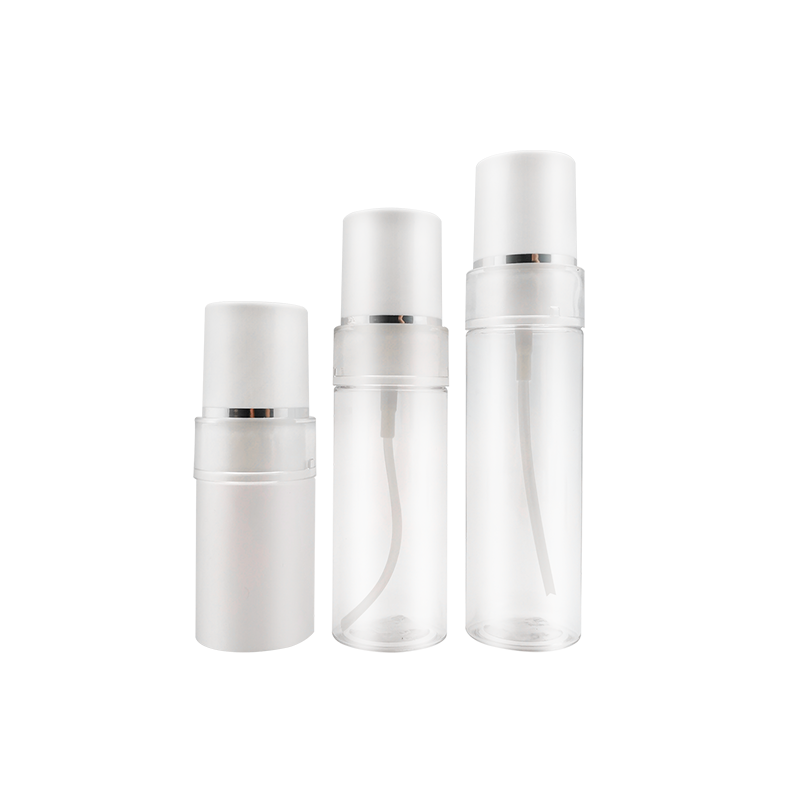
Forward‑looking teams don’t just promise consistency; they wire it in. New lines add inline vision at each station, and some even run edge computing nodes that flag defects before bottles leave the wheel. In injection stretch blow molding, digital recipes control reheat lamps, blow pressure, and stretch ratios per resin grade—then lock them with SPC alarms. Ask a pet cosmetic bottle factory if they track torque curves through capper calibration, not just static torque after cool-down. If they can simulate panel flex in a digital twin, they can predict label fit before your design goes to print— and yes, it matters. Cleanroom protocols for sensitive formulas, migration testing for essential oils, and documented neck finish gauges give you fewer surprises and more sleep.
Comparatively, the leaders act like partners, not vendors. They disclose requalification rules when PCR content shifts. They show energy maps for oven zones to guard against color drift. They keep a barcode trail for lot traceability, so if one cavity drifts, they isolate it in hours. Summing up our earlier points: one sample means little; controls and proof mean everything. If you need a quick decision framework, try this: 1) Capability depth—do they prove neck finish and wall distribution with real SPC, not just a spec sheet? 2) Material intelligence—can they guide PCR content, barrier choices, and resin grade without losing clarity or strength? 3) Operational transparency—will they give cavity reports, changeover logs, and corrective actions on request? Choose with these, and your bottle line will run smoother, your returns will drop, and your launch will feel like a calm Italian morning. For reference and further learning, see NAVI Packaging.