

Introduction — a coastal scene, a hard fact, and a question
Have you ever stood beside a quiet seafront car park as dusk rolled in and watched a line of vans idle, waiting for a socket? I have — and I noticed that a single unit labeled “all-in-one charging station” promised to end that queue yet seldom did. The number matters: EV registrations climbed by double digits last year in many regions, and yet charging uptime and reliability lag behind adoption. (Small towns, big needs — Wales and beyond.)
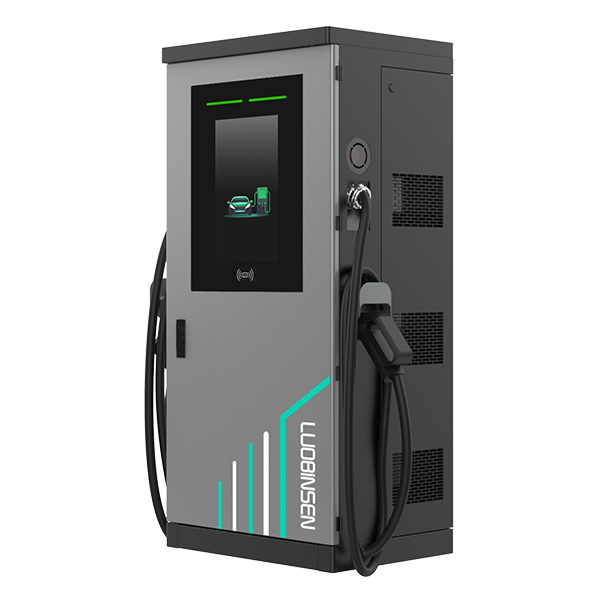
I want to know: how do we make a charging hub that works for real life, not just on paper? I say this with a simple aim — to lift the curtain a little, show the nuts and bolts, and ask the practical questions we all dodge. My tone is plain but a little lyrical; think of a hillside path that winds to a good answer. Let’s move from the scene into where the trouble really sits.
Deep dive: Why traditional systems trip up (and where users hurt)
What’s failing under the hood?
Right up front: high power ev charger systems often promise speed and simplicity, but when I look closer I see recurring design flaws. Many setups rely on old-school power converters that run hot, lack granular load balancing, and struggle with grid synchronization during peak demand. This creates slow charge cycles and inconsistent user experiences — and yes, long lines form again. Look, it’s simpler than you think: poor thermal management plus weak software orchestration equals unhappy drivers.
From my experience, hidden user pain points include unpredictable availability, unclear billing, and confusing user interfaces on the charger itself. I’ve watched drivers circle for twenty minutes because a station showed “available” while a stalled session occupied the port. Technically, these failures tie back to inadequate edge computing nodes and flimsy battery management system integration in the station. The result is operational churn — higher maintenance calls, repeated firmware patches, and frustrated fleet managers. — funny how that works, right? We need to fix both hardware (better isolation transformers, stronger thermal paths) and software (real-time session tracking, clear UI prompts).
Future outlook: case examples and choosing the right path
What’s next for charging hubs?
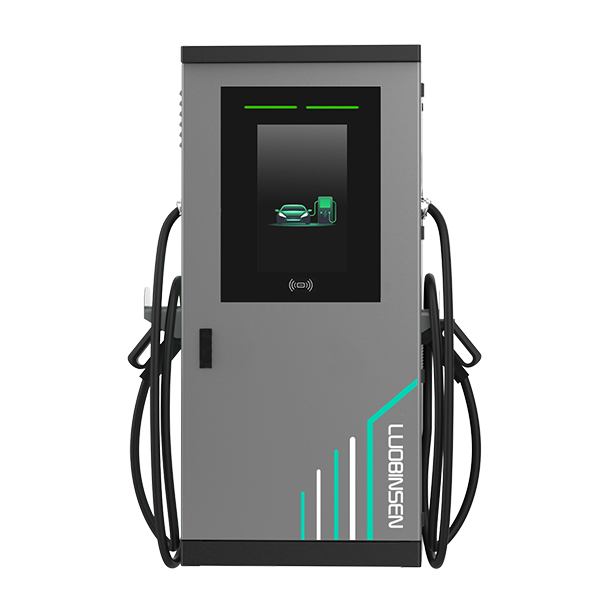
Looking forward, I’m optimistic. New pilots show that combining smart power electronics with clearer user flows cuts downtime. For example, a depot that tried a modular 200kw charger layout saw session times drop and queue length halve in the first month. The modular approach (scalable racks, standardized maintenance modules) reduces single points of failure and makes upgrades easier. We should be comparing real metrics — not marketing copy — when we judge a solution.
So, how do you evaluate options? I recommend three core metrics: uptime percentage under load, mean time to repair (MTTR), and session-handling efficiency (how many concurrent sessions the system can reliably manage). These metrics tell you whether the vendor thought about thermal management, grid synchronization, and software orchestration — the things that matter in daily use. I’m not being coy: measure these, demand evidence, and insist on clear SLAs. In closing, if you want a partner who builds practical, tested solutions, consider what a brand like Luobisnen can offer — they focus on realistic deployment and service.