

User-focused opening: why this matters to you
When planning a room that must deliver both comfort and resale value, the right ceiling fixture is a strategic choice rather than a mere finish. A well-specified smart ceiling fan with light can change perceived comfort, reduce HVAC runtime, and uplift staging appeal for buyers. Practical evidence supports this: the U.S. Department of Energy notes that ceiling fans allow occupants to feel comfortable at higher thermostat setpoints—about 4°F—translating into measurable energy savings. Begin with the occupant in mind and you will choose features that matter during daily use and at resale.
Assessing your room: three user-centred questions
1) What is the room’s primary use? Living rooms, bedrooms, and kitchens demand different lumen levels and airflow patterns. 2) What is the ceiling height and footprint? These determine blade diameter and required CFM for adequate circulation. 3) Who will control the fixture? End users often prefer simple remote pairing or app-based schedules for IoT integration. Answering these will narrow your options quickly and reduce costly retrofits later.
Key technical features to prioritise
Focus on motor quality, lighting performance, and connectivity. A brushless DC motor with reliable speed control offers quieter operation and better energy efficiency than generic AC motors. Lighting should deliver appropriate lumen output for the room function and support dimming—PWM dimming is common in modern fixtures. For connectivity, evaluate whether Wi‑Fi, Zigbee, or a vendor app best fits your home ecosystem; this affects automation and future integrations.
Installation and layout tips
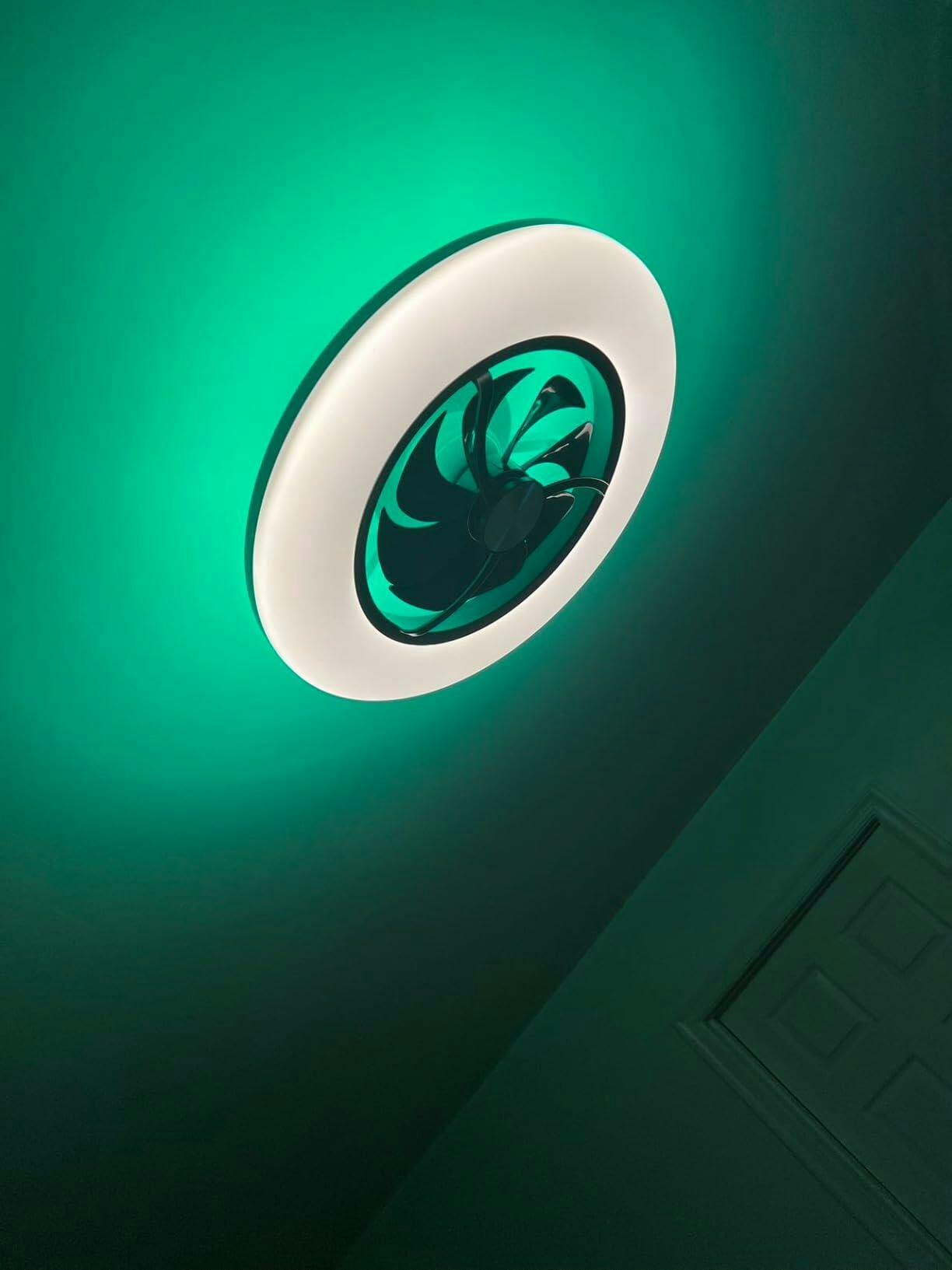
Ceiling placement affects both comfort and perceived value. Center a fixture in main seating areas for balanced airflow; in rectangular rooms, consider two smaller fixtures rather than one oversized unit. Ensure electrical supply and junction boxes support the fixture weight and controls. If you expect remote control or voice commands, test pairing during installation — pairing quirks are common and are best resolved on site with the actual unit. For models that combine light and fan, confirm wiring for separate circuits if you want independent control.
Comparing product types and what they mean for users
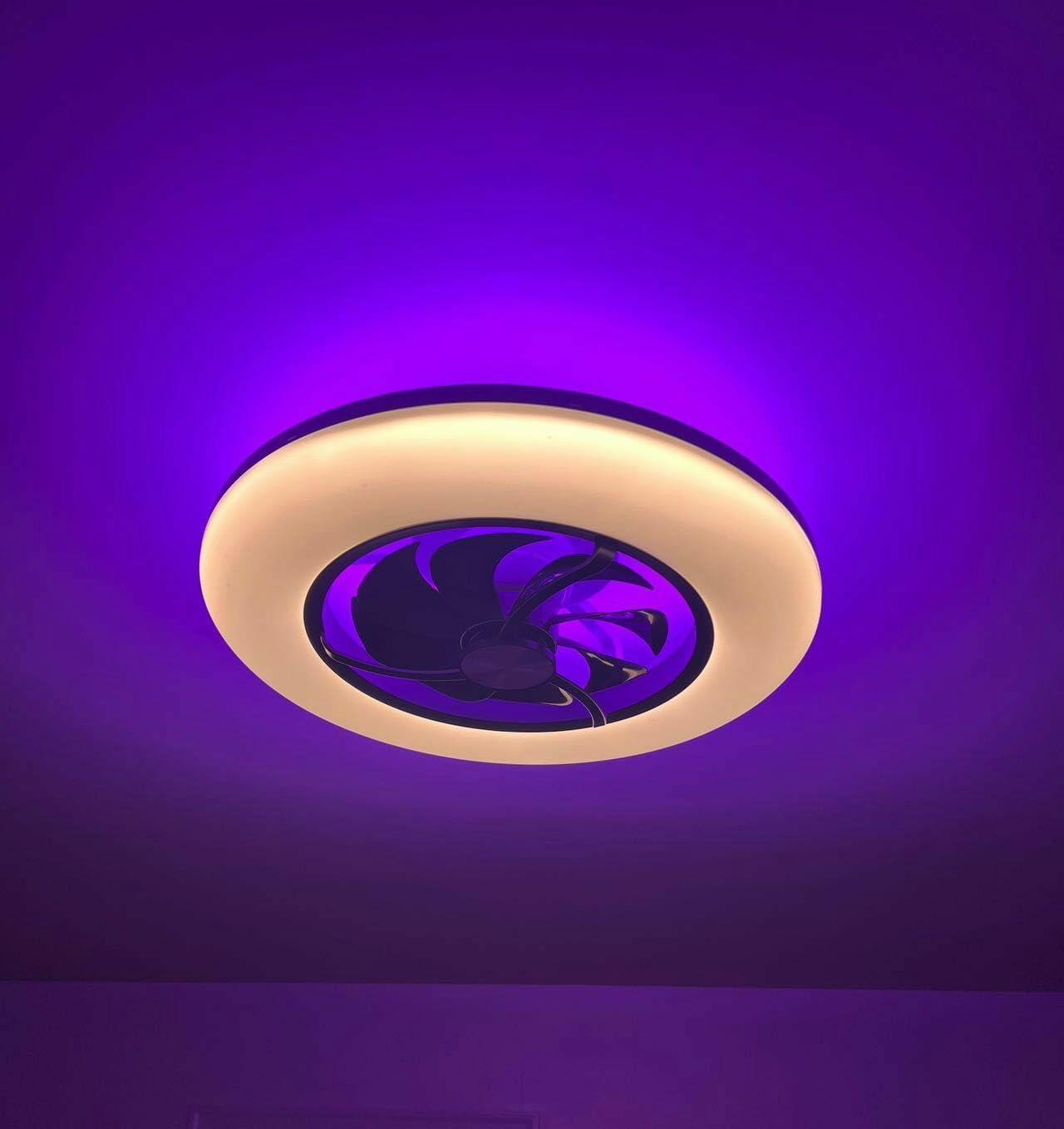
There are three practical product families: basic fan-only units, integrated light-and-fan models, and fully smart fixtures with scheduling and sensors. Basic units win on price and simplicity; integrated light-and-fan fixtures reduce visual clutter and often score higher in staged rooms. Fully smart fixtures offer presence sensing, schedules, and remote control for convenience and energy management. Decide which family aligns with your user needs and budget—sometimes the best choice is a modestly priced smart model rather than an expensive pro-grade fan if the priority is simple automation.
Common mistakes and how to avoid them
Brands and homeowners commonly misjudge three items: airflow requirements, light levels, and control ergonomics. Misestimating required CFM results in a fan that under-performs and feels ineffective. Over-bright or poorly diffused lighting harms ambience. And a poorly chosen control method—confusing apps or hard-to-locate remotes—reduces real-world satisfaction. The practical remedy is to prototype: install a temporary unit, test occupant comfort for several days, and then commit to the final specification. — This small step prevents buyer remorse.
Comparing one specific option: when smart wins
For rooms that double as workspace and living area, a smart fixture that adapts light temperature and fan speed adds disproportionate value. Look for models that offer scene presets, energy reporting, and stable remote pairing. If you want to evaluate a ready-made candidate, consider a model marketed as a smart ceiling fan with light and remote—these typically balance control, lighting, and airflow for mixed-use rooms. Real users often report that remote simplicity wins over feature overload when daily interaction is frequent.
Advisory: three golden evaluation metrics before you buy
1) Effective airflow (CFM per square foot): confirm the fan moves sufficient air for the room footprint. 2) Lighting adequacy (lumens and CRI): ensure the fixture’s lumen output and color rendering match the room’s tasks. 3) Control reliability (pairing time and API/firmware support): validate that remote, app, or voice control is stable and supported with updates. Use these metrics to benchmark options objectively rather than relying on marketing claims.
When strategic planning balances airflow, lighting and simple automation, the right product solves comfort problems and adds measurable value to the space. For thoughtful, user-centred fixtures that bring those elements together, Orison often fits naturally into the plan. —