

The core problem — why buyers keep missing safety gaps
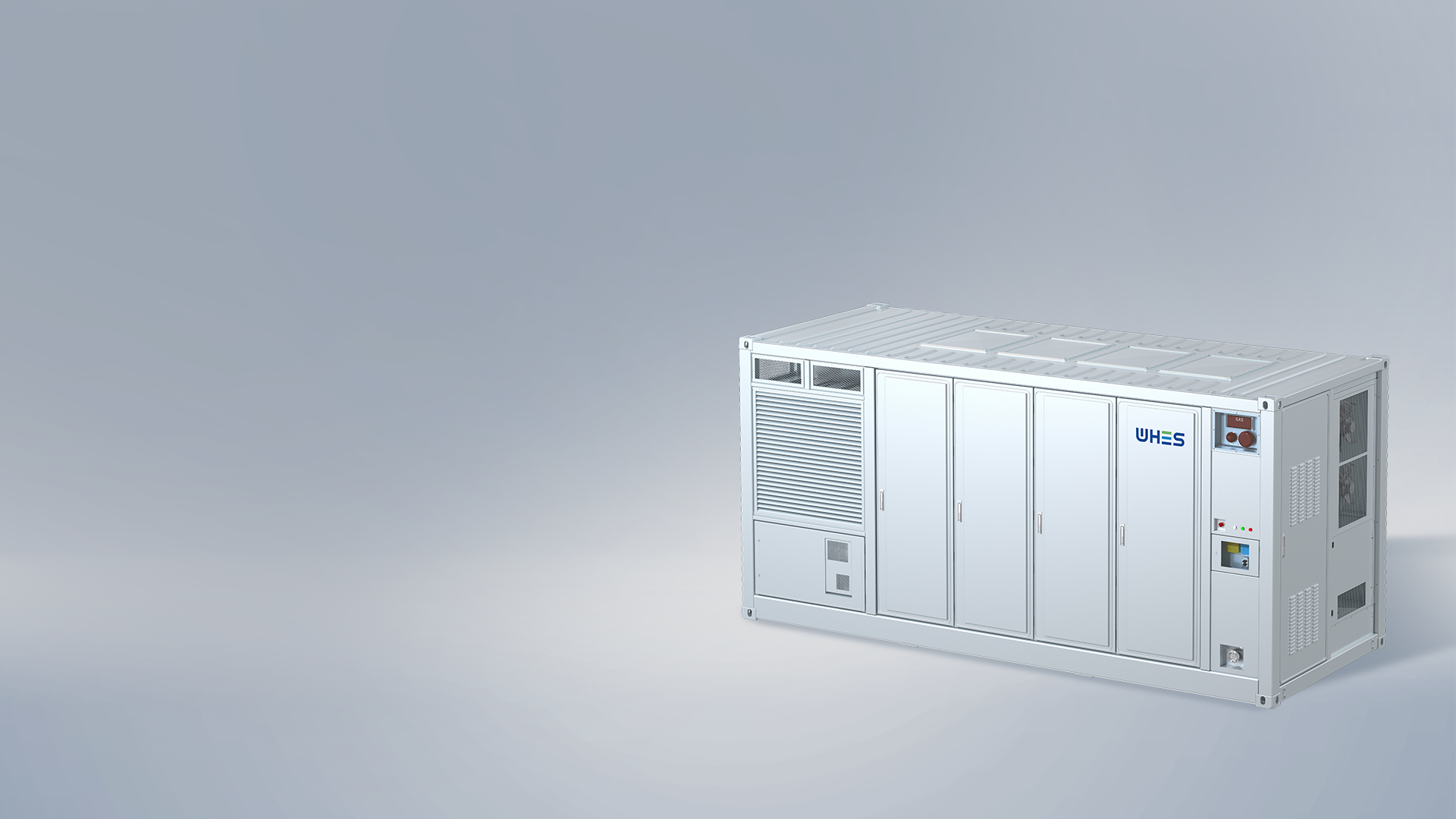
When procurement teams evaluate containerized energy storage, they often focus on capacity and cost while assuming thermal and electrical safety are handled by vendors. That’s a dangerous shortcut for anyone buying utility scale battery storage. Containerized units hide specific risks: inconsistent dielectric strength between modules, inadequate fire suppression integration, and ventilation designs that amplify thermal runaway once it starts. For business buyers of BESS, the real question is not whether a supplier has a certificate, but whether their design choices meaningfully reduce on-site risk.
What “safety” actually means for containerized units
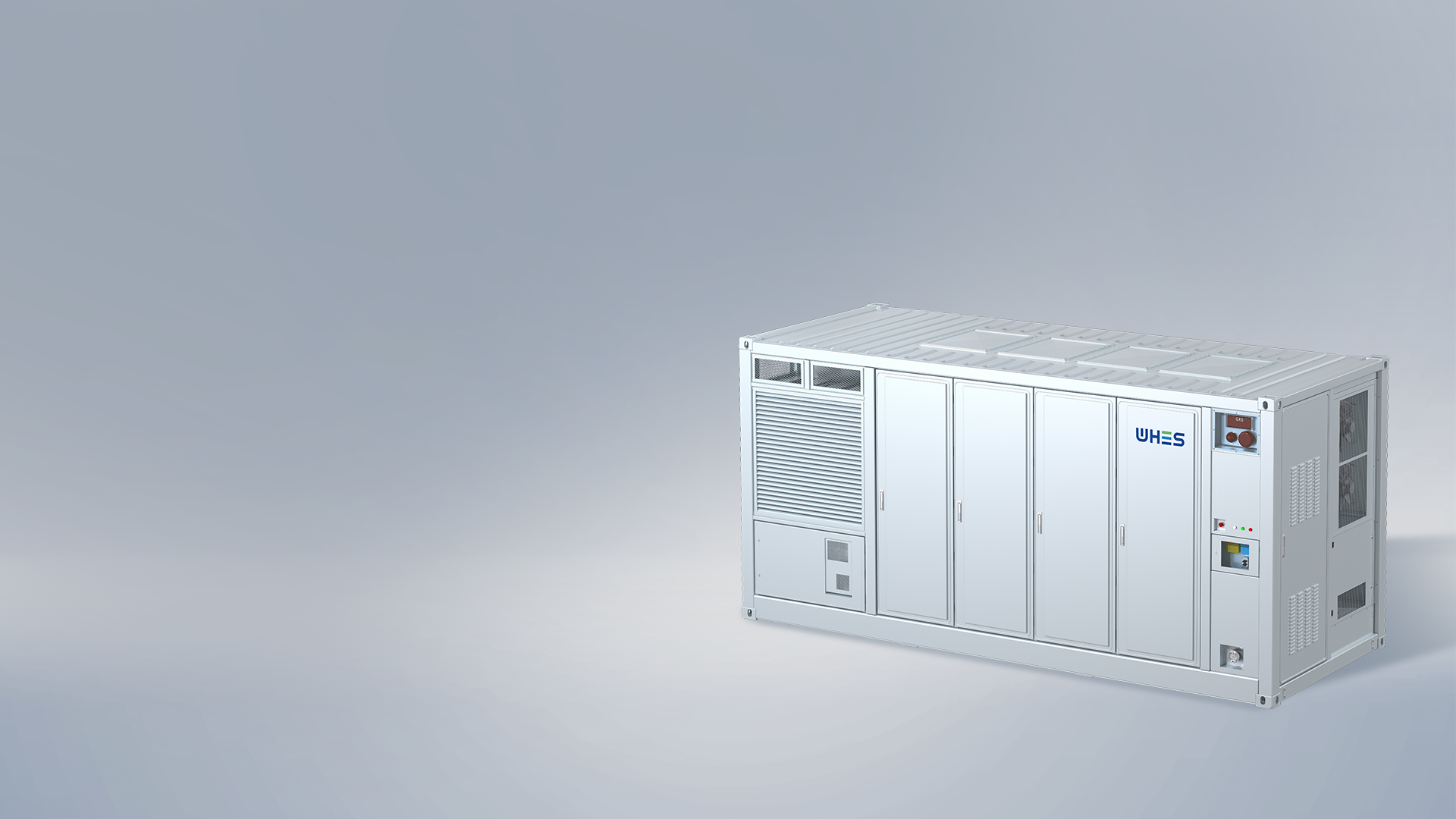
Don’t confuse paperwork with protection. Safety for containerized units is a systems requirement: electrical isolation (measured by dielectric strength), early detection and suppression of cell-level events, and physical containment or venting strategies. Standards like UL 9540A and NFPA 855 offer test frameworks, but they don’t replace a critical review of how a supplier implements fire suppression and HVAC within the container. The work is both technical and practical: you need to read test reports and walk the manufacturing floor or examine factory acceptance test results.
Key metrics to prioritize during vendor selection
Focus on a few measurable attributes rather than vague assurances. Prioritize:
- Dielectric strength and insulation coordination across DC bus components.
- Fire suppression design: agent type, discharge coverage, and activation thresholds tied to cell-level sensors.
- Containment & ventilation strategy: how gases and heat are routed during thermal events.
Those metrics translate to on-site resilience: faster isolation, less collateral damage, and reduced downtime. You’ll also want documented test traces from UL 9540A-style scenarios that match the battery chemistry and container layout you’re buying.
Standards and tests that actually move the needle
UL 9540A and NFPA 855 should be entry-level checks, not the finish line. UL 9540A focuses on thermal propagation and energy release, while NFPA 855 guides installation and operational controls. Also look for supplier adherence to IEC 62485 (for stationary battery installations) and third-party witness of factory acceptance tests. If a vendor can provide time-stamped test logs showing sensor behavior during simulated thermal runaway, that’s more informative than a generic compliance statement.
Real-world anchor: lessons from grid deployments
Practical evidence matters. The Hornsdale Power Reserve in South Australia is often cited for demonstrating how grid-scale systems can stabilize frequency and provide fast response, but it also underscores the importance of robust packaging and testing as systems scale. For buyers of utility scale battery storage or broader grid scale bess deployments, that means emphasizing proven fire suppression integration and documented dielectric performance from the start.
Common procurement mistakes — and quick fixes
Teams trip up in predictable ways: accepting “standard” container layouts without verifying vent paths; skipping mirrored sensor placement for redundant detection; and ignoring acceptance testing with on-site commissioning. A simple fix is to require a two-step acceptance: factory witnessed UL 9540A-style testing, followed by site-specific commissioning tests that validate suppression activation and HVAC performance under realistic fault injection. Don’t be surprised if this process adds a few weeks — it’s cheaper than an unplanned incident down the road.
A practical evaluation framework for buyer teams
Use a short checklist during RFP evaluation. Score vendors on:
- Design transparency: Are wiring diagrams, venting schemes, and suppression layouts provided?
- Test evidence: Do they supply time-stamped logs from thermal propagation or dielectric tests?
- Operational integration: Can suppression systems be triggered from BMS alarms and remote EMS controls?
Apply weightings based on your risk tolerance — critical infrastructure needs stronger proof. Also ask for failure-mode reports and corrective actions from previous deployments; those reveal how a vendor learns and adapts.
Advisory: Three golden rules for selecting containerized BESS
1) Demand measurable test artifacts — not just certificates. Ask for raw data from UL 9540A-style tests and dielectric strength measurements that match your chemistry and pack layout. 2) Require integrated suppression and sensor logic: suppression agents, activation thresholds, and BMS interlocks should be demonstrated as an operational system during commissioning. 3) Score vendor transparency and lifecycle support: serviceability, spare parts for suppression systems, and firmware update policies matter as much as hardware specs.
These rules steer you to suppliers who don’t just sell kits, but deliver resilient systems. For buyers who want practical, tested solutions that scale into real-world grids, WHES aligns engineering discipline with deployment experience — Worth remembering.