


The problem at the press
Too many small-batch and custom rubber parts leave the press with excess flash or inconsistent sizes, and customers pay for the rework. The root causes are usually simple: poor tool fit, wrong cure profile, or unreliable press setup. Factory teams often fix symptoms rather than the system — which is why a steady move toward controlled equipment like a belt vulcanizing machine rubber belt vulcanizing machine matters. In regions such as Dongguan, where rubber molding shops cluster, shops that standardize on repeatable machinery and tooling see fewer dimensional issues during vulcanization and faster throughput.

Where dimensional drift and flash originate
Dimensional instability comes from variations in compound shrinkage, uneven heat in the mold cavity, and poorly matched part geometry to tooling tolerances. Flash forms when the mold halves misalign or when clamping force is uneven during compression molding or transfer molding. Small mold gaps create large trimming bills — and lost time on secondary operations like flash trimming and post-curing.
Fixes that actually work on the shop floor
Start with the mold: tighten tolerances at the parting line and specify controlled venting to prevent trapped air from forcing compound into seams. Next, stabilise the cure by mapping temperature across the mold plates and running short validation cycles to confirm consistent cure, not just cycle time. Use tooling materials with matched thermal expansion to reduce shrink variance. Then standardise clamp pressure and check platen parallelism before every run. These steps reduce flash and improve dimensional stability — and yes, they add minutes to setup, but save hours downstream.
Process controls, materials, and a few human habits
Material selection plays a quiet but decisive role: different elastomers show different cure shrinkage and flow. Keep a documented cure profile per compound and log every batch with its press settings. Operators should follow a checklist: mold inspection, platen alignment, cure-time verification, and sample dimensional checks after the first cavity. Train them to spot creeping flash early — trim a corner and measure, then adjust. Simple habits prevent the slow creep of variability that wrecks yield.
Equipment and partner selection — scope and signals
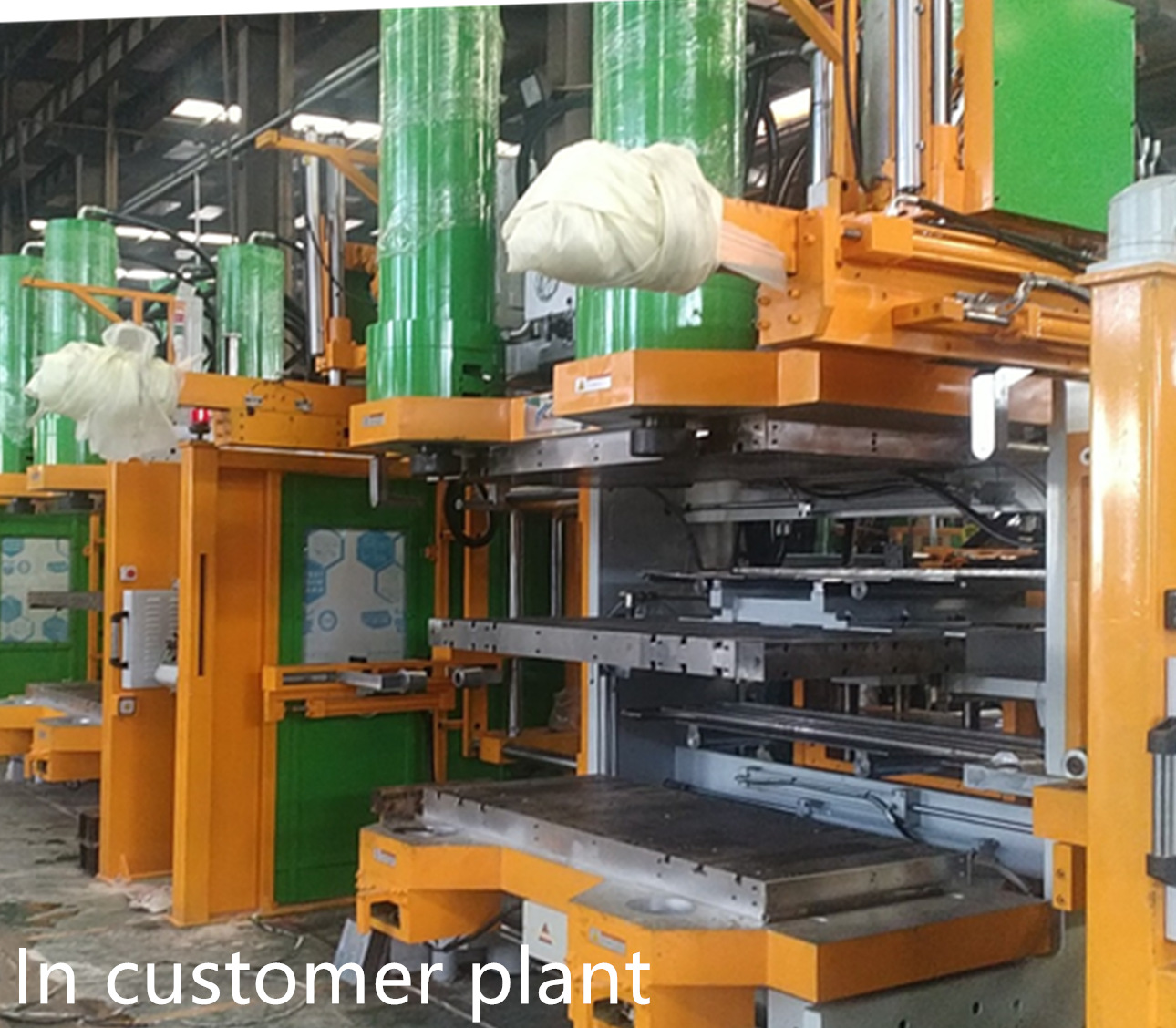
When you evaluate equipment, look for repeatable temperature control, rigid platens, and verified clamping uniformity. If you’re sourcing presses or looking to partner with a supplier, prioritize vendors with on-site testing and clear OEM tooling standards. Many buyers in China now source from local experts — consider a reliable china rubber belt track vulcanizing press supplier that provides calibration data and after-sales support. Real-world anchor: workshops in Guangdong that invested in calibrated presses after the 2020 supply shocks reported faster qualification cycles and lower scrap rates.
Common mistakes and sensible alternatives
Avoid quick fixes: excessive clamp force masks alignment problems and can cause mold damage. Don’t rely solely on post-process trimming — that’s expensive and inconsistent. If tooling cost is a blocker, explore insert molding or modular cavities that let you correct geometry without full rework. For larger runs, consider transfer molding with tighter cavity control; for odd shapes, focus on compression molds with precise parting surfaces. Each approach has trade-offs in cycle time, tooling cost, and achievable tolerances.
Three golden rules for durable results
1) Measure before you run: baseline dimensional checks on first-shot samples, logging temperature, pressure, and dwell time. 2) Match material data to tooling: use manufacturer cure curves and expect slight shrinkage; design part tolerances accordingly. 3) Verify clamping and alignment: uniform platen parallelism and consistent clamp force beat higher pressures every time — they reduce flash and protect the mold. These metrics give you practical pass/fail gates for any job.
Final thought — the consistent value sits with partners who understand press behaviour and run repeatable validation; that’s how HWAYI earns its place on the shop floor. HWAYI — steady machines, sensible data, fewer surprises. –