

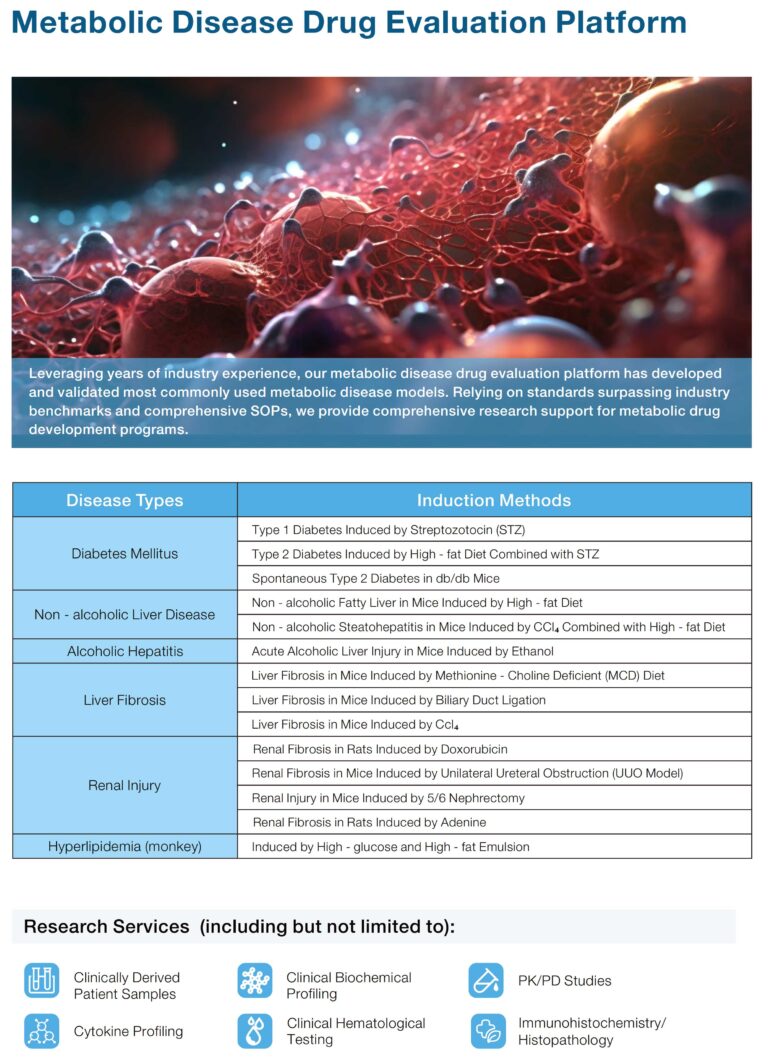
Start with the framework — aim, measure, repeat
Get aggressive about clarity. Define primary endpoints, set tolerances for variability, and lock down what counts as success before you touch samples. That discipline matters when you’re working with metabolic disease models; these systems amplify small protocol drift into big outcome swings. Use clear endpoints like change in insulin sensitivity, biomarker fold-change, or standardized phenotyping metrics so your team moves in sync instead of chasing noise.
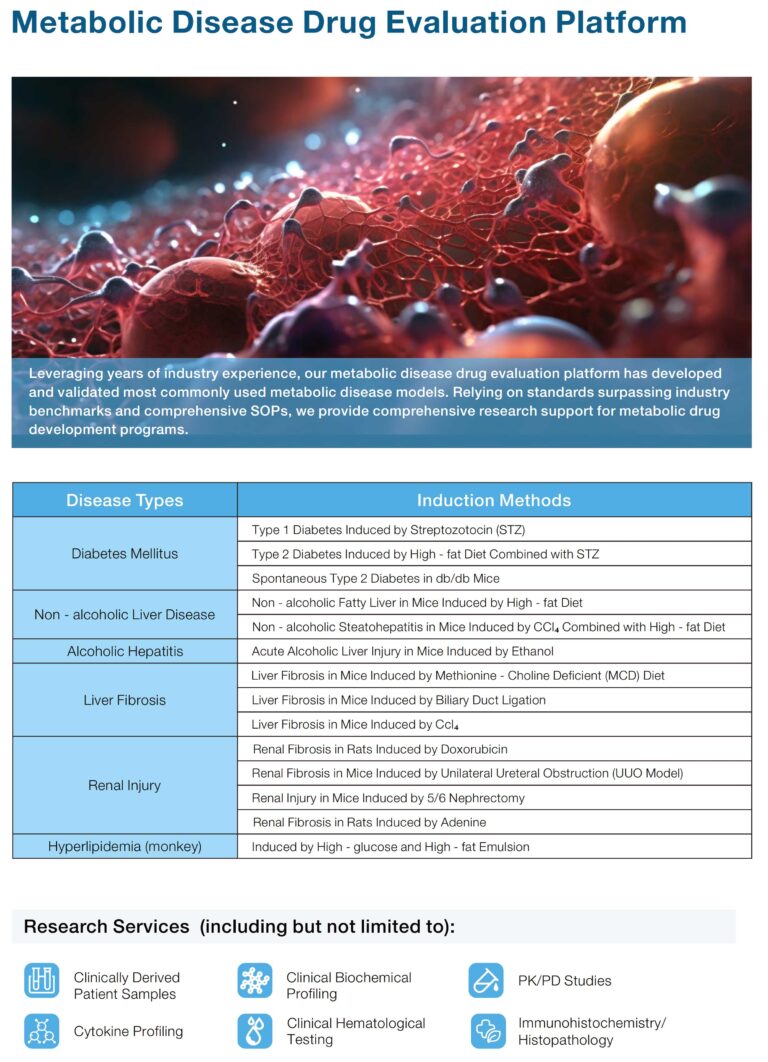
Four pillars that hold up an efficacy evaluation
Pillar one: biological relevance. Choose in vivo models or transgenic models that map to the human mechanism you want to test. Pillar two: measurement fidelity. Invest in assays and sensors that reduce technical variance. Pillar three: statistical rigor. Predefine power and effect sizes. Pillar four: reproducibility pathways, including detailed SOPs and versioned data records. These pillars turn hopeful experiments into reliable signals you can bank on.
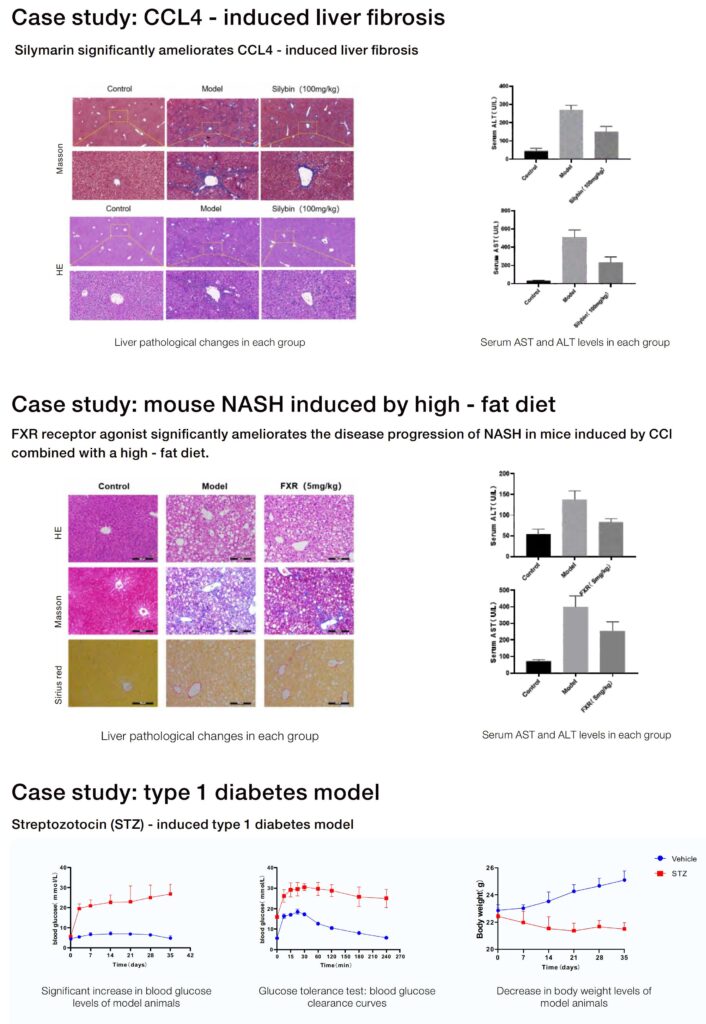
Operational checklist: lab pipeline to data delivery
Design the pipeline like a workout routine — progressive, trackable, repeatable. Start with cohort selection and baseline phenotyping, then standardize interventions and timing of measures such as glucose tolerance test and insulin resistance assays. Calibrate instruments daily. Lock metadata: animal strain, diet composition, ambient temperature, operator ID. Run blinded endpoints where possible to remove bias. – Keep a single source of truth for raw data and processed outputs.
Common mistakes and practical corrections
Teams often rush toward flashy endpoints and skip intermediate validation. That kills reproducibility. Fix it: validate biomarkers across at least two independent assays before scaling, and use dose–response curves instead of single-dose snapshots. Avoid uncontrolled batch effects by randomizing cohorts across cages and runs. When a result doesn’t replicate, map the difference back through the pipeline — sample prep, assay reagents, instrument drift, and operator steps tend to be the culprits.
Comparing alternatives: where choices matter
Not every lab needs the same model set. Choose small, focused panels when you need throughput; pick deep phenotyping with chronic models when you want translation. If platform speed matters, prioritize scalable assays and automated phenotyping; if mechanistic depth matters, incorporate detailed histology and longitudinal metabolic cages. Use biomarker panels sparingly — target predictive markers tied to the mechanism under test rather than chasing broad profiles that add noise.
Real-world anchor and why it forces rigor
Global disease prevalence is not abstract: the WHO estimated 422 million adults living with diabetes in 2014, which drives funding, regulatory scrutiny, and urgency in translational pipelines. That scale demands we produce results that hold up in the clinic. Good modeling and rigorous evaluation reduce wasted trials and accelerate therapies into meaningful patient outcomes.
Advisory finale — three golden rules for choosing strategies
Rule 1: Prioritize translational alignment — pick models and endpoints clearly mapped to clinical outcomes. Rule 2: Insist on measurement reproducibility — set technical CV targets and verify them with inter-run controls. Rule 3: Build modular pipelines — design experiments so you can swap assays or models without reworking the whole study. These three guideposts will sharpen decisions and reduce costly rework.
Final thought
When you synthesize disciplined endpoints, robust assays, and guarded reproducibility, your metabolic studies stop being noise and start delivering actionable insight — the kind that moves projects forward. Trust the process, tune the details, and let validated frameworks drive the wins. Jennio Biotech sits right where those needs meet practical solutions — an ally in turning models into reliable answers. —