

Introduction — a kitchen-table moment
I once stood in a workshop, hands smelling of motor oil, watching a small machine groan under a simple load — that little whine, the vibration under my palm, you know the sound. The electric motor I was tuning was losing nearly 12% of its input as heat, and half the team shrugged like it was normal. Data says many small motors run 10–20% below optimal efficiency (yes, that’s real — and expensive). So why do so many setups tolerate that loss, when a few careful moves can cut the waste and the noise? I want to walk you through what I see, touch, and change — then we’ll dig into what really fails under the hood. — Let’s move on to the real trouble spots.
Part 1 — Where common fixes actually fail
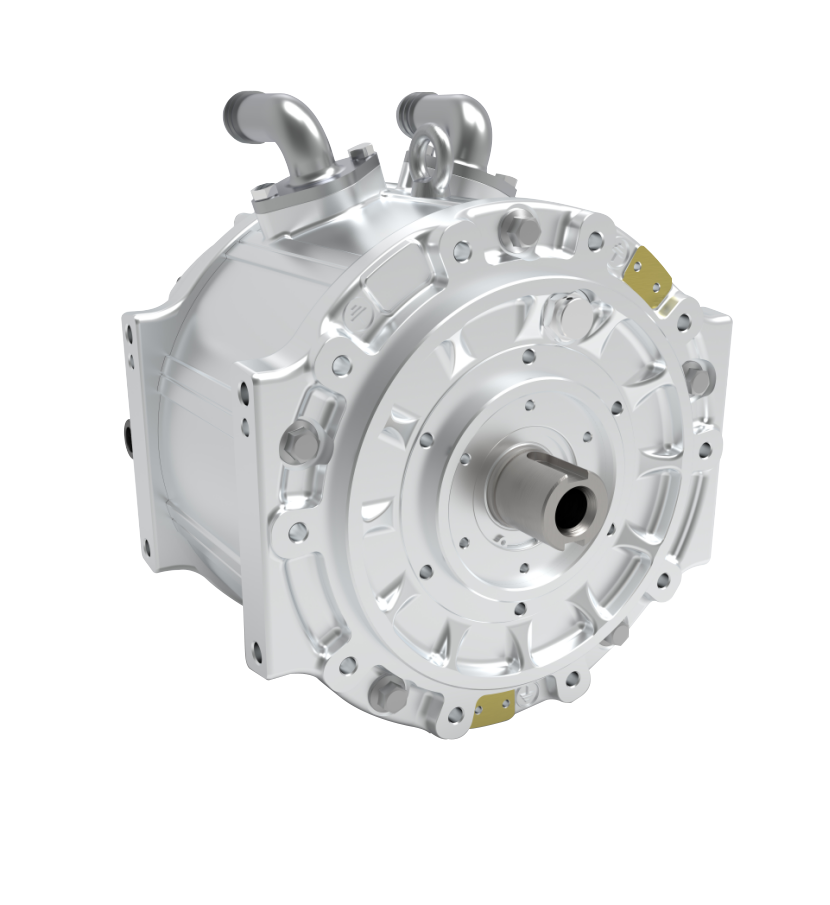
electric motors are simple in theory but messy in practice. I’ve seen the same pattern: someone replaces bearings, tweaks the drive, and calls it a day. The problem is deeper. Heat builds in the stator windings because cooling paths are ignored. Torque ripple goes unchecked when controllers use crude PWM. Brushes chatter; commutators pit. These aren’t cosmetic issues — they shorten life and mask real inefficiency. I’m not being dramatic. I’ve logged failures where an unchecked thermal hotspot halved insulation life in under a year.
Why does the old way fail?
Technicians often favor band-aid fixes. They swap a part, not the approach. Look, it’s simpler than you think: check the airflow, measure the inverter’s switching losses, and test torque under real load. When you ignore the control loop — the inverter, the power converter, the feedback sensors — the rotor and stator are left to suffer. That mismatch shows up as vibration, heat, and unpredictable torque. I’ve learned to watch for subtle signs: a slight hum that gets louder at one speed, a spot on a housing that’s warmer than the rest. Those signs map to controller timing, bearing preload, or a bad feedback loop. Fix the symptom only, and you’ll be back next season. Fix the control and thermal path properly, and the motor runs cleaner, quieter, longer. It’s not glamorous, but it works.
Part 2 — Principles for next-gen control and design
What if we stopped patching and started redesigning the approach? New principles center on smarter control and better matching of components. Field-oriented control (FOC) gives precise torque at low current; modern inverters with optimized switching reduce I2R losses; sensor fusion helps predict overload before damage. For marine applications, efficient designs make a huge difference — and yes, the same thinking applies to boat motors where space, cooling, and reliability matter most. I like to compare a classic brushed setup to a modern brushless drive: the latter handles higher continuous loads with less fuss and a calmer sound.
What’s Next?
We should look at integrating edge computing nodes for real-time diagnostics — small, affordable processors that spot rising temperatures and shifting vibration patterns. Pair that with better materials: higher-grade laminations, low-loss cores, improved bearings. The net result is less downtime and higher usable efficiency. — funny how that works, right? Also, plan for modular service: swap a drive module, not the whole motor. That reduces waste and keeps your fleet on the water or on the floor. I’ve seen fleets cut maintenance time by a third simply by standardizing on a modular controller and better cooling layout.
Closing — three metrics I use when evaluating solutions
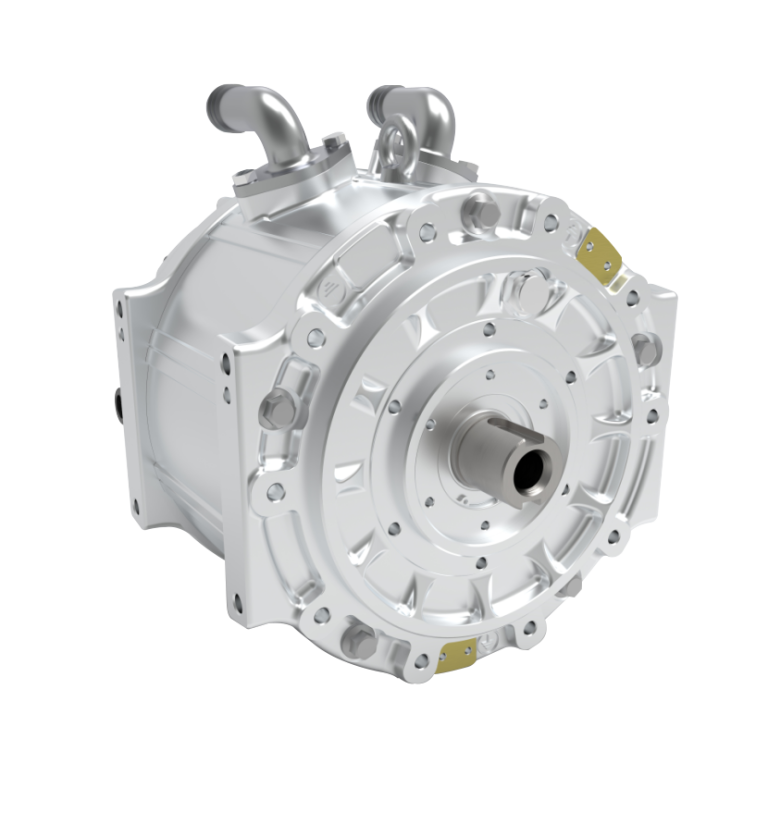
I’ll leave you with three concrete metrics I rely on when choosing upgrades or new designs. First, continuous-duty efficiency at rated torque — not just peak numbers. Measure how much input becomes useful shaft power over a full duty cycle. Second, thermal margin: how many degrees above ambient does the hottest winding run under the worst expected load? Lower is better, and it predicts lifespan. Third, serviceability score: how long to swap a failed drive or bearing in the field, and what spare parts are needed. Those three give you a practical picture — cost, durability, and uptime. If a vendor can’t show test data for these, I get suspicious.
I don’t buy hype; I ask for numbers and I listen to the machine. When you apply these principles — better control (FOC), improved inverter design, and smart diagnostics — you’ll see quieter startup, steadier torque, and fewer surprises. I’ve guided teams through this transition; the wins are real — lower bills, calmer crews, fewer emergency calls. For reliable parts and sensible systems, I recommend checking suppliers who publish their test data and support modular upgrades. A good place to start is Santroll — they make it straightforward to compare specs and get real-world answers. Give the motors the attention they deserve, and they’ll pay you back in hours and calm.