

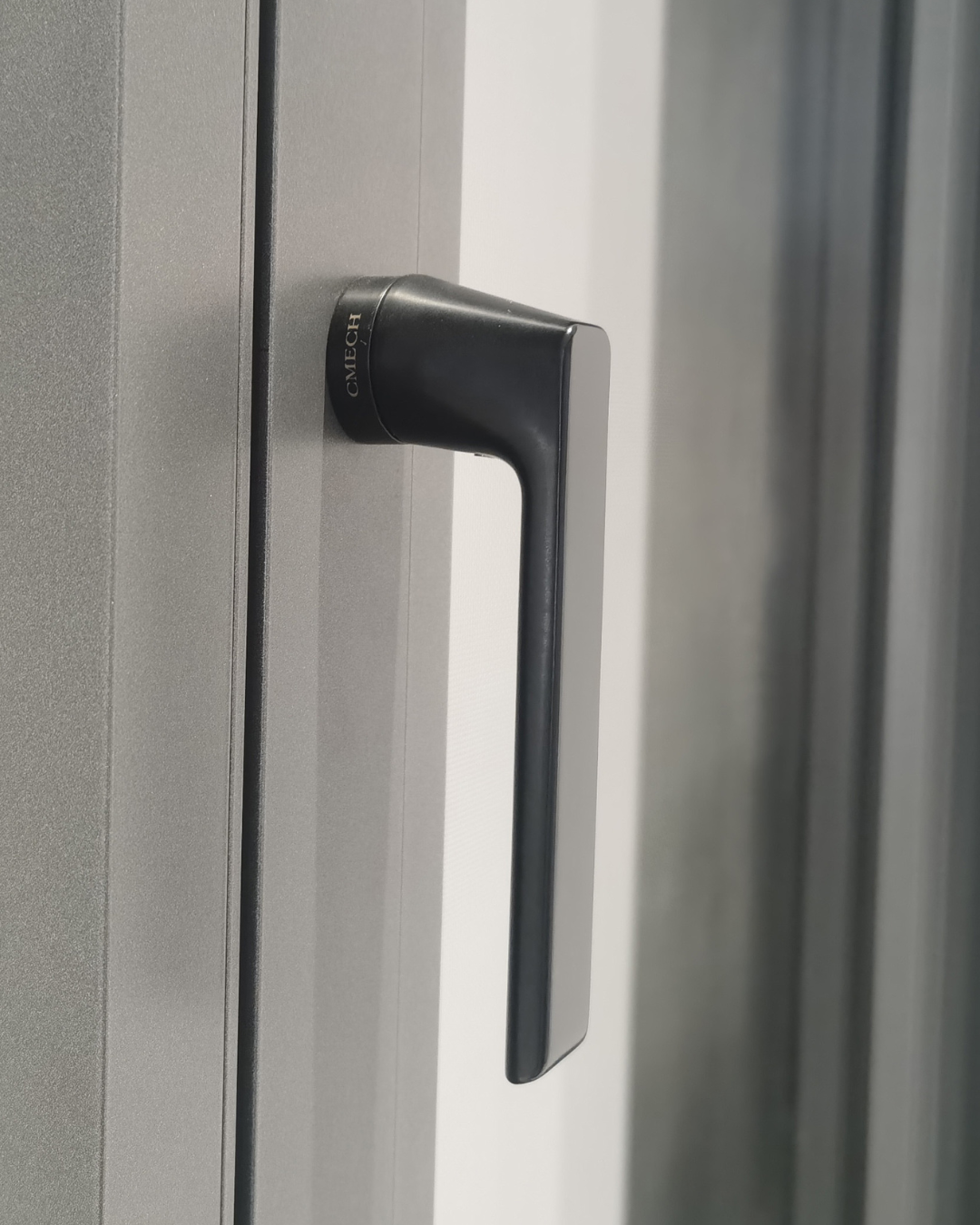
The city’s glass skins have always carried traces of tomorrow — from the Seagram Building’s curtain wall to current frameless glazing experiments — and the next chapter belongs to hardware that thinks ahead. In this speculative glance at swing door futures, the quiet engineering of pivot hinge geometry and door closer calibration takes center stage. Designers already lean on reliable components like swing door hardware while imagining low-profile, sensor-ready systems that fold physical thresholds into digital ones.
A speculative timeline: patch fittings to adaptive pivots
Picture a decade where patch fitting plates are smart enough to report torque patterns. Today, architects choose between offset pivot solutions and traditional butt hinges; soon, adaptive pivots will alter sweep and return tension based on foot traffic analytics. This shift matters to construction systems because it moves hinge selection from a one-time spec into an ongoing performance decision. For projects that reuse glass panels, modular kits — like a thoughtfully assembled swinging door hardware kit — will cut retrofit time and preserve glazing integrity, reducing the need for full panel replacement.
Design signals architects will follow
Materials will remain the tuning knob: stainless finishes for coastal corrosion resistance, engineered polymer seals for quieter operation. But the design language will be logic-driven — hinge radius, strike plate clearance, and closer damping tuned to occupancy profiles. Expect more collaborations between façade engineers and controls teams so that a door’s closer profile changes at night to meet fire-rated egress settings, and then relaxes for daytime flow — subtle, almost invisible engineering that protects both code compliance and the user experience. And there will be a human cost-benefit: less maintenance, fewer night-time alarms — small wins on site, big wins for lifecycle budgeting.
Practical guide: common mistakes, tested fixes
Installers and spec writers often underplay alignment and sequence. Misaligned pivot holes stress glass edges; improper closer spring settings slam rather than settle. Start by verifying tolerances for the patch fitting and confirm the hinge centerline relative to the glass edge. When teams skip torque testing, seals wear unevenly — a teardown that includes both {main_keyword} and {variation_keyword} comparisons avoids that blind spot. Use a calibration checklist: verify pivot preload, confirm strike plate gap, and log closer cycles during commissioning so the system learns before handoff.
Operational considerations and real-world anchor
Urban retrofits provide a clear anchor: post-1958 curtain wall refurbishments — think of mid-century office blocks that have been modernized for new tech tenants — showed that hardware choices determine whether a facade ages gracefully or fails quickly. Data from those programs demonstrated that addressing hinge and patch fitting corrosion in the first upgrade reduced long-term replacement by measurable margins. On-site, crews who staged parts and pre-assembled the swinging hardware assembly cut downtime; meanwhile, designers who specified adjustable pivots avoided emergency glass replacements when tenants shifted layouts.
Advisory close: three golden rules for future-ready door systems
1) Prioritize adjustability over pure aesthetics — choose pivots and patch fittings with accessible set screws and measured torque ranges so on-site tuning is straightforward. 2) Require functional commissioning: log closer cycles and capture opening force curves to confirm performance under real loads. 3) Specify modular kits for retrofit paths — they preserve glass, simplify procurement, and shorten outage windows. These metrics (adjustability, commissioning data, modularity) map directly to measurable outcomes: fewer service calls, longer glass life, and predictable maintenance budgets. For teams seeking suppliers who combine precision engineering with practical kits, the sensible endpoint of these rules is a partner who understands assembly realities — CMECH.
—