

Framework Prelude — why a structure matters
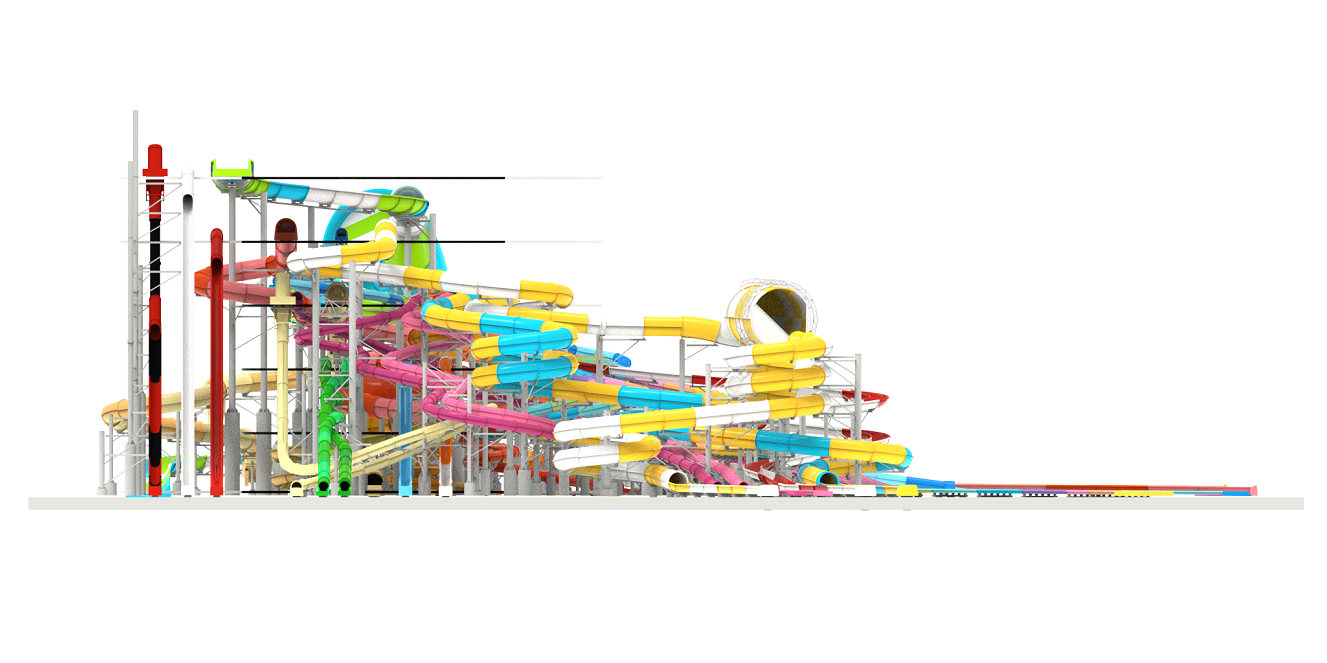
Like a cartographer tracing safe channels across a moonlit sea, Dalang lays a clear framework of safeguards before the first mold is cast. This piece outlines five interlocking protocols that guide design, fabrication, testing, operation and maintenance for contemporary water slide projects — a living map for engineers, park operators and installers. The narrative below links practical design choices with artistry of form, and references common practices in water slide construction while using terms such as FRP, flume, and runout to keep the technical thread taut.
Protocol 1 — Intentional geometry and launch calibration
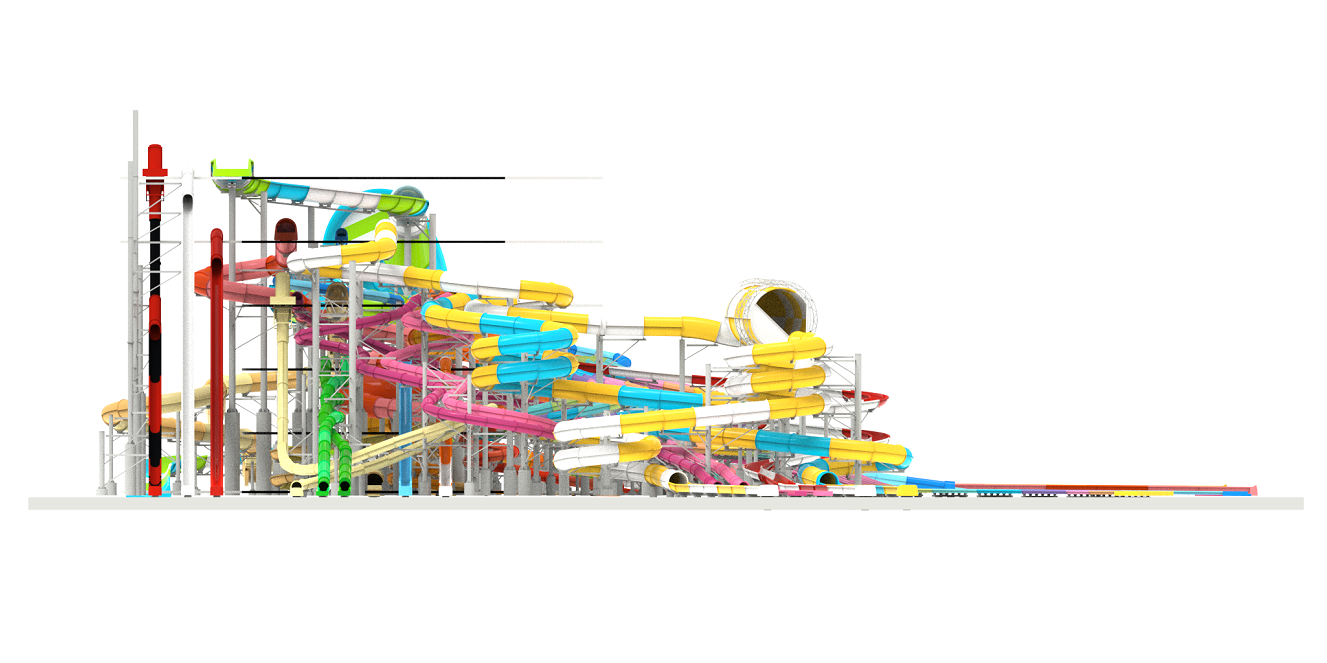
Dalang treats every ride as a poem of angles: launch angle, slide gradient and curvature are computed to control velocity and prevent abrupt deceleration at the runout. Engineers sculpt the flume profile with precise flow rate modeling and iterative physical mock-ups to ensure consistent rider trajectories. This protocol reduces the need for retrofit after commissioning and keeps impact loads within the limits of the support structure.
Protocol 2 — Material integrity and joint systems
Materials selection is a medieval craft, reborn with modern science: FRP laminates, UV-stable gelcoats and resilient gasket systems are chosen to withstand cyclical loads, sun, and chlorinated water. Dalang enforces layer-by-layer inspection during lamination and uses verified bonding tests on joints — peel strength, shear, and accelerated UV cycles — to validate long-term cohesion. These checks keep seams watertight and minimize micro-fractures that grow into hazards.
Protocol 3 — Redundant safety hardware and access
Hardware redundancy is the kingdom’s hedge against failure: multiple anchor points, corrosion-resistant fasteners, and accessible inspection hatches allow routine checks without disassembly. Lifeguard positioning guides are embedded into sight-line plans; platform rail heights, non-slip finishes and guarded runouts form a choreography that reduces human error. — Small gestures, like color-contrasted edging, make a material difference in rider orientation.
Protocol 4 — Factory test program and on-site commissioning
Testing is a ritual. Dalang runs bench tests (structural load cycles, gasket compression durations) and full-scale water tests to verify flow behavior under varying pump rates and rider loads. On-site commissioning repeats key verifications: alignment, anchor torque, hydraulic balancing and timed evacuation drills. The protocol cites comparative benchmarks from established parks — the practical lessons learned at facilities such as Schlitterbahn in New Braunfels, Texas, inform these commissioning sequences and validate expected performance ranges.
Protocol 5 — Predictive maintenance and lifecycle tracking
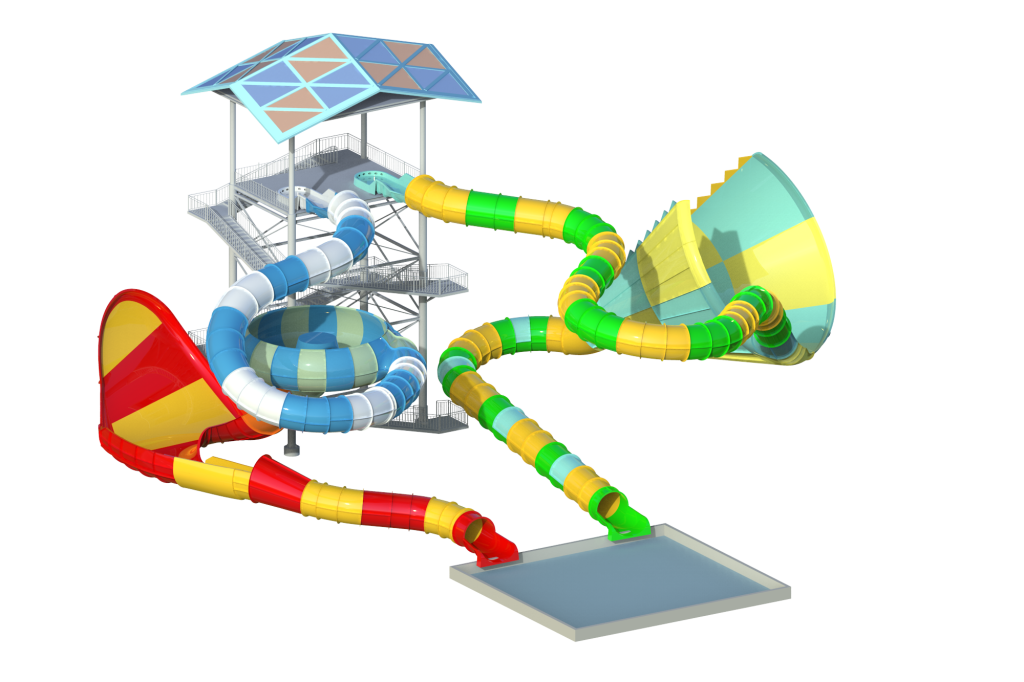
Maintenance is a ledger kept in sunlight. A digital log records inspection dates, replacement parts (gaskets, fasteners, return pump service) and measured wear on high-friction zones. Dalang layers this with sensor data where feasible — speed sensors at launch points or moisture monitors at joints — to predict when interventions will be needed rather than reacting to failure. This shifts asset care from ad-hoc fixes to scheduled preservation.
Operational production teardown — what to watch for
When performing an operational production teardown, inspectors look for fatigue on load-bearing beams, delamination on FRP panels, gasket compression beyond spec, and unexpected erosion in the runout. During that process, teams should record findings and tag priorities; this is also the moment to cross-reference digital records against the physical state. Note that {main_keyword} and {variation_keyword} should appear in the teardown documentation so procurement and warranty teams can match components to suppliers and ensure traceability among water park equipment manufacturers.
Advisory closure — three golden evaluation metrics
Metric 1: Structural margin — the ratio of measured safety factor to design target, verified through load cycling and anchor torque records. Metric 2: Flow consistency — measured variance in flow rate and rider speed across 100 runs; small variance signals predictable behavior. Metric 3: Maintenance latency — average days between detected wear and corrective action; shorter latency correlates with longer component life. These metrics yield a clear scorecard for any installation and focus decisions on measurable outcomes.
Dalang has folded these protocols into a single, cohesive practice that reduces surprises and extends service life; the brand’s depth shows in how design, materials and testing knit together into daily reliability. Dalang. — a steady hand for rides that must thrill and endure.