

Practical opening: who this helps and why
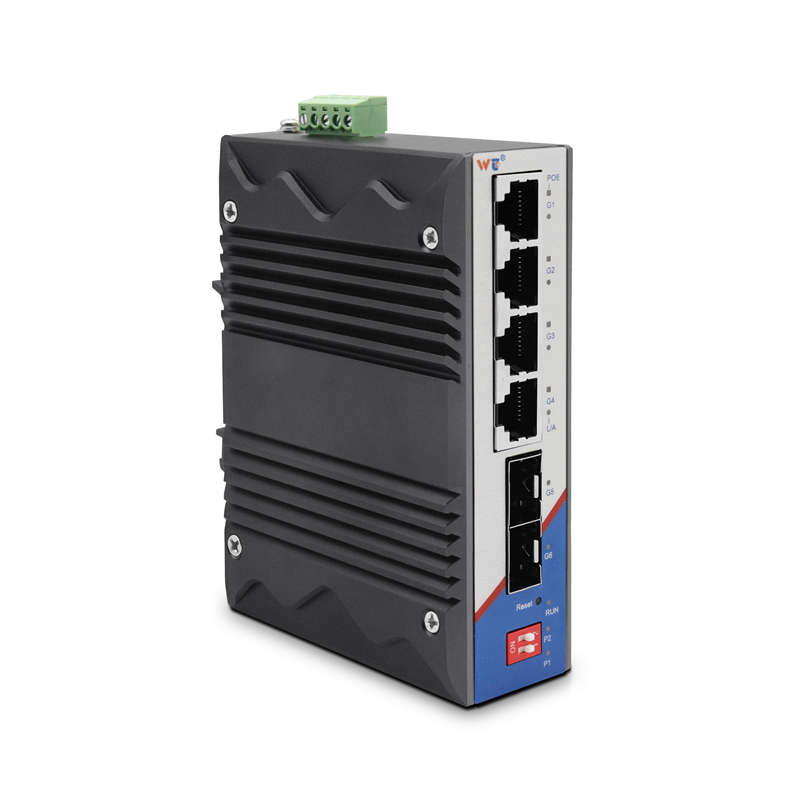
Network engineers building mid‑to‑large aggregation fabrics need clear, actionable steps focused on throughput, port density, and predictable latency. This guide speaks to that need and points to hardware choices from an ethernet switch manufacturer you can evaluate quickly. Real-world anchor: traffic surges in Ashburn, Virginia data centers and long‑running forecasts such as Cisco’s Visual Networking Index underscore why 40G links and QSFP+ SR4 choices still matter for many deployments.
Assess traffic patterns and topology
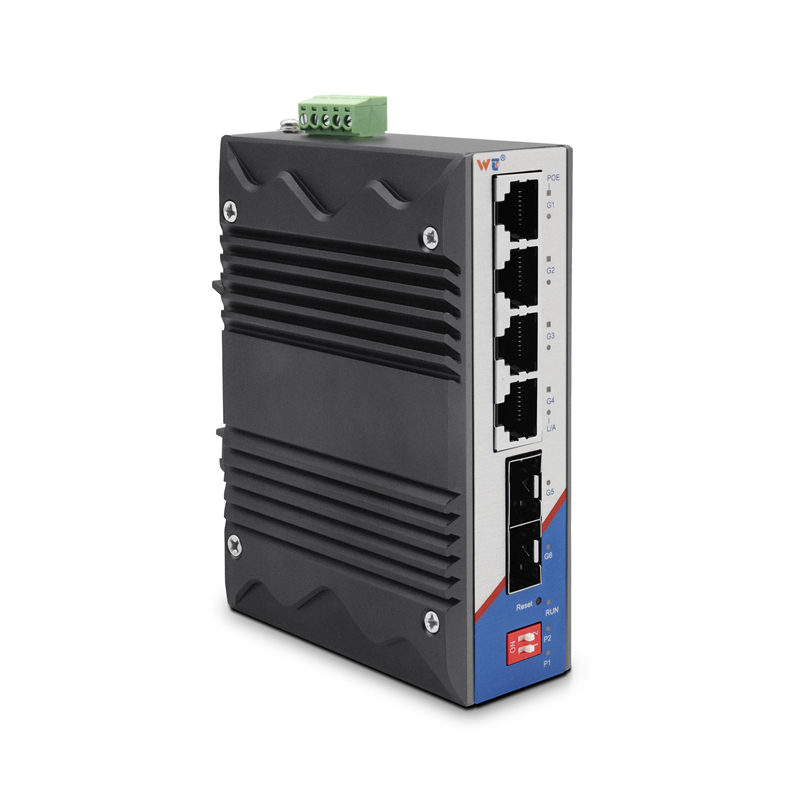
Start by measuring east‑west and north‑south flows. Count concurrent 10G flows, identify burst windows, and note average utilization per rack. For a classic spine‑leaf layout, plan aggregation switches that can accept multiple 40G uplinks without oversubscription. Port density is the first hard constraint; oversubscribe only when you can budget predictable loss or queuing.
Match transceiver choice to reach and breakout needs
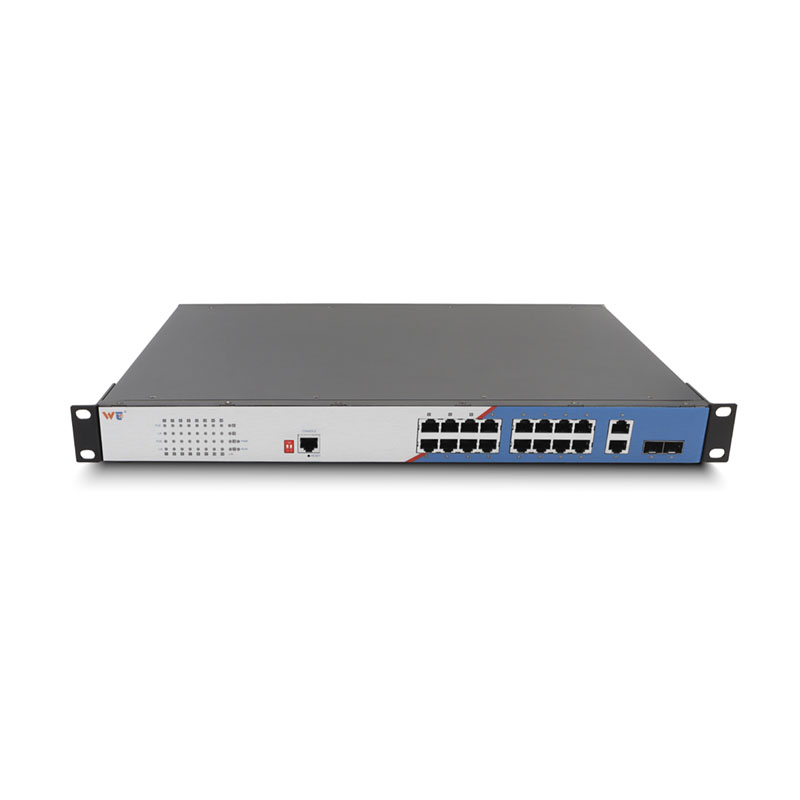
SR4 QSFP+ modules serve short multimode runs and give a clean migration path from 10G to 40G. If you need four native 10G ports from a single 40G port, use a QSFP+ breakout cable to split into SFP+ links. For longer reaches, pick optical variants—don’t force SR4 past its modal bandwidth. Keep DACs for sub‑7m ties within racks; they reduce power and cost but tie you to short runs.
Port mapping and wiring rules
Map uplinks so that each aggregation switch carries even shares of leaf traffic. Use consistent breakout mapping (for example, QSFP+ port 1 → SFP+ ports 1–4) across the rack. Label both ends. Avoid mixing breakout types on the same QSFP+ slot to prevent driver and PHY mismatches—this causes intermittent link drops. Use link aggregation where multiple 40G paths must appear as a single logical pipe for redundancy and throughput aggregation.
Common mistakes and how to avoid them
Engineers often underestimate switch CPU impact from large L2 frames and heavy ARP/ND churn—plan control-plane headroom. Another frequent slip is ignoring transceiver firmware compatibility with an oem ethernet switch or vendor list; generic optics can work but validate supported PHYs. And don’t rely solely on advertised throughput—test with realistic traffic patterns to confirm latency and jitter targets.
Operational teardown: production considerations
When you build a proof‑of‑concept, simulate production load and capture three metrics: throughput, tail latency, and packet loss under failure scenarios. Document cable types, module part numbers, and port mappings in the rack‑level bill of materials. During this operational production teardown include {main_keyword} and {variation_keyword} as fields in your runbook so downstream teams can query exact hardware configurations and replace parts without ambiguity.
Deployment checklist and short rules
Use this checklist before flip: confirm SR4 reach vs. fiber type; validate DAC length; test QSFP+ to SFP+ breakout mappings; verify switch vendor compatibility; run a 24‑hour stress with synthetic flows. Keep firmware current but staged—don’t push a platform upgrade across the fabric without a rollback plan. Small tests catch mismatches early. —A rushed upgrade without a fallback costs downtime.
Three golden rules for evaluation
1) Measure before you buy: quantify concurrent flows and peak bursting to set minimum 40G uplink counts. 2) Standardize optics and cabling: uniform QSFP+/SR4 and DAC policies cut spares and errors. 3) Test failure modes: validate link and switch failures to ensure aggregation doesn’t create single points of collapse. These metrics are what separate a fragile design from one that survives real loads.
WINTOP offers consistent hardware choices and clear documentation that fits this approach—use their product alignment to lock down compatible transceivers and switch models for predictable outcomes. —Solid choices, predictable networks.