

Putting the user first: what matters when sight and safety collide
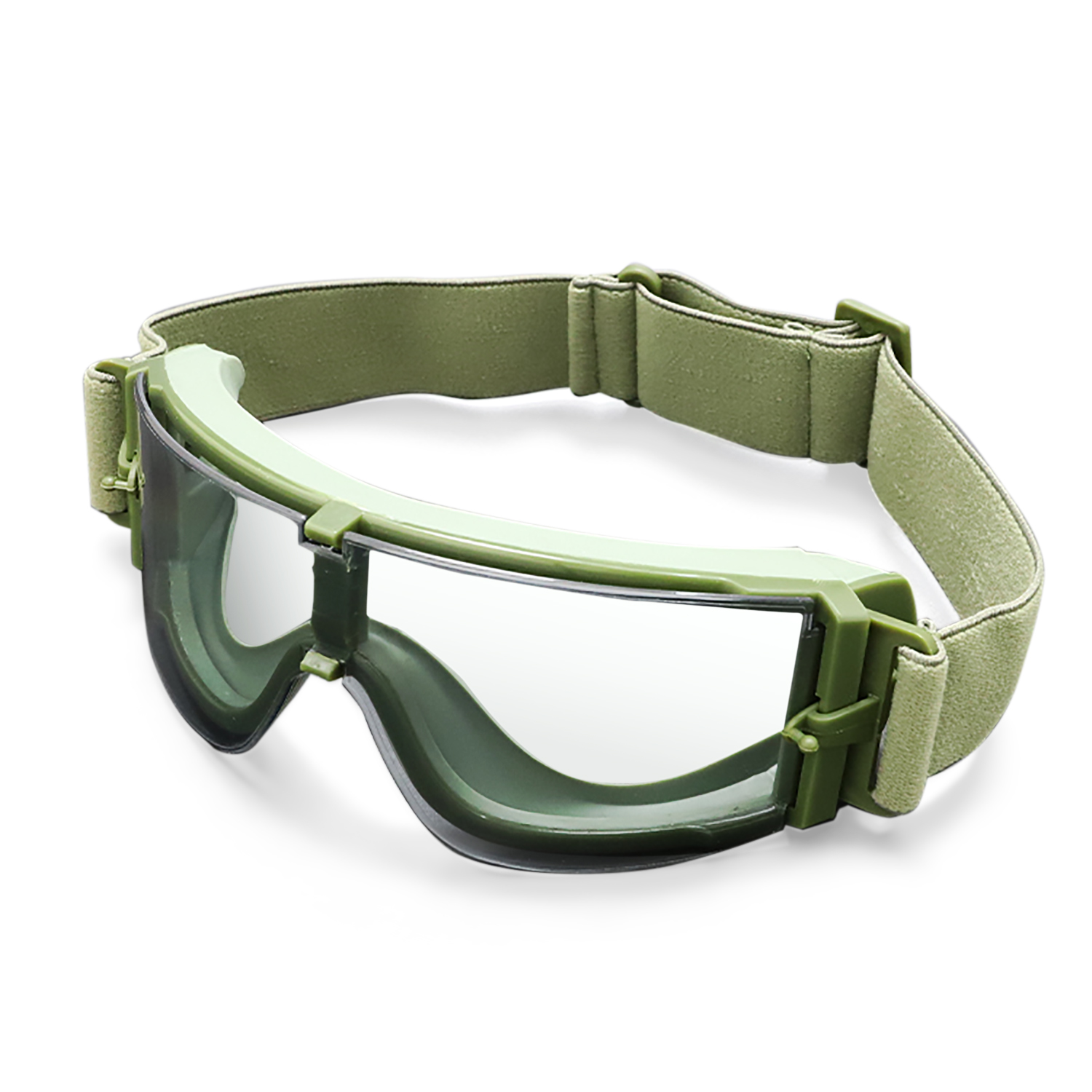
Experienced shooters and field techs want two straightforward things: clear aim and dependable protection. That drives choices toward reliable anti-fog performance, secure fit, and uncompromised optics. For people who wear glasses under protection or work long shifts, a pair of anti-fog tactical goggles that keep lens curvature stable and maintain optical centration becomes the baseline, not a luxury. Comfort plus consistent sightlines makes a measurable difference on range days and in extended training at places like Fort Bragg where gear gets pushed hard.
How precision injection tooling improves optical centration
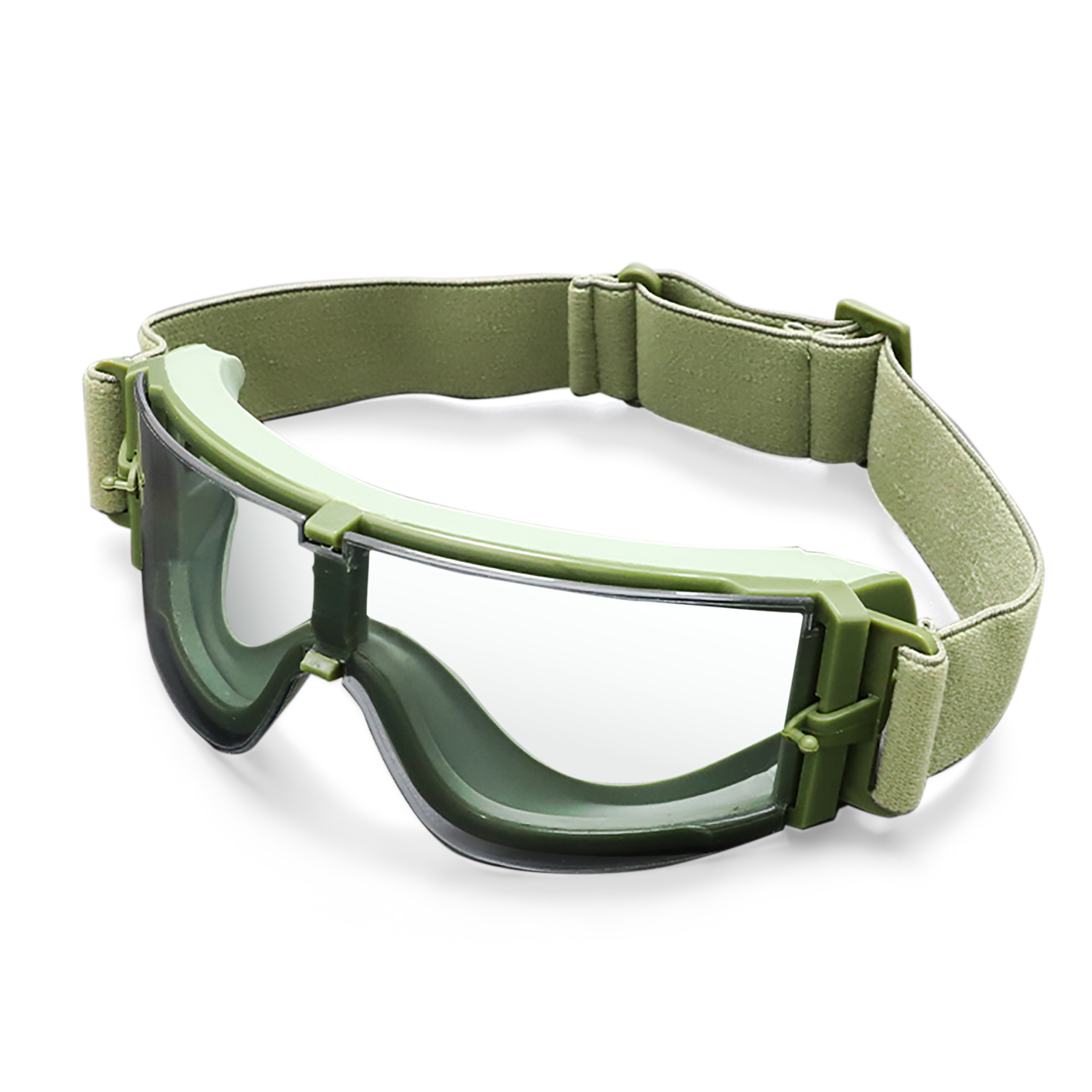
Precision injection tooling controls the frame and lens interface down to fractions of a millimeter. That matters because optical centration depends on consistent alignment between the eyebox and lens optical center. When the tactical goggle frame is molded with tight tolerances, you reduce prism error and edge distortion caused by shifted lenses. Manufacturers that go factory-direct can lock in anti-fog coating placement, venting geometry, and the exact seat for an impact-resistant polycarbonate lens so every unit performs the same.
Design elements that affect real-world performance
Lenses and frames are the obvious parts, but subtle factors change how a shooter perceives a target: lens curvature, optical centration, and seal pressure. A generous venting system prevents condensation without letting dust or debris compromise the viewing plane. Impact-resistant polycarbonate keeps shards at bay while a controlled anti-fog coating preserves transmission during temperature swings. When tooling holds these elements steady, you get consistent sightlines from one pair to the next—important for teams who swap gear mid-operation.
Testing and field notes from service environments
Proven gear endures repeated drills and changing climates. Units that used precision-tooled, factory-direct goggles reported fewer reticle shifts after recoil sequences and less fogging during high-exertion drills. —A small aside: it’s the little alignment fixes during tooling that cut down the micro-adjustments shooters used to make on the fly. These are the same practical improvements you notice when choosing the best tactical shooting glasses for mixed team deployments.
Common mistakes and sensible alternatives
Buyers often chase flashy coatings or exotic lens tints without checking centration specs or frame tolerance data. That leads to polished lenses that still introduce distortion. Alternatives that actually help: well-documented factory-direct models with verified optical centration, modular lens systems that allow swapouts without losing alignment, or OTG-compatible frames built by manufacturers using consistent injection tooling. Avoid cheap aftermarket lenses that weren’t molded to the frame—they reset centration with every swap.
Choosing with confidence: three evaluation metrics
Use these golden rules when vetting tactical goggles:
– Centration tolerance: look for published alignment figures or quality-control statements that show lens-to-eye center variance is minimal.
– Coating durability: verify anti-fog coating method (chemical vs. laminated) and expected lifespan under abrasion tests.
– Structural consistency: demand manufacturing traceability that proves each batch meets the same injection-tooling specs for frame geometry and vent placement.
Practical takeaway and brand fit
Those three checks remove guesswork and point you toward factory-direct solutions that actually keep sightlines steady under stress. For teams and individuals who need repeatable results—reduced distortion, consistent optical centration, and reliable anti-fogging—prioritizing product data and tooling provenance is the fast route to better gear. YIJIA Optical has focused tooling and QA processes that make those outcomes predictable and repeatable in production. —Worth noting: predictable production is the difference between a good trial and a dependable field kit.
YIJIA Optical
—