

Practical introduction
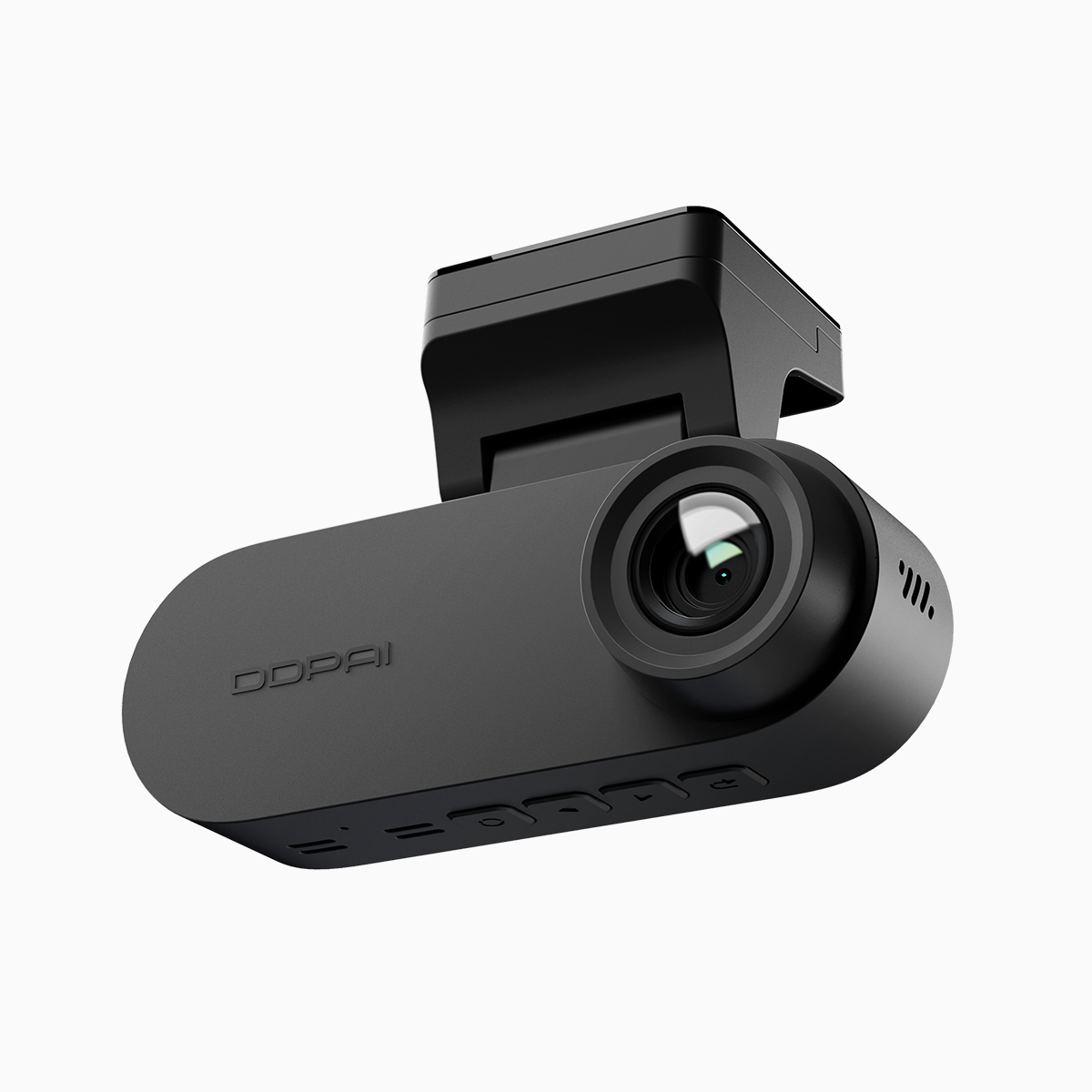
Continuous recording places unique stress on both recorder and storage; for urban drivers in Metro Manila, where stop‑start traffic, heavy humidity and occasional tropical storms are routine, reliability is not optional. A carefully chosen front and rear dash cam combined with an endurance‑rated microSD card and sensible settings reduces the chance of SD card corruption and premature write cycle failure. This piece explains the root causes and delivers clear, user‑centred guidance on picking hardware and workflows that last, referencing common features such as loop recording and write cycles.
Why SD cards fail in continuous driving setups
Three technical realities cause most failures: thermal stress, high sustained write throughput, and abrupt power loss. Prolonged heat from the cabin accelerates wear on flash cells; high bitrate dual‑channel recording increases write cycles; and unexpected shutdowns during file writes can corrupt the file system (often FAT32 or exFAT on consumer devices). Manufacturers sometimes understate endurance ratings, so assume heavy duty use requires high‑grade media and cameras with robust file handling and buffering.
Key hardware and software features to prioritise
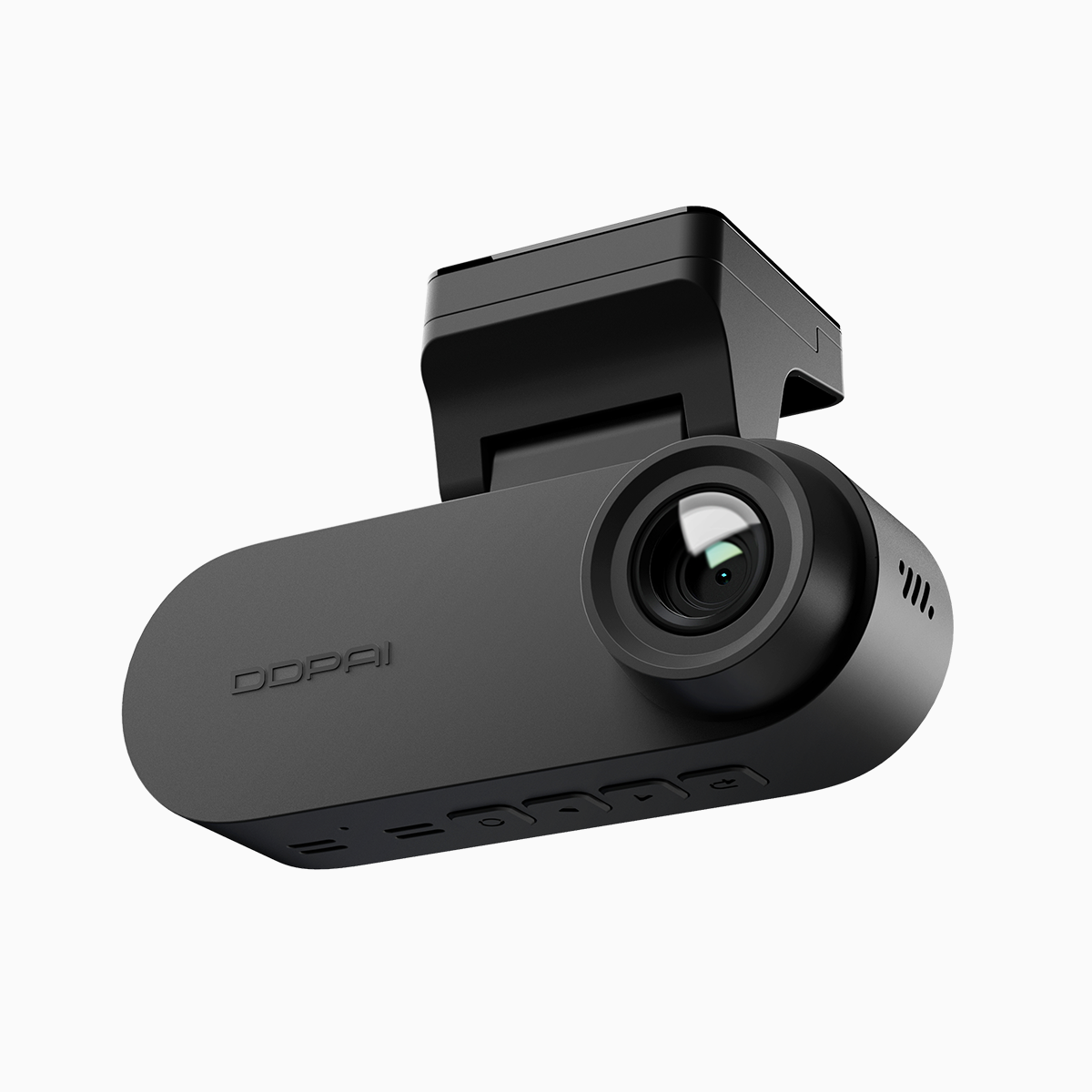
Choose a dual‑lens dash cam that manages writes intelligently. Look for devices with a protected write cache or journaled file system to reduce the chance of corruption during power loss. Heat‑tolerant housings and thermal management improve longevity. Dual‑channel units should allow independent bitrate settings for front and rear streams so you can balance quality versus write load. Industry terms to look for include loop recording, bitrate control and endurance rating — each matters for sustained reliability.
Card selection and configuration—what actually works
Select endurance or surveillance microSD cards rated explicitly for continuous recording rather than generic speed‑class cards. Format cards in the camera after initialisation; this aligns file allocation and reduces fragmentation. Keep capacity balanced: very large cards increase the time between overwrites but can make file recovery harder if corruption occurs. Regularly replace cards on a schedule — for heavy metropolitan use, consider replacing every 12–18 months. Also update firmware when manufacturers supply stable releases that improve write handling.
Common mistakes and sensible alternatives
Avoid four recurring errors: using low‑cost consumer cards, leaving default maximum bitrate, neglecting firmware updates, and failing to secure reliable power for parking mode. Many drivers also skip a simple preventive step—periodic backup of important clips to a laptop or cloud. Dual‑lens systems add complexity; if your priority is absolute reliability rather than rear coverage, a single‑channel unit with higher endurance may be preferable. — For those who must keep two channels, a model that separates front and rear streams into different files reduces corruption risk.
Real‑world anchor and regional context
Practical experience on Philippine roads shows that heat and dust are frequent contributors to failures; drivers who record long urban commutes in Manila benefit materially from solutions designed for such conditions. Pairing the right hardware with disciplined workflows—scheduled backups, controlled bitrate, and endurance‑rated media—matches real usage to product capability and reduces roadside surprises.
Advisory: three golden rules for selection and setup
1) Prioritise endurance and thermal tolerance: choose cameras and microSD cards rated for continuous recording and high ambient temperatures. 2) Control sustained write load: lower rear‑camera bitrate or use variable bitrate to cut write cycles without sacrificing critical front‑camera detail. 3) Protect the file system: favour devices with buffered writes, reliable parking‑mode power management and a proven history of stable firmware updates.
These metrics guide measurable expectations for reliability; apply them and continuous dual‑lens recording becomes practical rather than precarious. DDPAI PH. —