

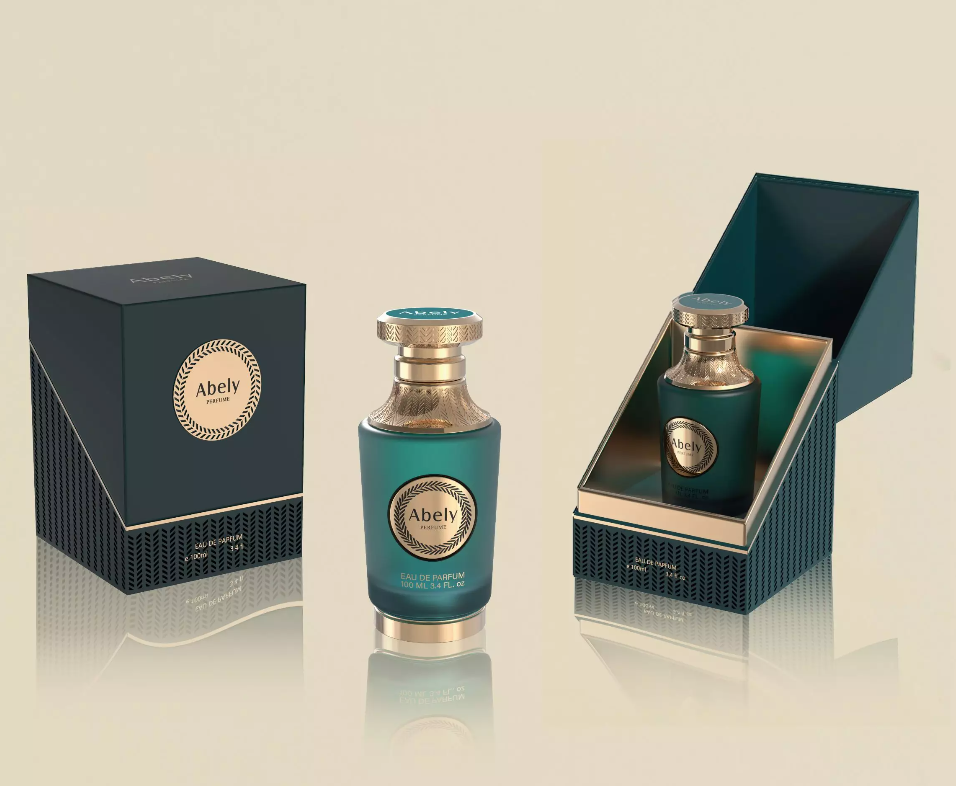
Opening: Why a Framework for Colour Coating Matters
Design teams need rules, not recipes — and a clear framework keeps intent aligned with manufacture. That’s why Abely’s process for color coating starts as a strategic map rather than a one-off aesthetic choice. From concept to shelf, decisions about finish, opacity and durability change how a bottle feels in the hand and how the fragrance reads on a counter. The perfume town of Grasse still reminds designers that scent and surface belong together — a real-world anchor that shows tradition and technique shape expectations for quality in packaging. For many brands, bottle colour coating signals premium intent before a single spray is released.
Core Framework: Four Pillars to Guide Decisions
Think of the framework as four interlocking pillars that guide every choice. They’re practical, testable, and repeatable:
– Visual Language: how colour and finish communicate brand story; matte vs. gloss, translucency, metallics.
– Material Compatibility: substrate choice (glass, metal, polymer) and how it accepts coatings.
– Process Constraints: batch size, curing, environmental controls, and production tolerances.
– End-User Durability: scratch resistance, solvent exposure, and long-term colour stability.
Use these pillars as checkpoints. If a single pillar fails, the final cap won’t match intent — and consumers notice.
Materials and Methods: Practical Considerations
Not every colour coating works with every cap material. Metal caps can carry thin, durable lacquers that mimic anodised finishes; polymer caps accept thicker, textural coats but may show seam lines. Glass collars require coatings that withstand adhesive during assembly. You’ll want to prototype with the exact substrate early — small shifts in polymer composition can change adhesion by orders of magnitude. Test cycles should include UV exposure and repeated handling. That’s simple risk control, and it keeps surprises off the production line.
Common Mistakes and How to Avoid Them
Teams often conflate “beautiful” with “manufacturable.” That’s where projects stall — or costs spike. Typical missteps include insufficient tolerance for tooling; over-reliance on a single finish without fallbacks; and skipping early adhesion tests. Also watch out for colour shifts under different lights — retail fluorescents flatten metallics, while daylight brings out undertones. A small pilot run can expose these issues quickly — do not skip it.
Prototype to Production: A Pragmatic Roadmap
Start with physical swatches, then move to small-run prototypes with full assembly. Measure adhesion, thickness, and gloss consistently. Keep the feedback loop tight between designers, engineers, and suppliers — short iterations beat long approvals. If a supplier flags a process limitation, pause design changes and evaluate alternatives. The best results come from iterative restraint: choose a tested finish and refine placement, rather than inventing new chemistry mid-run.
Alternatives and Comparative Insight
When colour coating won’t deliver the required performance, consider mechanical options: anodised metal sleeves, PVD plating, or coloured polymers moulded in. Each has trade-offs — plating can be costly but durable; moulded colour removes a coating step but limits post-process texture. Compare life-cycle impacts too; coatings may require solvents, whereas some alternatives use less energy in finishing.
Evaluation Metrics — Three Golden Rules
To choose among strategies, apply three metrics consistently:
1. Reproducibility: Can the finish be matched batch to batch under realistic conditions?
2. Durability: Will the cap withstand handling, transport and retail display without visible wear?
3. Brand Fidelity: Does the final surface convey the intended message to the consumer?
Keep these metrics front and centre during reviews — they save time and reduce costly reworks.
Conclusion: What This Framework Buys You
Following a structured framework turns subjective preferences into measurable actions. Teams get predictable outcomes, fewer surprises in tooling, and a clearer path from sketch to shelf. In practice, that means better launches, lower waste, and packaging that supports the perfume rather than competing with it. For design teams seeking a reliable partner that bridges creative intent and industrial reality, Abely sits at that intersection — practical, experienced, and tuned to production realities. Strong systems, better results.
– practical, tested, dependable