

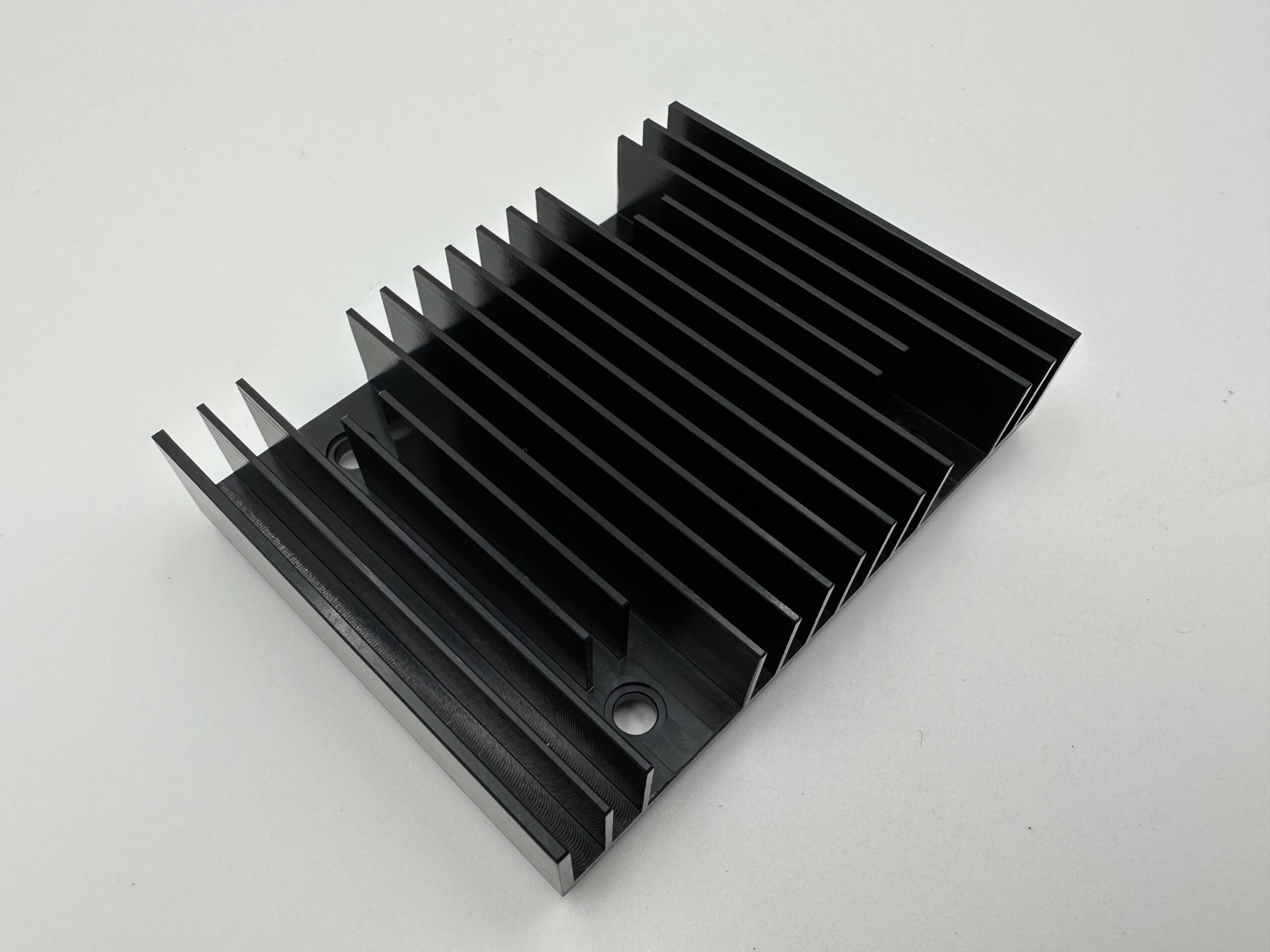
In today’s tech-savvy world, high temperatures threaten the performance of your devices. Have you ever experienced unexpected shutdowns with your gadgets? The root of the problem could lie in inadequate heat dissipation—this is where the extruded heat sink comes into play. This cooling solution is pivotal in managing the heat generated by electronic components, ensuring they operate smoothly and efficiently.
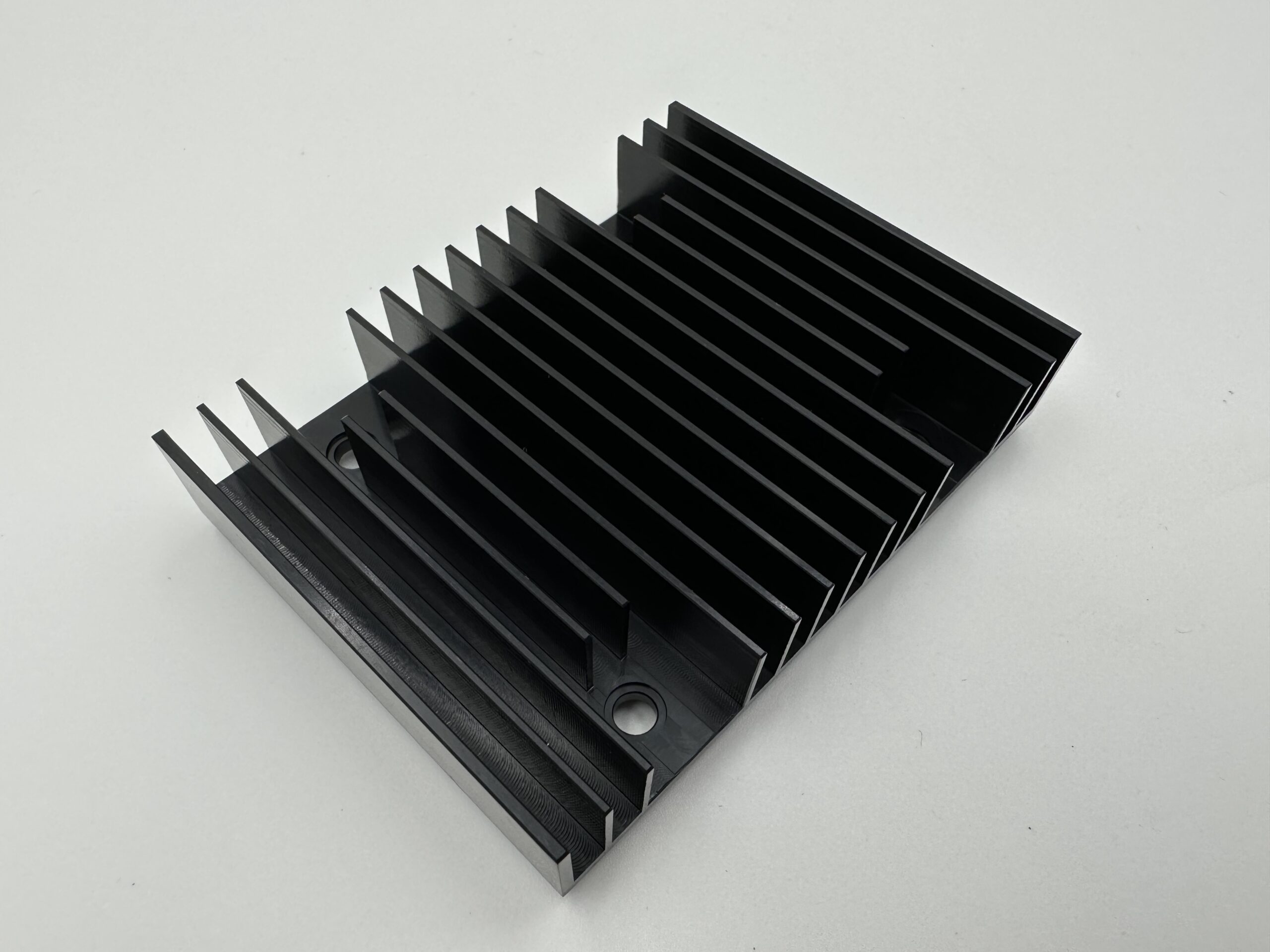
Traditional Solutions and Their Flaws
Previously, many traditional cooling methods relied on passive heat sinks, which often weren’t enough. Why do failures always occur during peak operational hours? A standard metal block alone simply cannot handle the thermal demands of modern electronics. Poor air circulation and a lack of effective material selection can lead to systems overheating and, consequently, failure. It’s clear that we need a more robust solution to address this growing issue.
Principles Behind New Technology
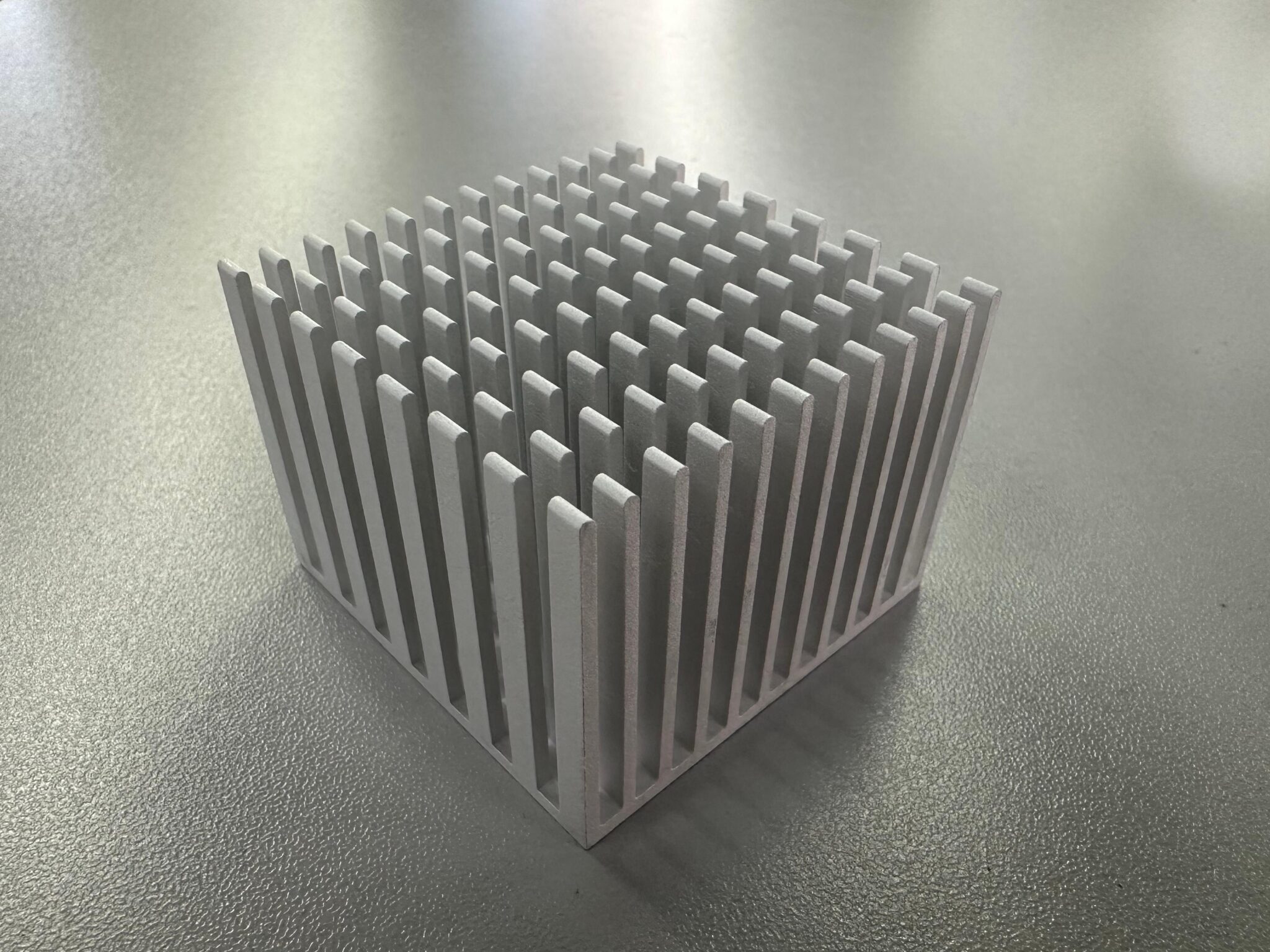
Look, it’s simpler than you think—enter the extruded heat sink. This technology utilizes aluminum’s excellent thermal conductivity, allowing for better heat distribution and airflow. Through the extrusion process, these heat sinks can be customized for the specific needs of various applications, providing optimal surface areas to dissipate heat effectively. Understanding how this innovative concept functions reveals its superiority over traditional methods.
Quantified User Benefits
With the introduction of extruded heat sinks, users experience marked benefits. The reduction in temperature fluctuations leads to increased reliability and longevity of electronic components. In fact, users have reported up to 30% improvement in performance—this translates to enhanced efficiency and lower maintenance costs. Talk about bang for your buck! It’s evident that upgrading to an extruded heat sink is a wise decision for anyone serious about maintaining their electronics.
Conclusion: Key Metrics for Your Choice
When choosing cooling solutions, always verify these 3 metrics: ① thermal performance ② durability ③ material composition. By focusing on these criteria, you can make informed decisions on the best extruded heat sinks to keep your electronics cool and efficient.
Exploring Extruded Heat Sink Manufacturers
Choosing the right extruded heat sink manufacturers can significantly impact your cooling solutions. These manufacturers specialize in creating high-quality products tailored to meet specific industry needs. Look out for those that offer custom designs and test their products against rigorous industry standards to ensure maximum performance. After all, the efficiency and effectiveness of your cooling system rely heavily on the expertise of the manufacturer behind it.
The Benefits of Extruded Aluminum Heat Sink
When discussing thermal management solutions, one can’t overlook the advantages of an extruded aluminum heat sink. These heat sinks are lighter than their copper counterparts while maintaining excellent thermal properties. Aluminum’s natural resistance to corrosion also extends the lifetime of the heat sink. This makes them a popular choice for a wide array of applications, from consumer electronics to industrial machinery. The versatility of extruded aluminum heat sinks ensures that they can meet the performance demands of any project.
In summary, upgrading to an extruded heat sink is critical for those looking to enhance device efficiency and longevity. Companies like Dingmetal offer robust supply advantages, allowing you to choose from a range of heat sink options tailored to your needs. Ensuring that you partner with a capable manufacturer will further guarantee that your thermal management solutions are reliable and effective.