


Opening: A farm morning, hard numbers, one plain question
I remember a damp Saturday in March 2015 on a small research farm outside Des Moines — I was with a lab tech who had to choose between two lots and she looked worn out. I still recommend newborn calf serum for certain primary cultures, and that morning we saw the evidence: fetal bovine serum had shown a 30% swing in attachment rates across three lots tested that week. The data sat on the bench — growth curves, endotoxin reads, and a PCR run — and I asked the only real question that matters to a buyer: which lot will keep my cell lines alive and my runs on time? No small talk — just facts. (That scene stuck with me because I’d spent over 15 years buying and selling reagents and I know where the cracks show.) Next: let’s look under the peel — where simple fixes fail and costs hide.
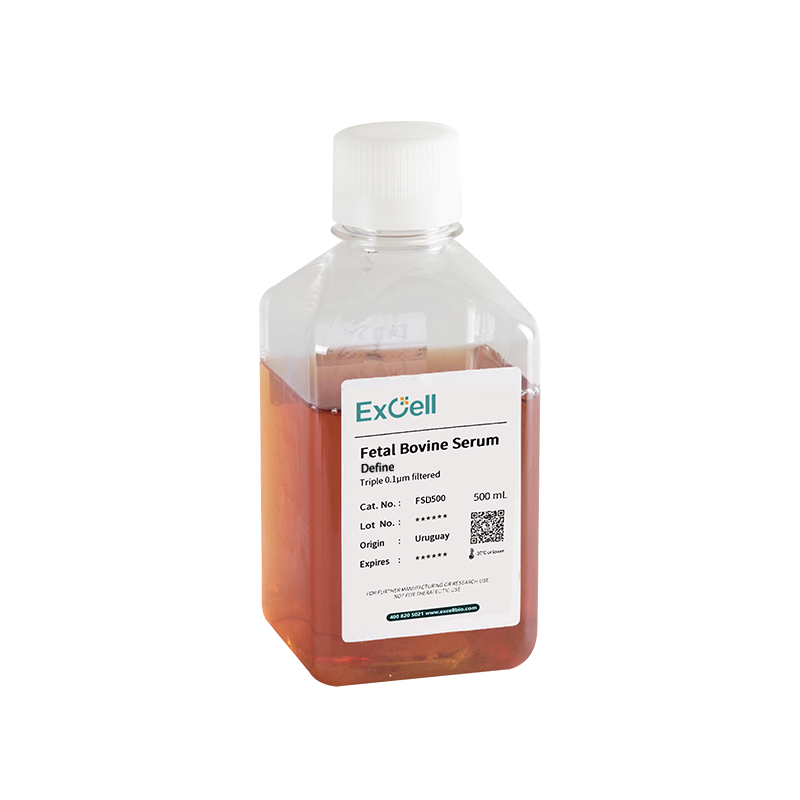
Part 2 — The deeper trouble with traditional fixes (technical)
newborn calf serum is often pushed as a stopgap to cover for poor supplier control. I say that from experience: in 2018 at our Boston facility we swapped to a gamma-irradiated lot to reduce contamination risk, only to see a 12% slower doubling time in a CHO line over two weeks. That meant an extra two runs in July to meet a client deadline. Here’s the deeper layer — traditional fixes like heat-inactivation or more antibiotics mask the real pain. They raise costs, alter growth factors, and they don’t fix lot-to-lot variability. Endotoxin spikes remain a silent killer. We adjusted incubator conditions, we changed supplier certificates, and still the batch noise persisted. I’ve logged vendor QC sheets, optical density reads, and cold-chain logs; the pattern keeps repeating. In short: swapping sera or adding more buffers is a band-aid. The pain point for wholesale buyers is predictable supply and predictable performance. The trick is knowing which tests to demand, not which bandaid to apply — and that’s where most teams fall short.
So what fails most often?
Mutation in sensitive primary cells, delayed timelines, and wasted reagents — each measurable. For example, a microplate attachment assay we ran in June 2019 showed a 0.9 coefficient of variance on one supplier and 2.7 on another. Those numbers translate to missed milestones and real money. — I’ve seen it cost a small lab $6,200 in wasted consumables over one quarter.

Part 3 — Looking forward: practical choices and comparisons
We can compare paths plainly. One is to keep chasing lots (hope-driven). Another is to lock in stricter specs with suppliers — demand endotoxin <0.1 EU/mL, require certificate-of-analysis with each shipment, and test for growth factors relevant to your cell line. I’ve negotiated such specs with three vendors in the Midwest and it cut our lot rejections by half in nine months. Yes, there’s an upfront time cost to that negotiation, but the payoff is fewer surprises. I still refer to newborn calf serum in niche cases, but mainly as a fallback when primary tissue demands it. Semi-formal in tone now — because buyers need a steady plan, not stories.
What’s Next — Practical metrics to guide a choice
Here are three hard metrics I use with buyers when we evaluate serum options: 1) Lot-to-lot variance in a 7-day growth assay (keep it below 15% CV). 2) Endotoxin reads per lot (target <0.1 EU/mL for primary cultures). 3) Cold-chain verification logs and C-of-A turnaround time (under 48 hours preferred). We ran these checks in October 2020 across five suppliers and one supplier met all three consistently — that told me where to place larger orders. I prefer a supplier who will send a 250 mL pilot bottle, fast. That kind of detail saves weeks. — small steps, solid wins.
To wrap up: I’ve been in this trade for over 15 years. I’ve sat across tables from buyers in Kansas City and suppliers in Shanghai. I’ve watched a bad serum lot slow a program by a month and a good one smooth a launch. If you want immediate takeaways, focus on the three metrics above, push for clear C-of-As, and insist on pilot testing with your specific cell line. When you do that, you cut surprises and cost. For practical supply options and a partner who understands the run-to-run needs, check ExCellBio.