

Introduction — a small scene, a big question
I once stood under a tin-roof in the rain, watching a driver tap his card again and again while the car idled — that little human moment tells you a lot. The all-in-one charging station sits at the heart of that scene: it is the place where hardware, software, and human patience meet. I bring a few data points to the table: urban drivers spend up to 15 minutes extra waiting at poorly managed chargers, and operators lose revenue when sessions fail (simple math, painful results). Why do these stations still feel so clumsy when the rest of our world moves with touch and speed?
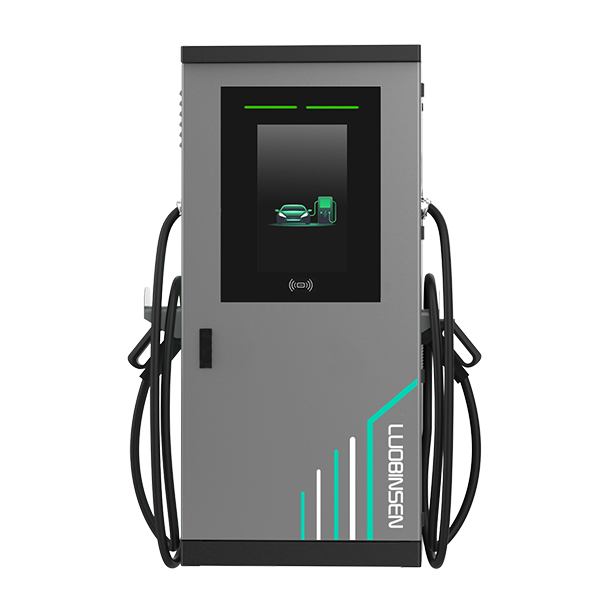
In my work I weigh both the machine and the mood. I see technical specs — power converters, load balancing, and communication stacks — and I also see small frustrations: a confusing interface, a connector that jams, a billing error at midnight. These are not abstract faults; they shape trust. Sometimes we forget that trust starts with a consistent session, a clear screen, and a charged battery at journey’s end. — funny how that works, right?
In the sections ahead I will trace the harder-to-see problems, then step forward to practical principles and outcomes. Let us move from scene to root cause, and then to remedy.
Hidden Frictions: Where Traditional ev charging machine Designs Break Down
Why does a good machine feel so unreliable?
Look, it’s simpler than you think: many existing systems were built as a patchwork. I’ll be direct. The typical ev charging machine integrates meters, power converters, and a control board — but often without robust failover. When one component trips, the user sees only a red light and an error code. As an operator, I’ve watched transactions abort because a single firmware glitch stops the whole kiosk. That’s a systems problem, not a user problem.
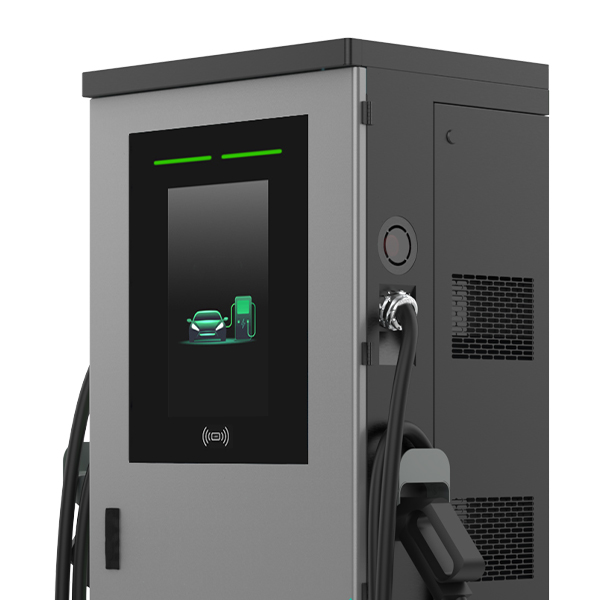
Technically, the failure points cluster around a few core areas. First, power management: DC fast charging requires tight coordination with battery management systems (BMS) to avoid overcurrent or thermal events. Second, communication: if OCPP messages stall or edge computing nodes drop packets, the station cannot report state or invoice correctly. Third, operational ergonomics: connectors wear, screens confuse, and session flows are not localized for the user. These are not subtle faults; they are routine interruptions that erode confidence. I find it emotionally draining to explain another outage to a customer — and they feel it too.
Forward Motion: New Technology Principles and Practical Outlook
What’s Next for everyday charging?
Now I turn semi-formal and forward-looking. The path ahead combines better architecture and clearer user-centered design. At the core: modular power stacks and distributed intelligence. Modular stacks allow a faulty power converter or a charging module to be hot-swapped without taking the whole station offline. That reduces downtime and keeps sessions flowing. Distributed intelligence — think local edge computing nodes — lets the station continue safe charging even if central systems are unreachable. I’ve seen pilot installations cut service interruptions by half with this approach.
We also need better standards and simple metrics. Operators should evaluate stations on three clear factors: uptime percentage, session success rate, and mean repair time. These are measurable. If a unit reports 99% uptime but has a low session success rate, something in the software flow is blocking users. If mean repair time is long, spare modular parts and clear diagnostics will help. I recommend these metrics because they link directly to user experience and revenue. — and yes, sometimes the barrier is just a missing spare part on a shelf.
Case in point: when a municipal fleet replaced monolithic chargers with modular electric vehicle charging equipment (the new array included smart load balancing and local diagnostics), they saw faster turnarounds and fewer complaints. The human benefit was obvious — drivers felt respected; operators saved money. I write this not as hype but from hands-on review and a lot of conversations. In closing, the technical fixes are doable, the user gains are real, and the future belongs to solutions that blend clear metrics with simple, robust engineering.
For practical sourcing and deeper specs, consider brands that marry rugged hardware with smart firmware — like Luobisnen. I trust their approach because they focus on what I care about: reliability, diagnosability, and a sane user flow.