

Introduction — a small shop, a big wake-up call
Last month I visited a local fabrication shop where the workers were squinting at a laser cut edge and coughing quietly; that scene stayed with me. A good laser fume extractor was missing from their bench, and you could see the difference in air and morale — it was obvious (I asked, they agreed). Recent reports and my own measurements show that cutting and engraving can raise airborne particulates and volatile organic compounds well above comfortable levels; this matters because long shifts and poor ventilation increase exposure, ji, and people get tired faster. So I asked: what really makes a fume system worth the price — and which choices actually protect the team?
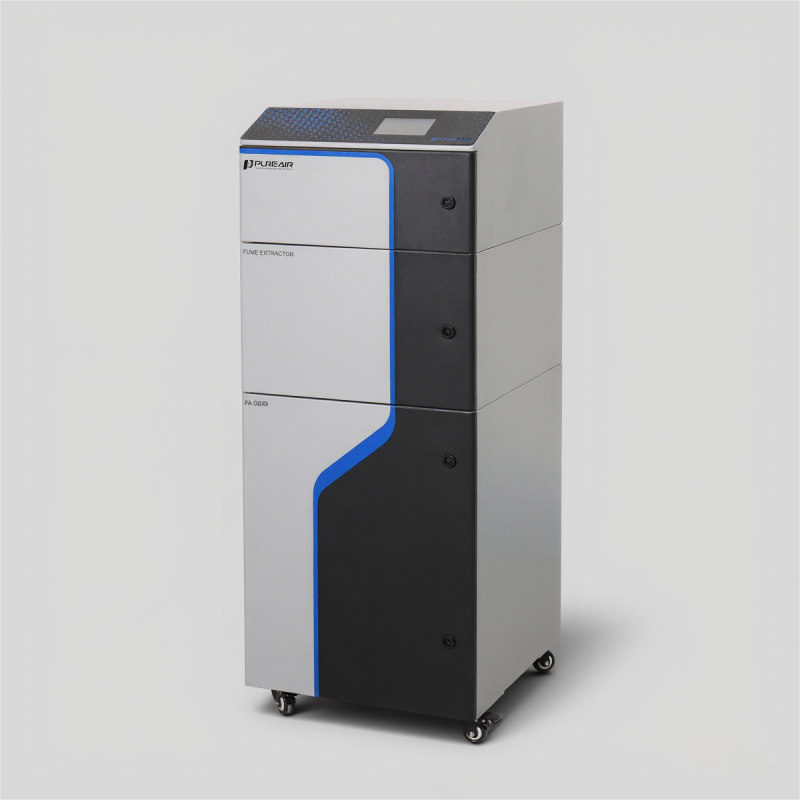
I write this as someone who has installed systems, swapped out filters at midnight, and argued with suppliers over fan curves. My aim here is simple: share hard-won lessons in plain language so you can make smarter choices. I will use a few industry terms — HEPA filters, airflow rate, filter cartridge — but I’ll keep it practical. Let us move on and see where common systems trip up, and how real users solve the pain points next.
Peeling back the layers: why many systems fall short
Technically speaking, a fume extractor must do three things well: capture fumes at the source, filter contaminants effectively, and maintain reliable airflow. When I look at a shop’s setup, I check whether they actually meet those basics. Now, consider the modern fiber laser fume extractor — it promises source capture and high filtration, but in practice design details matter more than marketing words. Filters clog. Motors overheat. Duct joints leak. These are not exotic failures; they are routine. I’ve seen systems with good HEPA cartridges but poor hood placement — so capture efficiency collapses. That gap between spec and reality is where users pay, and pay again.
What is the main, hidden failure?
The hidden failure is a mismatch: people buy a machine sized for peak load, not for the day-to-day workflow. They think the filter cartridge will handle everything. Yet particle size, chemical load, and airflow rate interact. If you reduce airflow to save noise, you cut capture. If you increase airflow, the motor blower strains. Look, it’s simpler than you think — you must balance capture velocity, filter media (activated carbon for VOCs, HEPA for particulates), and maintenance schedule. I judge systems by how forgiving they are when real operators make imperfect choices. The forgiving ones win in the long run.
Looking ahead: new principles and clear metrics for choosing systems
What’s next is practical tech, not gimmicks. I expect the next wave of solutions to combine smarter airflow control, modular filter cartridges, and easier source capture hoods. A modern fiber laser fume extractor should offer adaptive fan control that senses load and modulates power — this saves energy and extends filter life. I’ve tested setups where variable speed drives cut noise and energy use by a noticeable margin, and the team actually used the system more — funny how that works, right?
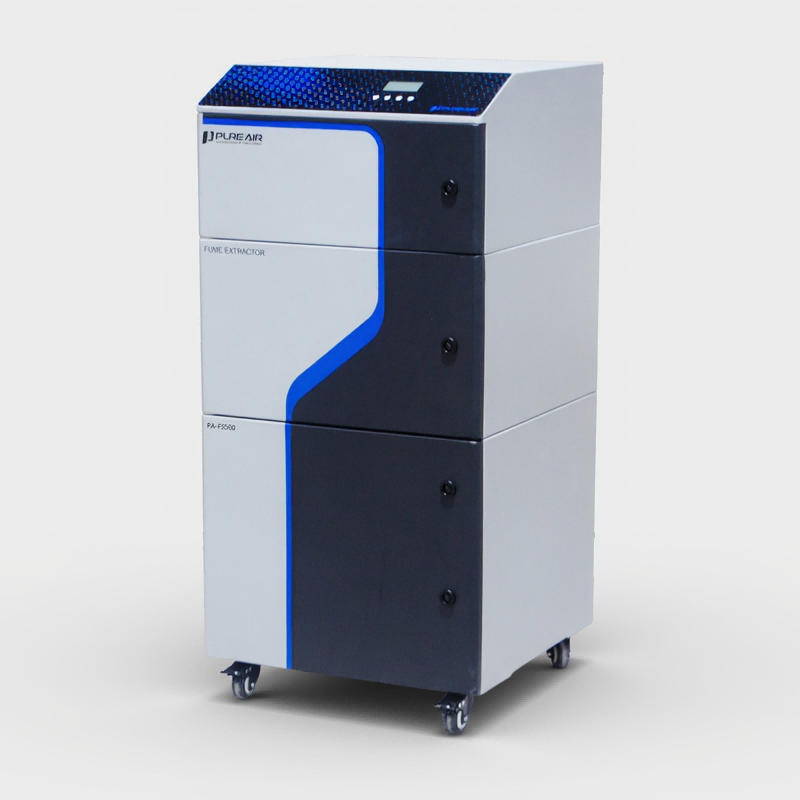
At the same time, I want simple serviceability. Replaceable filter cartridges, clear filter-change indicators, and straightforward duct runs make a huge difference. From a technical point of view, improving particle capture efficiency and reducing pressure drop across the filter are the two levers with the biggest payoff. We must also remember human factors: hoods that are easy to position, controls that operators can read quickly, and maintenance tasks that fit into a busy shift.
What to measure before you buy?
I advise three practical metrics when you evaluate systems: 1) Effective capture velocity at the source (measured where the plume begins); 2) Filter life under your real workload (not the showroom number); 3) Total cost of ownership including replacement filter price and energy draw. Measure these, compare them side-by-side, and you’ll avoid surprises. Also check warranty responsiveness — a slow service partner costs you downtime.
In the end, I favour solutions that put the user first: clear indicators, sensible defaults, and components that a local technician can replace quickly. I’ve seen shops shift from “we must survive” to “we can breathe” once they chose such a system. If you want a sensible starting point, consider equipment that balances HEPA filtration, activated carbon for chemical capture, and a reliable motor blower whose specs match your typical jobs. For practical options and support, I recommend exploring offerings from PURE-AIR.