

Introduction: Defining Signal Integrity in Meetings
Audio synchronization is the backbone of clear collaboration, whether teams meet across town or across time zones. In practice, a conference room speaker and microphone system lives or dies by how it treats the signal path from mouth to ear. A modern conferencing microphone array, an intelligent DSP, and a predictable network together shape intelligibility. When latency climbs above a quarter second, turn-taking breaks down; when echo escapes AEC, trust erodes. We see rooms that look world-class, yet people still ask, “Can you repeat that?”—a sign that the chain (not the components) is out of tune. Beamforming, gain staging, and codec settings must align, or small errors multiply. Data on real-world meetings is blunt: small spikes in jitter can punch holes in clarity, while uneven power delivery can throttle performance. The fix is not one feature but a system-level view, from cable type to QoS policy. Technical—but human-first.

So, how do we compare old habits with modern patterns to get reliable speech, day after day? Let’s unpack the gaps and set a clear path forward.
The Quiet Costs: Hidden Pain Points in Conferencing Microphones
Why do good rooms still sound bad?
Many teams assume the device is the problem. Often, it’s the chain. A conferencing microphone can be excellent, yet room results vary because workflows hide friction. Auto-mixers and AEC fight each other when thresholds clash. Noise gates clip consonants. Aggressive AGC pumps up HVAC rumble. Look, it’s simpler than you think: align roles. Let the AEC live in one brain (the primary DSP), keep beamforming rules consistent, and treat the latency budget like a contract. If full-duplex behavior slips—funny how that works, right?—participants start talking over each other. Even PoE power margins matter; starved endpoints behave unpredictably under load.
Traditional fixes, like “raise the overall gain” or “tighten the gate,” hide deeper issues. If mic lobes don’t match seating, the talker is off-axis; clarity drops before processing even begins. If the codec bit rate shifts under congestion, sibilants smear. And if cables route near power converters, noise finds the path of least resistance. The pain is human: wasted minutes, repeated ideas, and drained focus. The cure is design discipline. Map seats to lobe patterns, set gain staging at unity where possible, keep AEC in one place, and verify end-to-end delay. Small, boring steps prevent big, noisy meetings.
What’s Next: Smarter Audio Paths and Real Comparisons
Real-world Impact
The shift from bulky racks to intelligent endpoints is more than fashion. It’s a move to distributed control with cleaner math. New arrays estimate voice direction faster, feed a stable auto-mixer, and pass a consistent level to the DSP—less tug-of-war, more cooperation. Policy-based QoS protects voice on the wire. Meanwhile, classifiers now separate speech from clatter without crushing tone. Pair that with predictable PoE power and you get fewer edge cases, fewer “what just happened?” moments. When you compare legacy chains to a modern digital meeting device model, you’ll see one core idea: fewer places to argue with the signal. Fewer adjustments. More repeatable results.
Principles to anchor the upgrade: (1) keep processing where it is most deterministic; (2) design for a fixed latency budget and test it under load; (3) standardize profiles so rooms behave alike. That last point matters—train once, scale many. And when endpoints can self-check mic health and report SN ratio, support becomes proactive—not reactive. The room stays quiet until someone speaks—then it wakes up fast and clean. This is not magic; it’s careful alignment of beamforming, AEC, and routing. The result feels simple — and that changes everything.
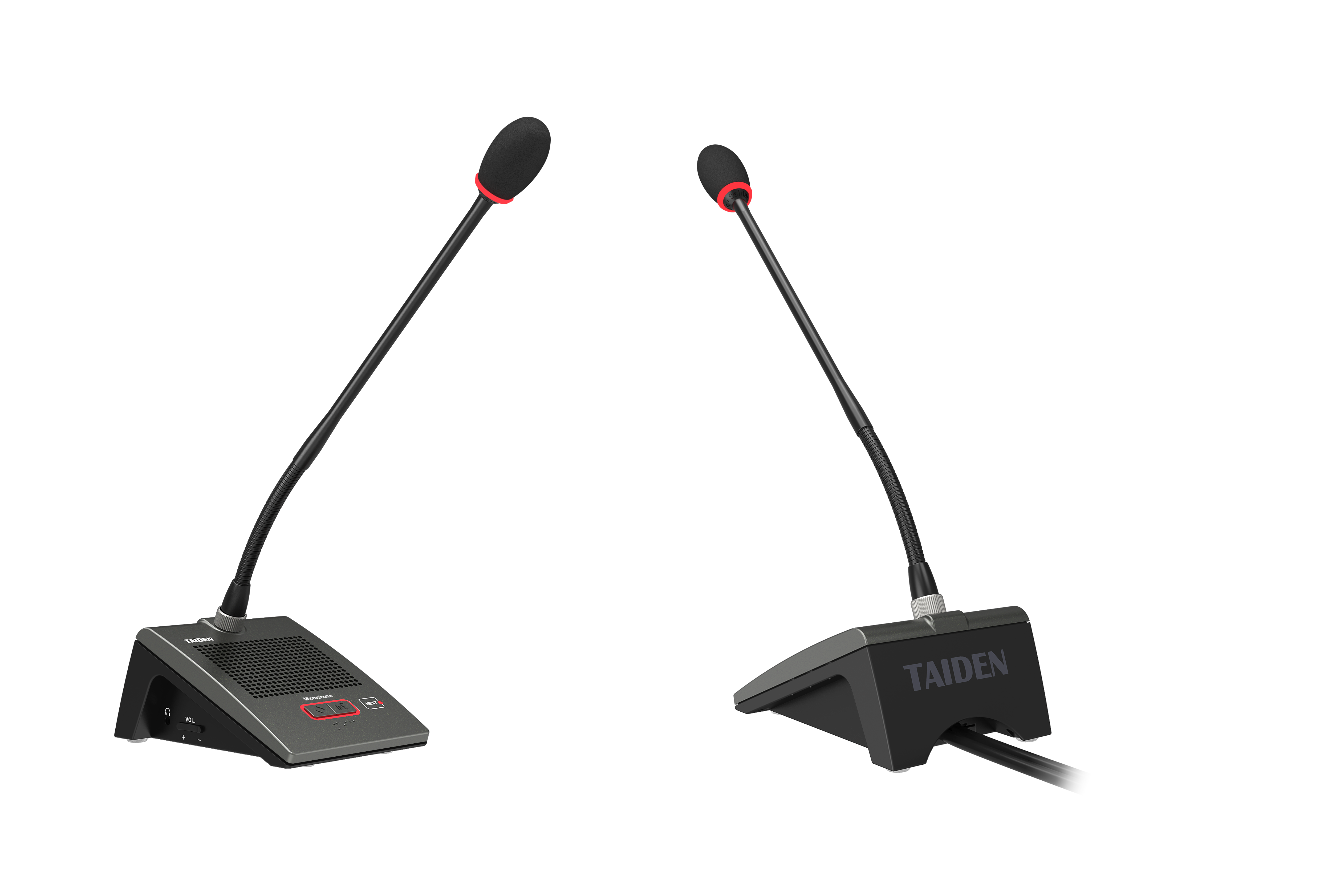
Before you choose, use three evaluation metrics. First, intelligibility under stress: measure STI or a practical equivalent during real traffic. Second, stability of duplex: confirm no talk-over collapse when two voices overlap. Third, manageability at scale: verify unified profiles, remote updates, and clear logs for root-cause tracing. If a platform scores well here, meetings sound natural and stay that way. For teams planning their next step, aligning system design with these metrics ensures fewer surprises and clearer voices—every day. Learn more about mature, standards-driven approaches at TAIDEN.