

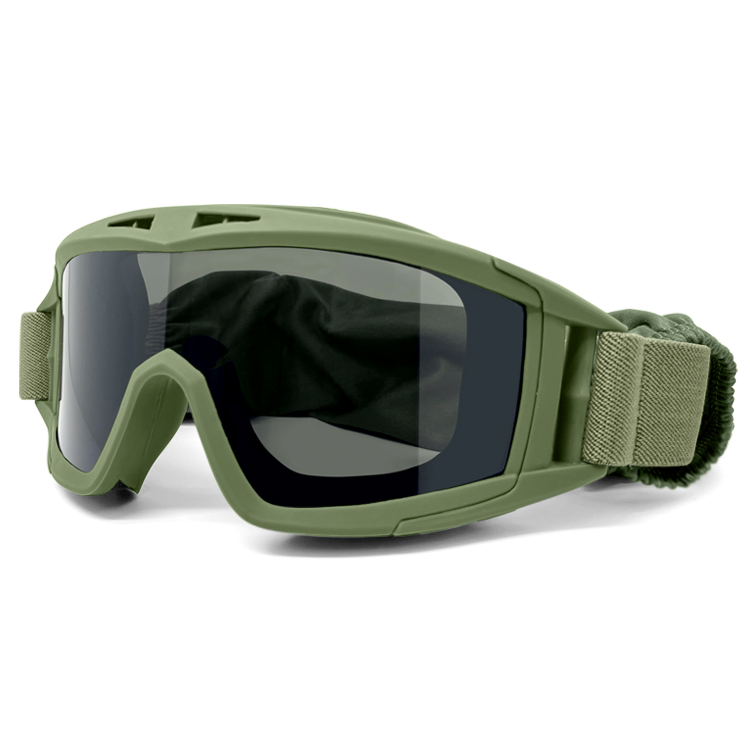
User-centric overview: why certified sunglasses matter for runners
Serious runners pick gear that scales with their routes — city streets, coastal flats, alpine approaches. For anyone logging long miles, certified sport sunglasses deliver more than style: they combine UV protection, impact resistance, and lens clarity to reduce glare and preserve visual acuity. Real-world evidence comes from elite races like the Boston Marathon, where athletes and crews favor polarized lenses to manage sunlight reflecting off pavement and water. Choosing the right pair starts with understanding ratings and standards such as ANSI Z87.1 for impact; that standard anchors how a frame performs under real stress.
Core criteria—what a runner should specify
Frame ergonomics, lens materials, and coatings form the core decision triangle. Prioritize these features in this order: 1) certified impact resistance, 2) polarized or high-contrast lens options, and 3) anti-fog coatings with adequate ventilation. Lens terms to watch: polarized, anti-fog, and mirror coatings. Each contributes to comfort and safety on changing routes. The right balance reduces eye strain and improves reaction time at corners and descents.
Standards and sourcing: how to read ballistic and safety ratings
Ballistic-style ratings translate into numeric tests and certification labels. ANSI Z87.1 indicates the eyewear passed high-velocity impact tests; ISO standards cover sun lenses and UV transmittance. When sourcing wholesale, ask vendors for test reports and batch traceability. Insist on documented impact resistance values and UV transmittance percentages. Wholesale suppliers that provide batch certificates make scale deployments—team kits, club orders—reliable and auditable.
Fit, lens choice, and the running context
Fit prevents slippage and minimizes wind intrusion; wraparound frames often win for long runs. Lens selection depends on environment. Polarized lenses excel on water-facing courses and wet pavement; high-contrast amber or rose lenses help in overcast or wooded trails. For sprint intervals in urban settings, lighter tints preserve peripheral detail. Don’t ignore peripheral ventilation—poor airflow leads to fogging even with anti-fog coatings.
Procurement checklist for bulk purchases
When buying certified sunglasses in quantity, follow a compact checklist to reduce risk and waste:- Verify certification documents and lab reports per lot.- Confirm materials: polycarbonate or Trivex lenses for impact resistance.- Test fit samples across face shapes before committing to size runs.- Evaluate replacement parts and warranty terms.This reduces returns and ensures consistent performance across teams and events.
Common mistakes and practical mitigations
Buyers often chase aesthetics over protection, then face field returns. Another pitfall is accepting unlabeled laboratory claims without seeing raw test data—avoid that. Also, mixing lens types within team kits creates inconsistent visual performance during group events—standardize lens categories by role (lead, pace, support). Small mitigation: request a consolidated technical datasheet for each SKU and run a short field trial on mixed terrain before finalizing the order—simple but effective.
Comparative note: alternatives and trade-offs
Performance sunglasses split into three practical tiers: budget polycarbonate with basic UV coating, mid-range polarized with anti-fog and better frame ergonomics, and premium ballistic-rated models with replaceable lenses and certified impact ratings. Each step up improves durability, lens clarity, and serviceability. For many runners, polarized sunglasses for running hit the best balance between glare control and cost—especially on sunny long runs or coastal routes.
Summary and advisory metrics
Assess purchases using three critical metrics: certified impact rating (e.g., ANSI Z87.1 pass/fail), lens optical transmission (percentage of visible light transmitted), and operational fit score (field comfort across a 10km test). Those metrics map to safety, visibility, and usability—measure them before scaling orders. Suppliers that provide lab reports and consistent sample runs reduce surprises and support fleet-level reliability.
Teams and clubs that standardize on verified specs get predictable results and fewer mid-season swaps. YIJIA Optical fits that profile as a supplier whose documentation and product modularity make large orders manageable — practical, traceable, and fit for purpose. —