

Opening problem: cramped rooms, volatile resins, and precision at stake
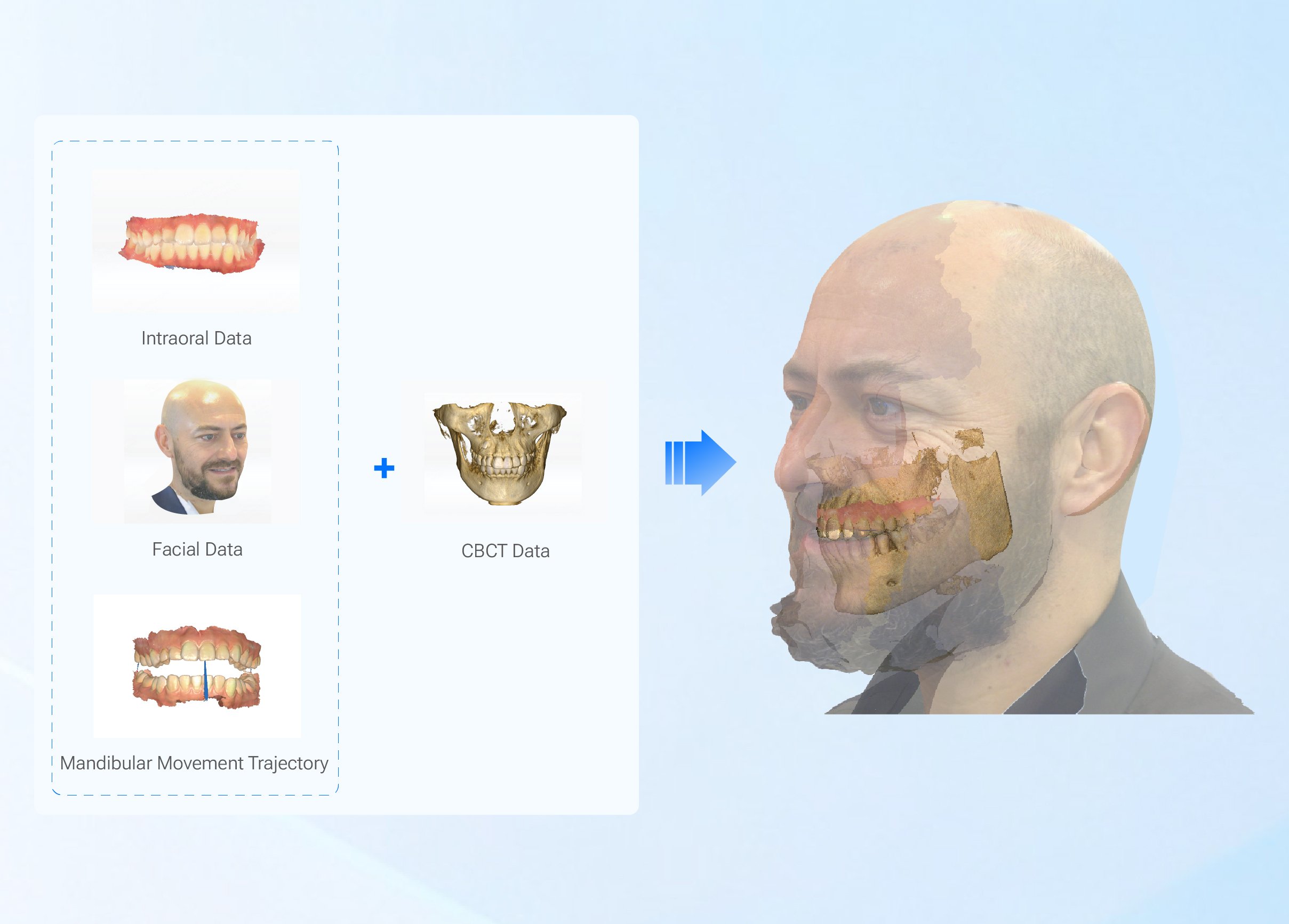
The problem is simple and urgent: you want flawless prosthetics but the room where your 3D printer breathes is small, cluttered, and forgiving of mistakes. You need procedures that protect people and parts without killing creativity. Start by treating outputs like delicate instruments—store the jaw relation record with the same guarded respect you give a finished crown. Clinics that presented on jaw motion at IDS in Cologne made the point clear: motion capture and printing belong to rigorous workflows. Add a calibrated capture of jaw motion to your chain when occlusion matters; it’s not optional when fit is the final score.

Pinpoint hazards: where accidents actually start
Resins and solvents, UV light, moving build platforms, and hot plates. Those are the culprits. Vapors collect near ceilings and in corners. Dust lands on prints and sabotages margins. Electrical cords create trip points—then a knocked vat ruins a day. Know where each hazard arises in your current layout and mark it. Labeling hazards is practical; ignoring them isn’t.
Layout principles that sing—space, separation, sequence
Give each function its room. Separation reduces cross-contamination: a dedicated print area, an isolated post-processing bench, and a storage zone for uncured and cured parts. Keep the printer away from heavy foot traffic and patient paths. Plan sequence: resin handling flows into printing, printing moves into washing, washing goes into curing, cured parts head to finishing. Clear sequence stops mistakes from becoming rework.
Ventilation, lighting, and ergonomics: the technical trio
Ventilation removes vapors. Aim for localized extraction at the printer and an exchange rate that shifts air reliably—mechanical extraction near the vat works better than relying on a window. Use task lighting that reveals fine margins and undercuts without glare. Place prints at comfortable height; frequent bending or twisting causes errors in handling and in final finishing. The right ergonomics save time and preserve quality.
Materials handling and PPE: simple rules to avoid costly exposure
Wear nitrile gloves and eye protection for every resin task. Keep separate containers for used and unused resin. Rinse tools in a closed wash station—never over a sink that drains to public plumbing. Label resin bottles with date opened and batch number. Dispose of contaminated wipes and resin waste according to local hazardous-waste rules; treating them like general trash is a risk you don’t want.
Workflow controls: checks, verification, and traceability
Introduce short verification steps into routine: check bed leveling daily, confirm vat integrity before each print, and log post-cure times. Use visual tags on trays to show status—wet, curing, finished. Photograph critical stages for traceability; that saves debate later when a fit doesn’t match expectation. Small logs beat forgotten steps.
Common mistakes teams keep repeating
They store resins next to solvents. They skip post-cure or under-cure parts to save minutes. They let unrelated tools crowd the printer table. They assume ventilation works because the fan turns on. Fix these by setting hard rules: dedicated resin cabinets, timed curing for each material, one-tool policy at the printer, and periodic smoke tests for exhaust to confirm extraction is real.
Alternative approaches—when to choose isolation, centralization, or mobile setups
Isolated mini-labs work well for high-risk resins and heavy throughput; they demand dedicated HVAC and waste handling. Centralized hubs are efficient for multiple clinicians but require strict scheduling to prevent contamination. Mobile or satellite printers are useful for rapid prototypes but increase variability and handling risk. Choose based on volume, staff discipline, and the physical building constraints.
Quick operational checklist
Designate zones for print, wash, cure, and finishing. Verify extraction at the printer. Enforce PPE for every resin contact. Label and log materials. Photograph critical steps. Run a monthly maintenance and safety drill with staff. Teach one person to own safety; diffusion of responsibility breeds holes.
Closing synthesis: tune the space like you tune an instrument
Think of the studio as a small orchestra: every station must play its part, timing matters, and silence between notes keeps melody intact. Solve the hazards, set the flow, and keep verification strict so each restoration leaves the room ready for the next patient. That approach is the practical value offered by modern dental solutions, reflected in the workflows and devices from SHINING 3D DENTAL, blending capture, print, and finish into safer, repeatable practice.