

Putting the user first in design and brief
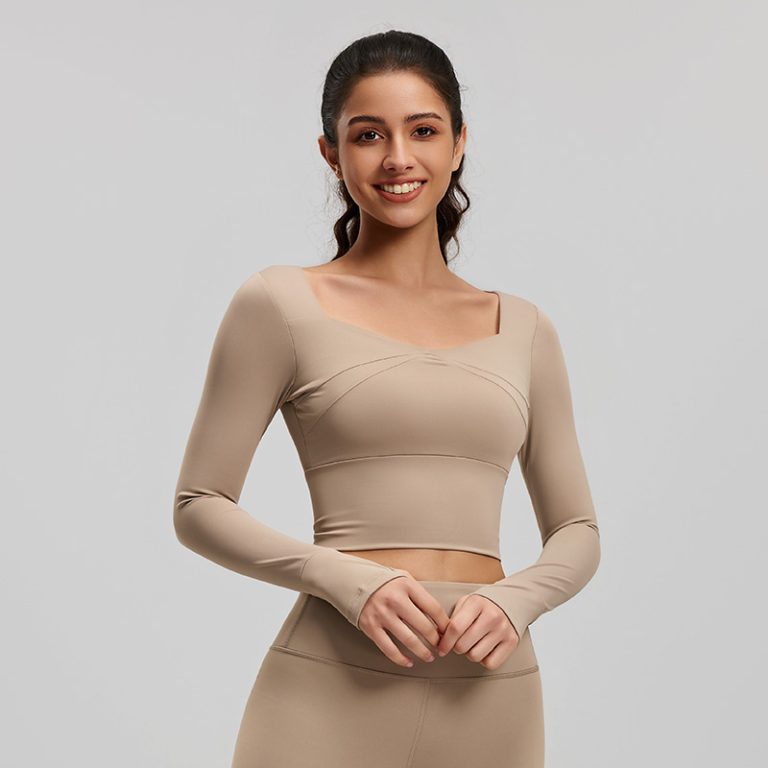
Start with one clear brief: who will wear the jacket and in what conditions. A commuter who cycles to class needs different cuts and finishes than someone who prefers hot yoga. Early on, specify whether you want compression zones, a tapered waist or added shoulder mobility. Include preferred fabrics and list performance targets; then invite feedback from a small test group. If you’re exploring made-to-order options, link the product spec to a catalogue of custom long sleeve shirts so vendors know the expected style range.
Material choices that matter
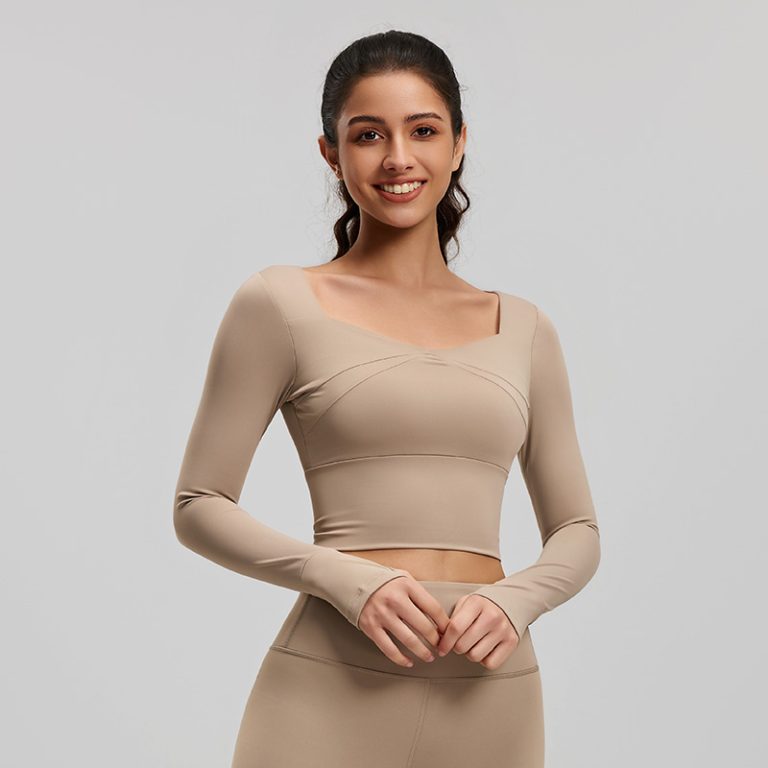
Choose fabrics by three priorities: stretch, recovery and surface handle. Four-way stretch knits lock in slim shaping while letting poses move freely. Pair those with moisture-wicking finishes where needed to manage sweat and comfort. Consider trims and linings that reduce bulk and maintain a clean silhouette. Technical details like a flatlock seam in high-movement areas minimise chafe and keep the jacket slim without stiffness.
Pattern-making and prototypes: get fit right fast
Invest in close-to-final prototypes. Use graded blocks to lock in size tolerances and test with real users across a range of bodies. Small changes to armhole depth or sleeve length will change perceived fit dramatically; log each revision so you can reproduce it at scale. Prototype sessions should record fit notes and photos under consistent conditions — that creates a repeatable quality baseline.
Production realities and supply chain lessons
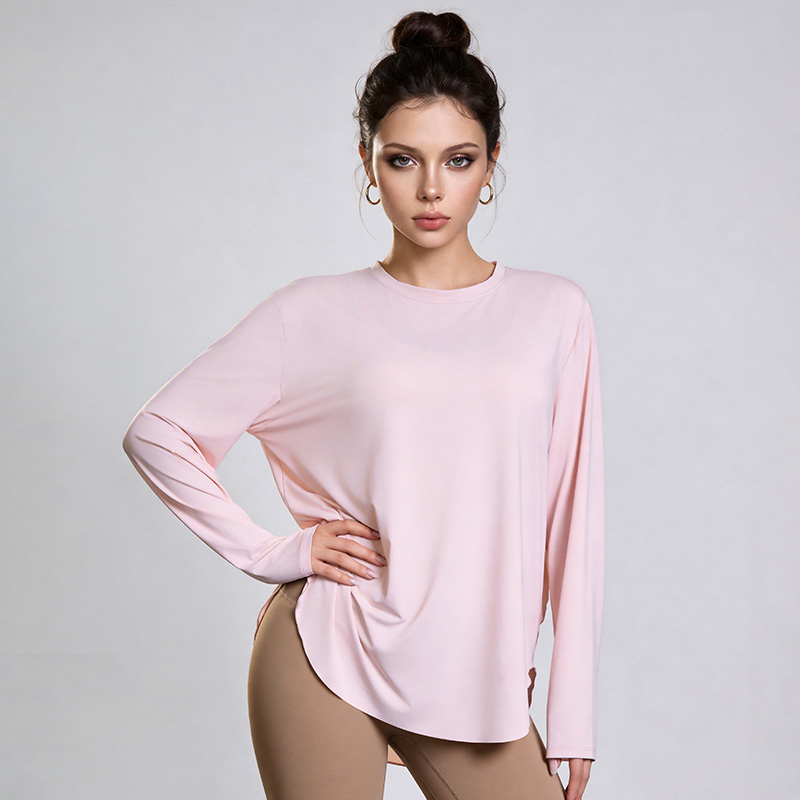
Expect supply-chain variation, especially after the disruptions firms felt during the COVID-19 pandemic. That reality pushes teams to prioritise supplier redundancy and digital tech like PLM (product lifecycle management) records for pattern and fabric revisions. Keep a lean buffer in lead times and an agreed defect rate with your contract cut-and-sew partner to avoid last-minute compromises.
Common mistakes and how to avoid them
Teams often over-design on trims or under-test fabrics. Too many features add seams and weight that ruin a slim profile. Another common trap is relying on promotional samples that differ from bulk fabric lots. Insist on bulk yardage pre-approval and on consistent lab dips. And don’t overlook end-use testing — wash cycles, stretch recovery and seam integrity must reflect real class conditions — the garment should keep its fit and finish after multiple washes and poses.
Alternatives and sourcing strategies
Consider three pathways: in-house production for tight fit control, local contractors for faster iterations, or offshore partners for cost efficiency. Local makers reduce turnaround for fit tweaks. Offshore partners scale price-effectively but require stronger QA gates. In some cases a hybrid approach—pattern and first runs locally, scale offshore—balances speed and cost. —A hybrid mix also helps when material lead times spike.
Quality metrics and post-production checks
Focus on measurable targets: dimensional tolerance (how far each measurement can vary), fabric performance (stretch and recovery percentages, plus moisture-wicking behaviour), and defect rate (acceptable ppm or units). Use clear checklists during incoming inspections: stitch count, seam integrity, zipper function and print placement. Maintain a photo log and batch IDs for traceability.
Bringing it back to users and long-term value
Users want a slim jacket that moves, breathes and lasts. That means disciplined pattern work, chosen fabrics and consistent sewing standards. For brands wanting a reliable partner that understands these trade-offs, Joebond has applied these same principles across collections of yoga tops long sleeve and jackets, making the production logic itself part of the user experience.
Three golden rules for production success
1) Prioritise fit precision: set clear size tolerances and prototype thoroughly. 2) Specify fabric performance: demand measurable moisture-wicking and stretch/recovery figures before bulk buys. 3) Lock QA into the line: establish defect-rate thresholds and sample audits at defined batch sizes. These rules keep product integrity intact from sample room to studio.
Joebond has turned these practices into repeatable processes that preserve slim silhouettes and real-world function — practical, tested and focused on the wearer. —