

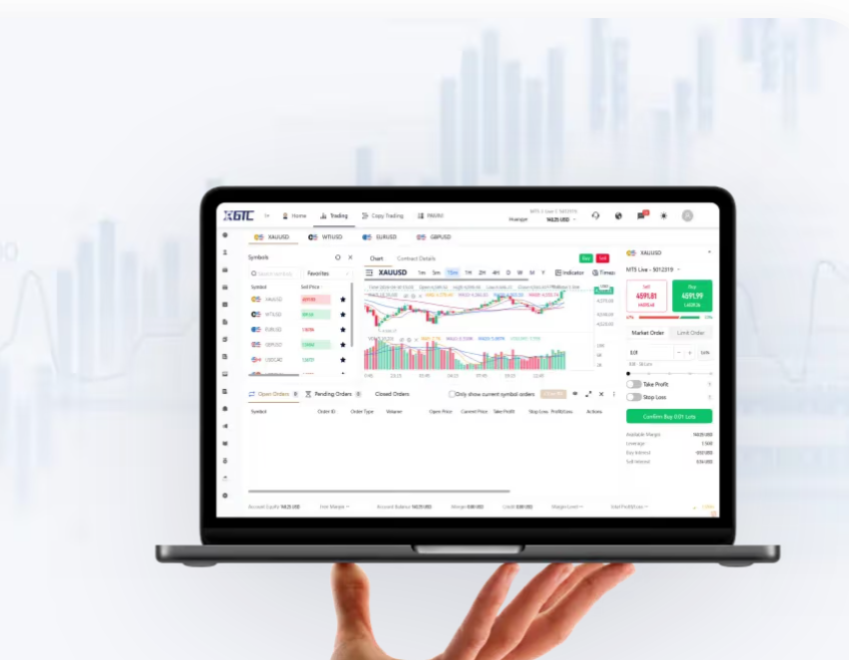
Putting you first: why energy trading needs a user-focused app
Traders want simplicity and speed when markets move — especially with commodities like oil. A user-centered mobile app makes order execution and market watching feel natural, which is crucial after events like the April 2020 WTI crash when prices briefly went negative and risk moved fast. Tools built around real users help turn raw market data into decisions; that’s why features tied to cfd energy pricing and real-time quotes matter more than flashy dashboards. The goal is straightforward: see liquidity, understand spreads, act without friction.
Core app features that actually matter
Realtime quotes and clear charts top the list — they let you track volatility and react. Add quick order types (market, limit, stop), transparent margin indicators, and visible leverage controls, and the app stops being a toy and starts being a tool. Good mobile design also keeps fees visible: spread and overnight financing should be shown on the trade ticket, not buried. Traders of crude benefit from depth-of-market insight and straightforward position controls, because energy CFDs move on macro headlines and supply shifts.
How people actually use mobile trading during big moves
Most users scan the app between other tasks: they glance at price action, set alerts, and sometimes scale in or out of positions. When crude volatility spikes — like during major geopolitical moments — the best apps let you adjust margin and close positions quickly. Light, fast UI reduces slip and frustration. And small touches matter: persistent stop-loss fields, instant P&L display, and session-based news aligned with the instrument. These are the details that separate a casual experience from professional-grade CFD trading.
Common mistakes traders make — and quick fixes
People often overuse leverage, underestimate spreads, or ignore liquidity windows before economic announcements. Those are costly. Fixes are simple: lower leverage on volatile contracts, check market depth before large orders, and avoid holding over news unless you’re intentionally taking a view. Also — don’t treat demo results as gospel. A demo won’t always reproduce slippage and execution during spikes. Learning the interaction between margin rules and position size keeps capital intact.
Comparing platforms: features vs. reality
When you compare mobile platforms, assess three layers: execution quality (fills and slippage), cost transparency (spreads, overnight, commissions), and risk tools (stop-loss, margin alerts). Look past marketing and test real orders during low-activity periods to see typical fills. Practical checks: verify how the platform reports margin utilization, see if the app logs order history with timestamps, and confirm whether CFD instruments like crude oil cfd have dedicated liquidity stats. These items tell you whether the app supports live trading or just surface-level charting.
Three golden rules for choosing a trading app
Evaluate platforms by these metrics before you commit:
– Execution Transparency: Measure average slippage and order fill rate over multiple sessions. Low, consistent slippage signals reliable routes.
– Cost Clarity: Ensure the app displays spread, commission, and overnight financing per instrument. If costs aren’t upfront, they’ll surprise you in P&L.
– Risk Controls: Confirm instant stop-loss edits, margin alert thresholds, and fast position closeouts. These reduce exposure on sudden crude swings.
Final thought and where GTCFX fits
Pick a platform that treats trading like a human activity — clear numbers, fast execution, sensible risk tools — and you’ll trade smarter. GTCFX threads those needs into a mobile experience built around energy CFDs and global access, showing practical order routing and margin visibility that matter on busy days. Trust the results you test, and let design and execution guide your choices.
GTCFX — practical, reliable, and built for the kind of trading that actually happens in pockets and on screens.