

Opening the problem space
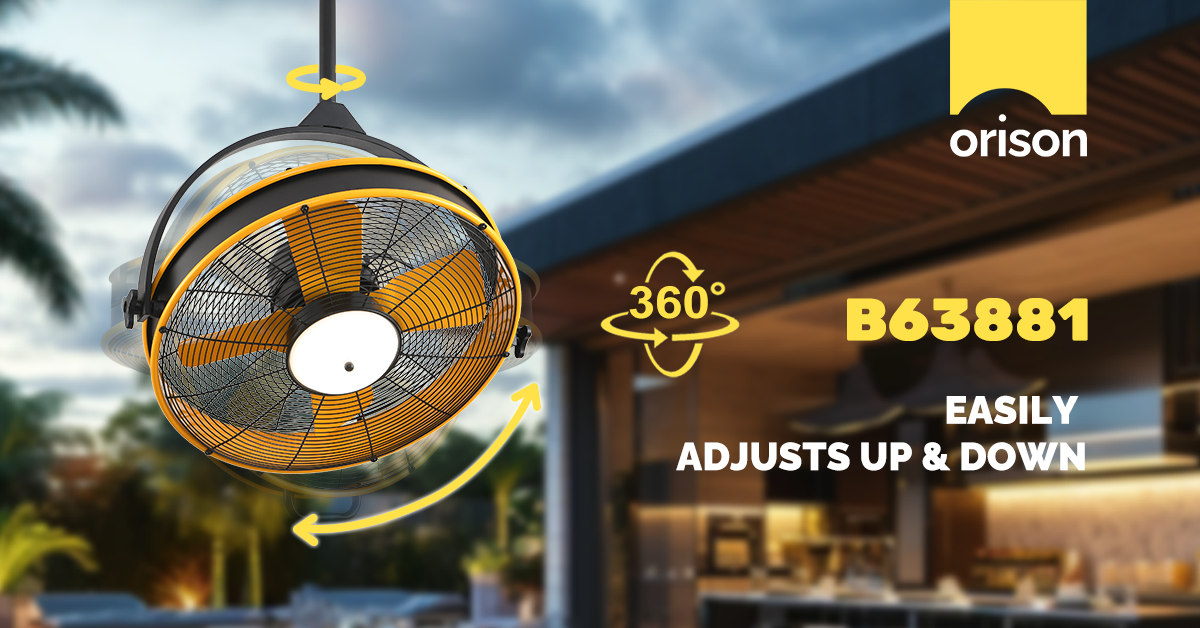
Kitchen smoke is not merely an annoyance; it is a recurring operational failure in many domestic and commercial spaces where conventional canopy hoods or range hoods cannot clear the plume rapidly enough. The consequence is poor air quality, lingering odors, and frequent activations of detectors that interrupt service. For those assessing retrofit or new-install strategies, consider also the growing market for integrated devices such as ceiling fans with light that combine airflow management with ambient lighting—these options change how designers think about room-scale ventilation.
What creates the smoke bottleneck
At root, the bottleneck arises from misaligned airflow pathways. Traditional hoods concentrate extraction at the cooktop plane; yet smoke and heat rise, spread, and mix with ambient air before arriving at the capture zone. Poor ducting, undersized fans, and inadequate capture velocity permit smoke to bypass the hood entirely. In many older kitchens the duct run is long or tortuous, reducing effective CFM at the hood outlet and raising acoustic rating as installers increase fan speed to compensate.
Why ceiling-mounted extractors outperform in many contexts
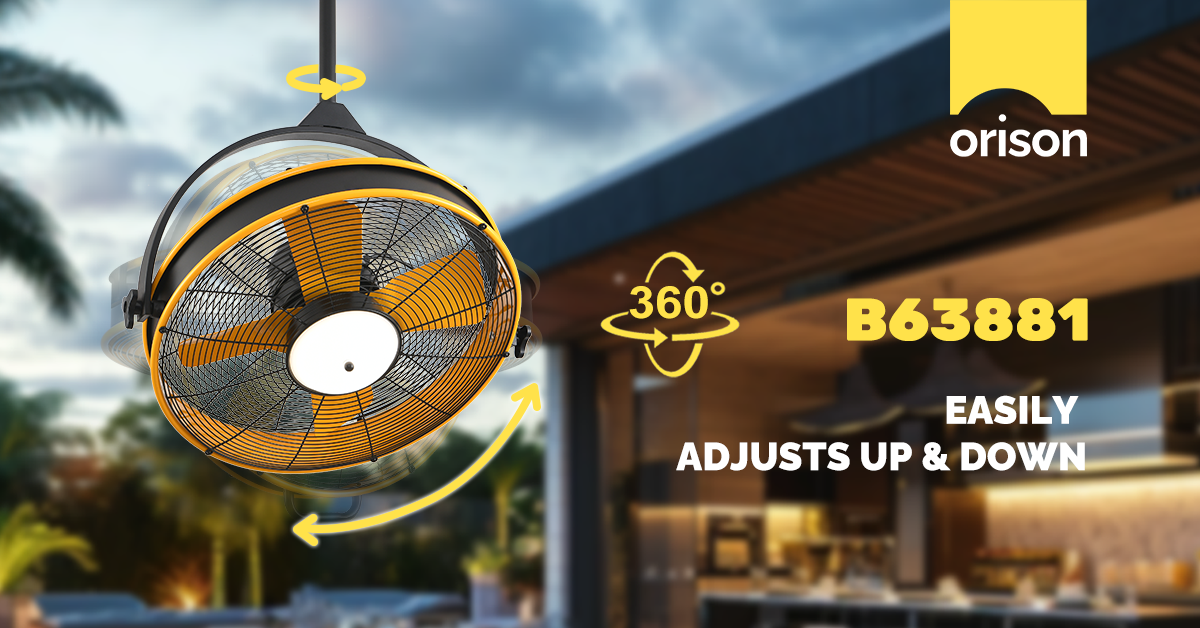
A ceiling-mounted extractor fan repositions the capture device directly in the natural upward path of combustion by-products. This approach reduces the entrainment distance, shortens duct runs, and often improves net extraction without forcing higher velocities at the cooktop plane. It also allows for decentralized placement above islands or multiple cooking stations—useful in open-plan kitchens and commercial galley formats. From an engineering standpoint, a ceiling mount can deliver steadier airflow, lower pressure drop, and fewer backdraught issues when correctly ducted to the exterior.
Performance features that matter
When specifying a ceiling extractor, attend to three technical aspects: motor class and drive (direct or belt), measured CFM at the outlet after duct losses, and acoustic performance under operating load. A high-efficiency motor with proper bearings lasts longer and maintains rated airflow; a well-sized duct minimizes pressure drop and preserves CFM; and acoustic rating determines occupant comfort. A thoughtful installation also employs a backdraft damper and accessible service hatch so that maintenance does not become a future problem.
Design and aesthetic considerations — balancing form with function
One advantage of contemporary ceiling solutions is that they marry utility with refined form. Modern units can be integrated with lighting or designer finishes so that they do not dominate the room visually. This is where designer ceiling fans with lights enter the discussion: they show how mechanical ventilation and luminaire design can coexist without compromise. Yet be warned — aesthetics must not obscure functional elements such as inlet size and clearance; a fashionable canopy that chokes inlet area negates the device’s purpose.
Common mistakes installers and designers make
Three recurrent errors crop up: underestimating duct losses, omitting a dedicated exhaust termination point, and treating the extractor as a plug-and-play architectural element. Underestimating losses leads to undersized CFM at the hood; lacking a proper exterior termination invites recirculation or moisture problems; and aesthetic-driven concealment can reduce inlet area — all of which impair capture. A useful remedy is to conduct a simple smoke test at commissioning to confirm capture across expected cooking modes — it identifies practical failures before the owner occupies the space. —
Comparing ceiling-mounted extractors to traditional hoods
Direct capture at source (traditional hoods) versus path interception (ceiling extractors) is a question of context rather than an absolute victory. Hoods excel in confined cooking zones where capture velocity can be concentrated; ceiling extractors excel where smoke disperses rapidly or where the cooktop lacks an overhead structure (islands). For many open-plan homes and contemporary restaurant kitchens, the ceiling approach reduces visible ductwork and improves whole-room removal rates. Consider acoustic trade-offs: a remotely mounted inline fan paired with a ceiling inlet can keep sound low while preserving high CFM at the outlet.
Specification checklist before you commit
Insist on the following before procurement: documented CFM performance at expected duct lengths, motor warranty and service access, measured acoustic rating at typical operating speed, and verification of exterior termination design. Also verify compatibility with local building codes and standards from recognized bodies such as ASHRAE or regional building regulations—these are commonly referenced in municipal approvals and ensure long-term compliance. Finally, plan for maintenance access and filter replacement intervals; without them, performance degrades quickly.
Three golden evaluation metrics for selecting the right solution
1) Effective delivered CFM: measure expected room performance after duct losses, not the motor’s free-air rating. 2) Noise-to-performance ratio: accept no unit whose sound level compromises living comfort at the speed necessary to achieve capture. 3) Serviceability and code alignment: confirm that access, filters, and exterior termination meet maintenance and regulatory requirements.
These metrics will direct you to durable installations that solve rather than mask the smoke problem. When done well, the ceiling-mounted extractor is not merely an alternative—it is a superior system in many modern layouts, and it is precisely the sort of integrated, thoughtfully designed solution that brands like Orison enable in practice. —