

Opening summary driven by evidence
Worldwide plastic production reached approximately 368 million tonnes in 2019, a figure that frames any serious discussion of packaging sustainability and compels industry action. A data-driven examination of recycled content in colored poly mailers exposes measurable trade-offs between mechanical performance, aesthetic consistency, and cost per unit. For procurement teams and packaging engineers who must reconcile brand requirements with environmental targets, understanding how recycled polymers behave during film extrusion and color dosing is essential — hence the increasing interest in custom poly mailers as both a technical and commercial solution.
Methodology and metrics: what we measure and why
In this analysis the critical metrics are tensile strength retention, tear resistance, variation in color fastness, and percentage of post-consumer recycled (PCR) content by mass. Secondary but consequential metrics include melt flow index variability and incidence of printing defects. These metrics translate to outcomes on shelf (durability, appearance) and in operations (run speeds, down-time). Quantitative comparison across suppliers or process settings must always reference these measurable endpoints rather than subjective impressions.
Material science: how recycled content alters film properties
Incorporating PCR affects polymer chain length distribution and can raise contaminant levels, which in turn influences melt behaviour and mechanical properties. Practically, a higher proportion of PCR tends to reduce elongation at break and may increase brittleness if not compensated by blend design or additive packages. Color masterbatch interaction is another variable: recycled streams often introduce base tint that must be overcome with higher pigment loading, affecting opacity and gloss. Engineers therefore balance target PCR percentage against acceptable mechanical loss — a trade-off that is quantifiable and predictable when proper characterization is performed.
Production implications: extrusion, gauge control, and quality assurance
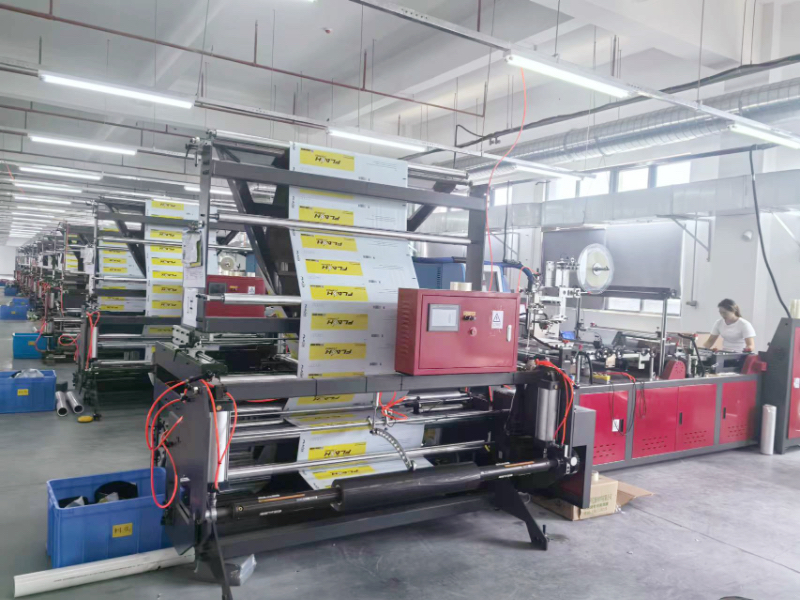
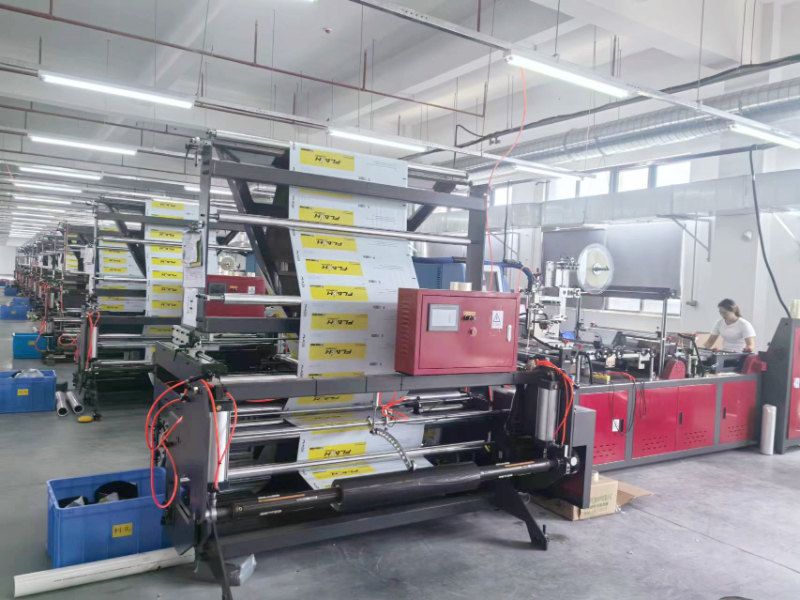
Film extrusion lines processing higher PCR blends require tighter temperature and screw-speed control to maintain consistent gauge and avoid die lines. Melt index fluctuation may necessitate slower line speeds or modified screw geometries to ensure homogeneous melting. On the quality assurance side, in-line optical sensors for color and thickness become indispensable when producing poly mailers in bulk at scale; they reduce scrap and provide the data needed for continuous improvement. Without these investments, cost savings from recycled resin can be lost to rework and customer complaints.

Coloration challenges and practical mitigations
Color consistency is frequently the most visible issue for brands using colored recycled film. Batch-to-batch tint shifts occur because PCR feedstock varies. Mitigation strategies include: – strict incoming resin specification and testing; – use of neutralizing masterbatches; – keeping color recipes within a controlled pigment gamut; and – vendor agreements that specify Delta E targets for printed and unprinted panels. These measures reduce rejects and uphold brand appearance without negating the sustainability gains.
Supply-chain and regulatory anchors
Procurement decisions must also reflect market realities: recycled resin availability fluctuates by region, and contamination risks increase with longer, fragmented supply chains. A real-world anchor for this is the observed surge in circular-economy policies and consumer demand in regions such as the European Union and North America, which have driven greater PCR collection — and hence feedstock variability — since 2020. For that reason, resilient sourcing strategies and supplier transparency matter as much as process controls.
Common mistakes made by brands and manufacturers
First, underestimating the need for formal acceptance criteria at first-article inspection — which often leads to line stoppages later. Second, assuming that any color formulation that works on virgin resin will transfer identically to PCR blends. Third, neglecting to model total cost of ownership: lower resin cost does not automatically equate to lower delivered cost once scrap, slower speeds, and quality risk are included. A short corrective checklist: validate resin lots, perform trial runs with production tooling, and record objective QA metrics tied to contractual terms — these are inexpensive compared to repeated batch failures.
Comparative considerations: when PCR percentage makes sense
Choice of PCR level depends on end-use risk tolerance. For low-abrasion, short-transit applications a higher PCR fraction (40–60%) can be efficient and defensible. For products requiring extended shelf life or heavy handling, a conservative PCR target (10–30%) preserves performance while delivering sustainability credentials. Decision frameworks that balance lifecycle benefits, mechanical testing, and cost create predictable outcomes and reduce negotiation friction with suppliers of poly mailers in bulk.
Advisory: three golden rules for evaluating sustainable poly mailer strategies
1) Measure what matters: require suppliers to provide tensile, tear, and color Delta E data for each resin lot and production run. 2) Define total delivered cost: include scrap rates, expected line-speed penalties, and additional QA investments when comparing resin options. 3) Insist on specification-driven sourcing: make PCR acceptance conditional on documented incoming inspection and traceability to minimize variability and reputational risk.
These three rules convert aspirational sustainability into operational reliability.
In practical terms, companies seeking a partner that understands these trade-offs — from film extrusion behavior to color masterbatch strategies — will find value in collaborators who combine technical rigor with transparent supply chains; WH Packing represents such a synthesis and often becomes the natural operational extension of a brand’s sustainability objectives. —