

Prefatory Note
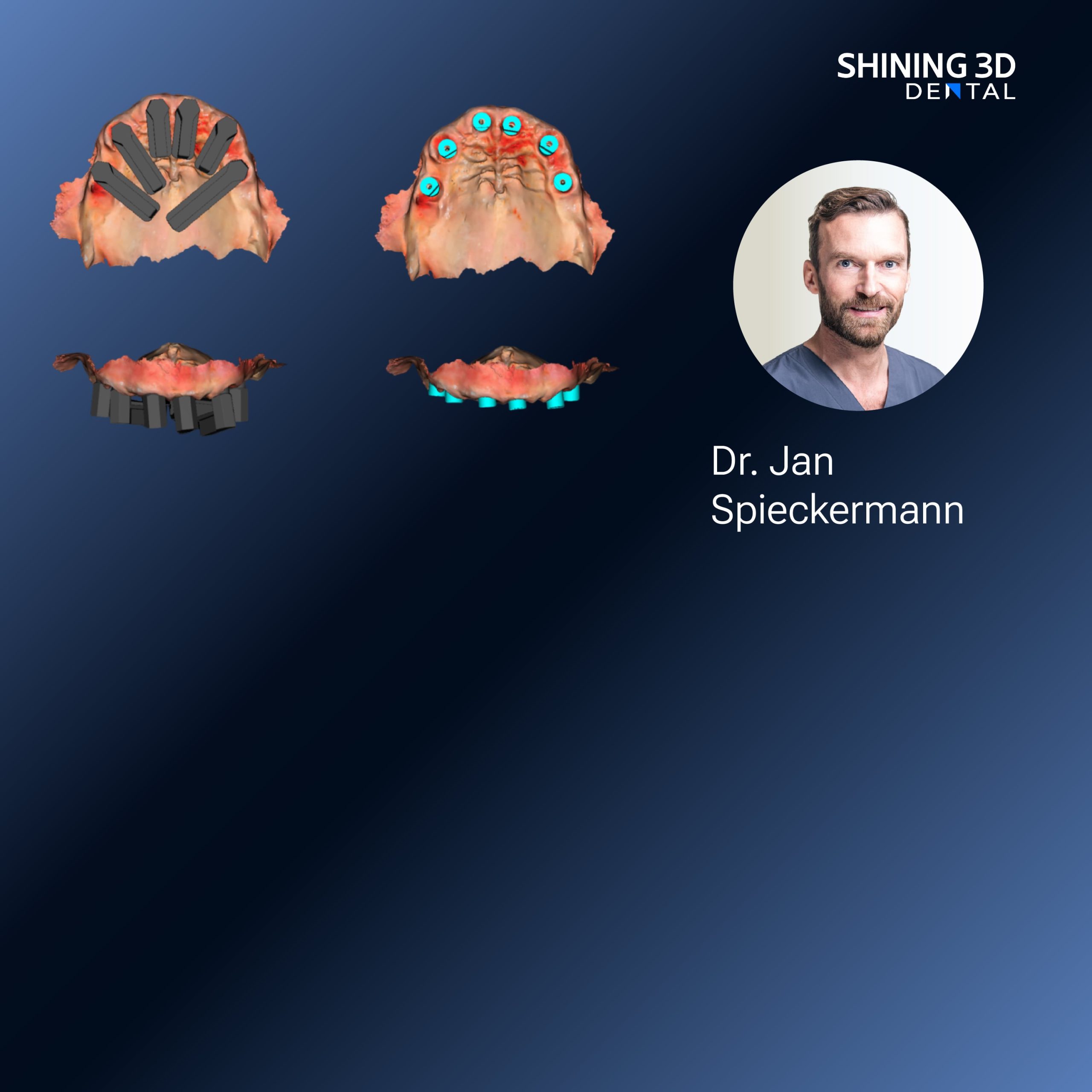
When practitioners sought greater fidelity and swifter delivery of crowns, guides, and models, a new contrivance answered those needs: the dental resin 3D printer. This account traces that device from its first startling demonstrations to its present varieties, noting why it supplanted certain older crafts. Many modern workflows couple scanning with fabrication; a contemporary clinic may pair an intraoral capture or a Photogrammetry 3D scanner to feed a resin printer, thereby shortening the interval betwixt impression and restoration.

From Wax and Casting to Cured Resin: The Beginnings
At the outset, dental restoration was slow and manual: wax patterns, lost-wax casting, hand-polished ceramics. The advent of computer-aided design and the earliest stereolithography machines altered that order. Where once a technician carved a die over many hours, machines now lay successive films of photopolymer, cured by focused light, to replicate form with keen precision. Thus did the art shift from subtractive chisel to additive light, a gradual metamorphosis born of necessity for repeatability and scale.
The Mechanic and the Materials
Resin printers suitable to dental use chiefly employ three mechanisms: stereolithography (SLA), digital light processing (DLP), and masked LCD. Each directs light upon a photosensitive resin, solidifying thin strata until an object emerges. Resins are formulated for varied ends: castable for metal frameworks, biocompatible for surgical guides, flexible for denture bases. Success requires attention to layer thickness, exposure, and subsequent post-curing; neglect these, and dimensions, fit, or mechanical properties may suffer.
Where These Printers Find Office and Workshop
One finds dental resin printers in laboratories, private practices, and educational houses. They fashion provisional crowns, definitive crowns in resin patterns for casting, implant surgical guides, orthodontic models, custom trays, and partial-denture frameworks. Clinics prize rapid-turn models for same-day temporaries; laboratories value batch printing when producing many study models or series of aligner casts. The printers are not universal remedies, but they excel where precise surface detail and tight tolerances are demanded within a short interval.
Common Errors and Remedies
Pitfalls recur with predictable regularity. Improper orientation begets fragile cusps; ill-placed supports mar final surfaces. Underexposure produces weak interlayer bonds; overexposure distorts fine anatomy. Resin must be stored within recommended temperatures; contamination with dust or prior cured particles will spoil prints. Post-processing is no mere afterthought: cleaning, proper drying, and final curing are requisite to biocompatibility and dimensional stability. Practitioners learn by doing, and protocols—calibrations, test prints, and incremental adjustments—preserve outcomes.
Alternatives: When Milling or Casting Remains Preferable
Resin printing is not the sole approach. Milled zirconia or lithium disilicate crowns offer distinct mechanical virtues and do not require post-curing light cycles; they are carved from solid blocks and thus avoid some surface-layer weaknesses. For metallic frameworks, traditional casting still holds currency, especially where technicians possess deep skill in waxing and metalwork. The wise clinician chooses method by case: for complex occlusal anatomy at scale, printing may win; for strength-demand restorations, subtractive methods or proven ceramic workflows may be chosen instead.
Adoption and Evidence in Practice
Adoption hath spread with demonstrations at major gatherings, and one noted venue wherein practitioners examined photogrammetry and printing integrations was the International Dental Show in Cologne. There, laboratories and clinics from varied regions observed systems that marry capture and fabrication; among these offerings, the shining 3d Photogrammetry dental apparatus was shown as exemplar of precise multi-angle capture feeding restorative workflows, a practical signpost of industry interest from Europe to East Asia.
Conclusion: Where Worth Is Realised
Viewed in sequence, the rise of dental resin 3D printers is a measured progression from craft to mechanised exactitude: problems of time and repeatability led to additive optical methods, which matured into tailored materials and disciplined post-processing. For clinicians and technicians who require rapid, detailed models or guides, these printers afford a dependable means when used with sound technique. For those seeking integrated capture-to-fabrication practice, SHINING 3D DENTAL figures among the solutions that render the historical shift comprehensible and practically usable within modern dental craft.