

Problem outline: what goes wrong first
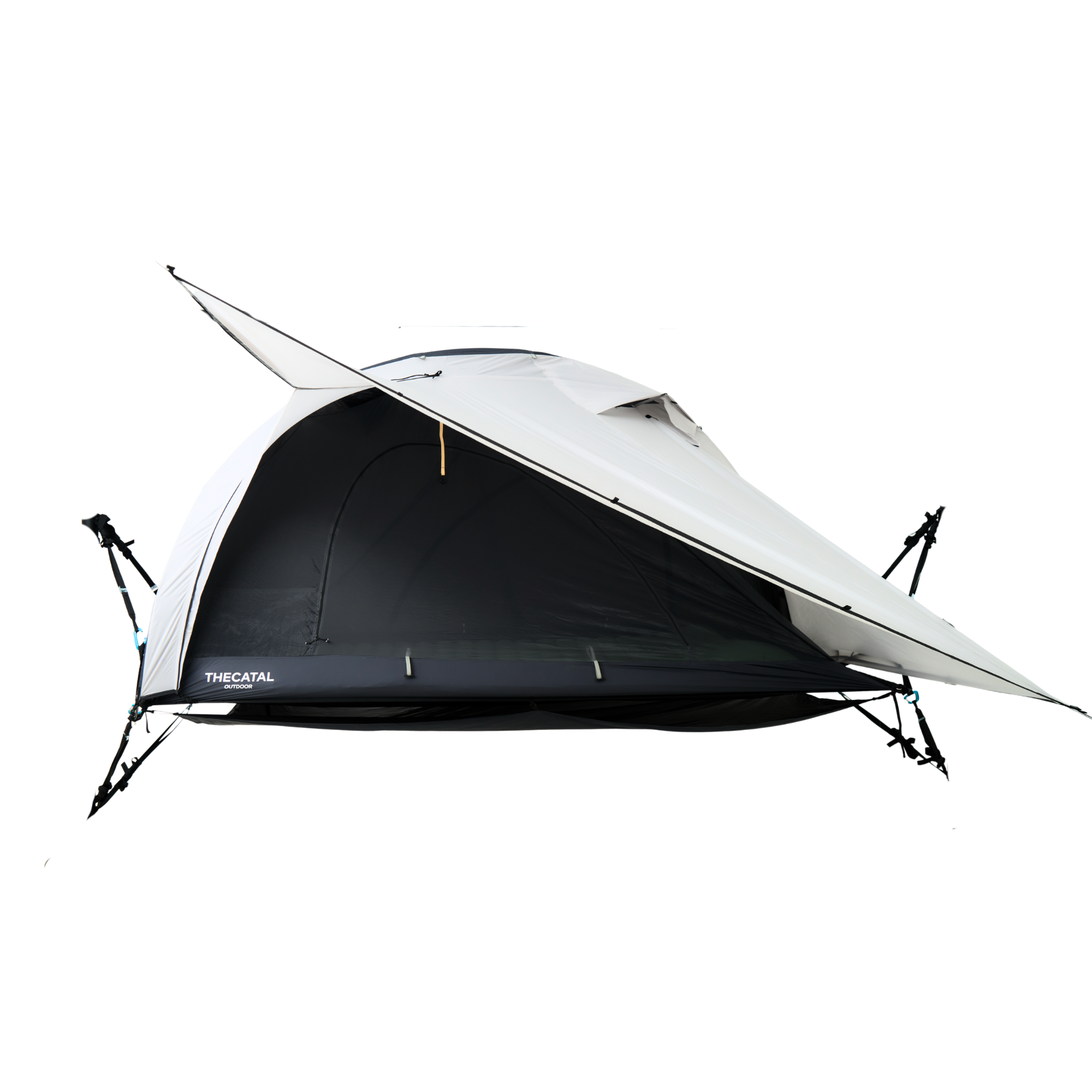
Transport and installation often fail from the same root: planning gaps lead to damage, delays, or unsafe anchors. Road width, load height, and crane access are topics that come first; without clear answers, schedules collapse. On projects at Yilan County’s coastal glamping sites I learned this repeatedly, and the practical lesson was simple — verify constraints before you move anything. For a clear reference on product specs, see thecatal outdoor and note how a proper outdoor glamping tent specification reduces guesswork.

Transport constraints to check right away
Start by confirming three measurements: packed dimensions, transport weight, and roof/overhead clearance. If the packed dome or bell is longer than a flatbed, it will need a permit and escort. Narrow mountain roads demand smaller trucks or modular packing. Ask the supplier for lifting points and center-of-gravity notes so drivers can secure the load. Bring photos of the access route; a single bridge or low wire can stop a job for the day.
Site preparation that prevents most installation problems
Ground assessment must not be overlooked. Test soil bearing with simple probes; loose sand and reclaimed fills behave very differently from compacted clay. Decide immediately if a timber platform, concrete pads, or screw piles are required. Leveling is not cosmetic—uneven bases stress frames and wear seams sooner. Reserve a clear work area for laydown, and mark anchor locations before the tent arrives. If utilities are needed, route them before anchors are drilled.
Installation: sequence and safety basics
Follow a strict sequence: unpack and inspect, assemble primary frame, attach membrane with temporary tension, set anchors, then finalize tension and seam seals. Use rated slings and pick points when lifting larger modules. Work in pairs for any overhead fastenings; one person holding while one secures avoids dropped tools and sudden load shifts. When wind exceeds the manufacturer’s recommended threshold, pause assembly and secure the structure to temporary anchors rather than fighting gusts.

Common pitfalls and how to avoid them
Underestimating anchor loads is the most frequent mistake. Calculate uplift for local wind exposure, then add a safety factor. Using hardware rated for shear only, where uplift is present, will fail. Another mistake: assuming groundworks are optional—skipping soil compaction or proper drainage leads to long-term settling and membrane rubbing. Finally, neglecting transport packaging: fragile connectors and zippers should have protective covers; otherwise small tears become large repairs after the first move.
Alternatives and decision points
Two clear paths appear for most planners: hire a professional rigging crew for single large domes, or choose modular kits that fit standard pickups. Professionals save time and liability when site access or crane lifts are involved; modular systems save cost and simplify permits on narrow roads. Prefabricated raised platforms cost more upfront but cut maintenance and anchor complexity. Evaluate by comparing total installed cost and repair exposure, not just sticker price.
Tools, permits, and team composition
Bring rated anchors, torque wrenches, scaffold or cherry-picker for working at height, and a compact compactor for small platforms. Check local permit rules for temporary structures and electrical hookups—some jurisdictions require inspection before occupancy. A competent team mixes one experienced lead installer, two technicians, and a logistics contact who manages transport times and site access. A single missing permit or an unavailable crane slot will create cascading delays.
Final synthesis: how to avoid the recurring problems
Reduce risk by answering the key questions early: How will it travel intact? Where will it sit and how will the ground behave? Who has the lift capacity and permits? Solutions are specific and procedural: assess access, confirm specs, prepare the site properly, and match installation method to constraints. For planners who value clarity and tested choices, THECATAL presents options and documentation that align with these exact priorities, making predictable outcomes more likely than improvisation.