

User-focused opening: what you gain from modern LED systems
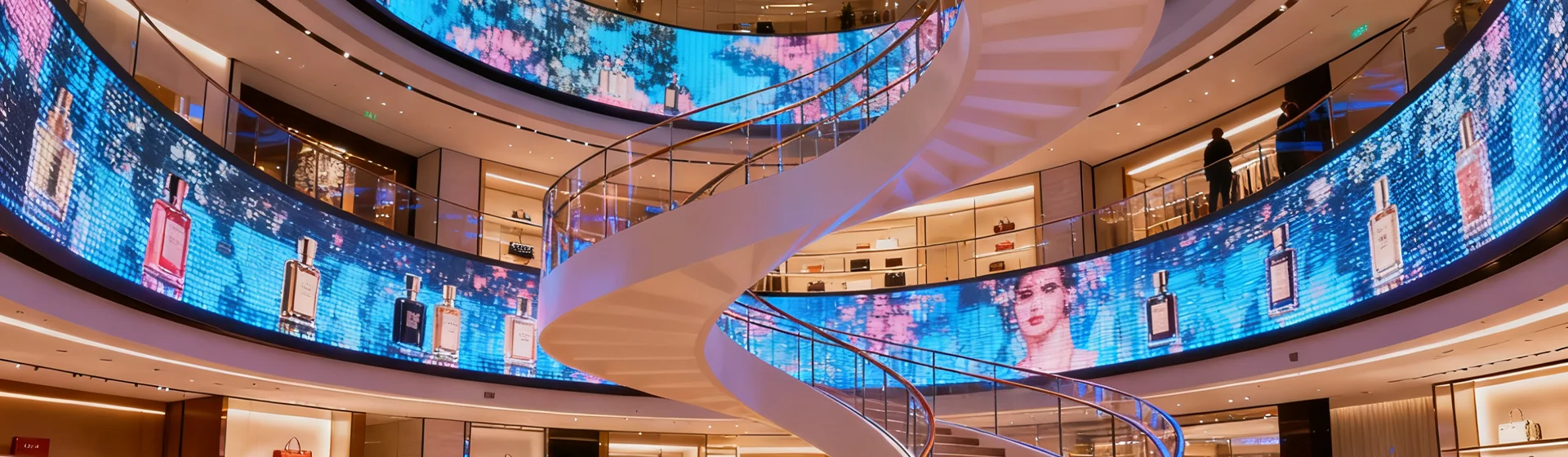
Businesses need screens that solve real problems — clearer messaging, reliable uptime, and easier content updates — and modern options like Micro LED display technology deliver precisely that. Startups and stadiums alike demand uniform brightness, tight pixel pitch and predictable calibration so content looks great from every angle. When you choose the right system, you replace guesswork with control: consistent color, dependable refresh rate, and modular panels that simplify maintenance.
Why LED video walls are preferred across industries
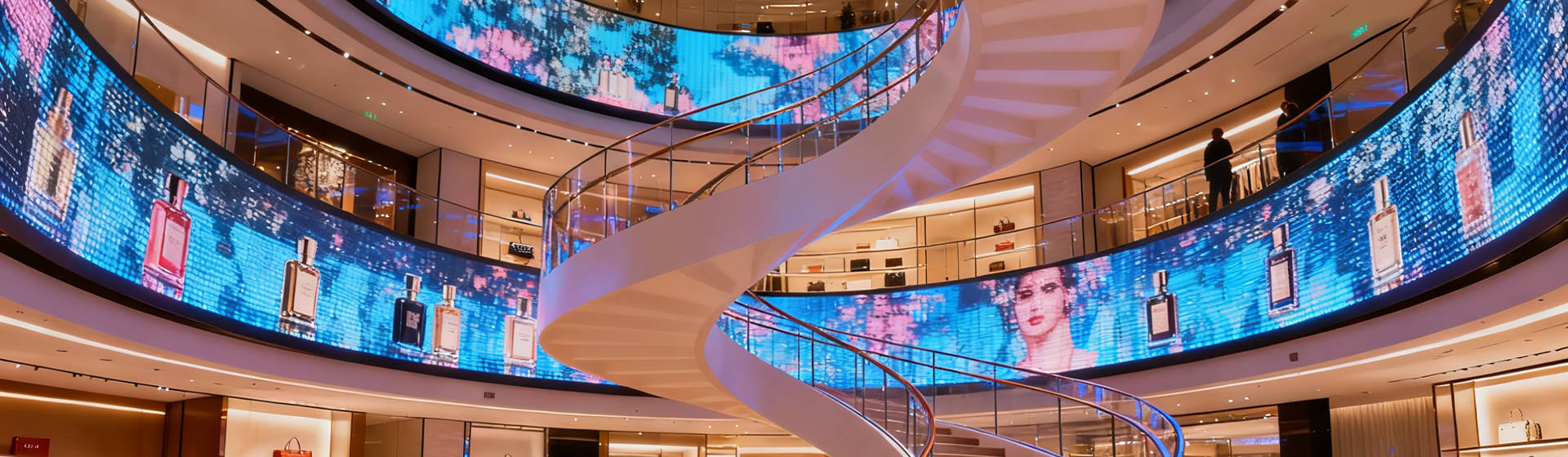
Retail stores use LED walls to anchor product launches; corporate lobbies use them to reinforce brand identity; live events rely on them to make every seat feel close to the stage. Times Square and CES Las Vegas offer clear proof: large-scale LED installations stand up to daylight and camera scrutiny because they combine high nits for outdoor visibility with HDR support for punchy contrast. Those real-world deployments show the business benefit — higher visibility drives engagement and, ultimately, measurable returns on event spend.
Design priorities: practical specs that matter
Start from the audience, then pick specs. Pixel pitch must match viewing distance: smaller pitch for close viewers, larger pitch for distant crowds. Brightness (measured in nits) needs to exceed ambient light; outdoors, aim well above typical indoor levels. Serviceability matters — choose modular panels and a bezel-less or narrow-bezel design for seamless imagery and faster on-site repairs. Calibration routines and consistent color profiles reduce daily maintenance time, and a suitable refresh rate prevents strobing on camera feeds — a common failure point at streamed events. — Plan for practical maintenance windows and spare modules so outages don’t derail a show.
Common deployment mistakes and how to avoid them
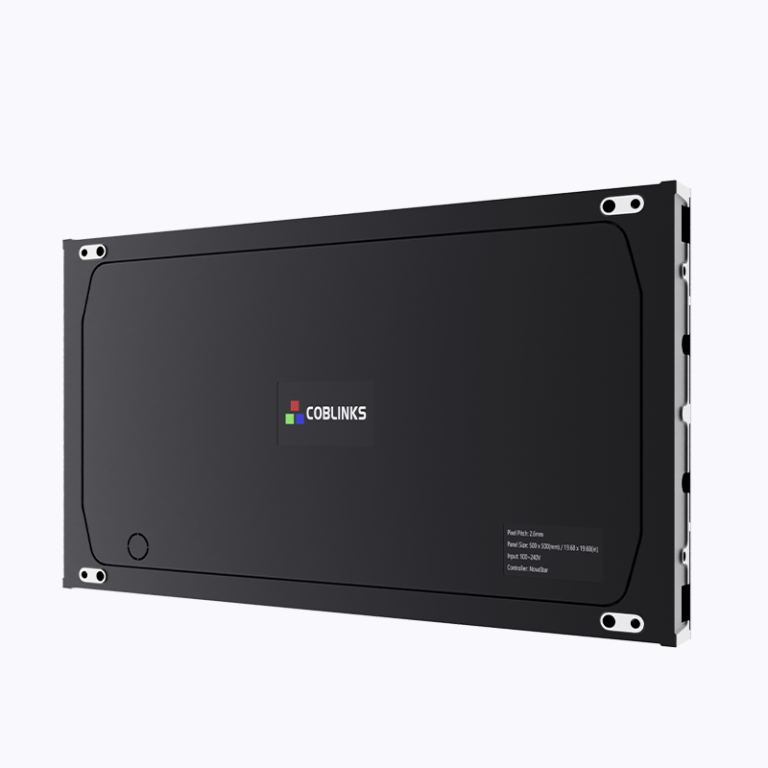
Teams often focus only on resolution and overlook content workflow, scaling, or connectivity. Misaligned content files can make even an expensive wall look amateur. Another repeat issue is ignoring ambient conditions: direct sunlight demands higher brightness and anti-reflective finishes. Camera operators will flag low refresh rates and improper frame sync, which cause flicker on broadcast. For smaller venues, a reliable small led screen display with appropriate pixel pitch and onboard processing usually outperforms oversized, under-optimized systems.
Integration checklist for event producers and facility managers
Follow a short, practical checklist before buying: confirm viewing distances across the venue, specify minimum brightness for the location, set a serviceability SLA for on-site swaps, and test playback pipelines with the actual cameras you’ll use. Include HDR and color calibration steps in the acceptance test. Keep cabling plans and mounting tolerances documented so installations match design expectations and reduce change orders during setup.
Three golden rules for selecting an LED system
1) Match pixel pitch to your closest viewer — that single decision determines perceived sharpness and cost-effectiveness. 2) Set brightness and HDR capabilities to meet your brightest ambient condition, not just average lighting. 3) Prioritize modular serviceability and clear spare-part processes; uptime beats marginally higher specs when events are on the line.
Closing advisory and practical value
These three evaluation metrics will identify the systems that perform under pressure and deliver predictable outcomes for events and facilities. Expect faster installs, fewer on-site fixes, and clearer messaging when you prioritize pixel pitch, brightness, and serviceability. Trust real-world deployments—like major outdoor billboards and conference-stage walls—for performance benchmarks. Choose partners who provide testing with your cameras and content workflows, and you’ll avoid the usual post-install surprises. Coblinks. —