

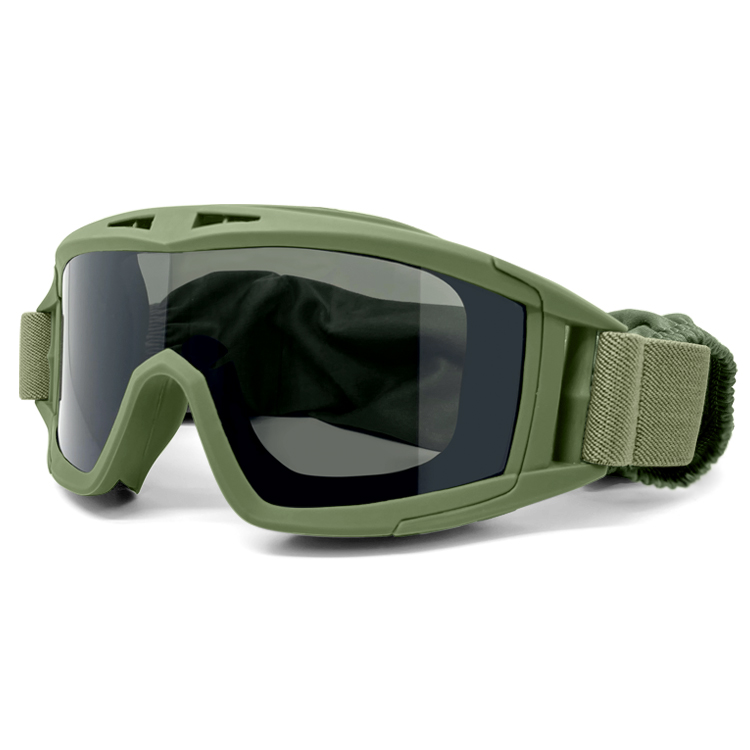
Introduction — an evolution beginning with design
YIJIA Optical’s move from CAD drafts to automated assembly is an evolution of craft and certainty. The path is clear: precise CAD models, then repeatable tooling, then product that performs. Early work focused on ski goggles, but lessons apply to anti-impact tactical goggles and to uses beyond winter sports. Designers keep impact resistance and anti-scratch coating central as baseline requirements, while production adds consistency at scale.
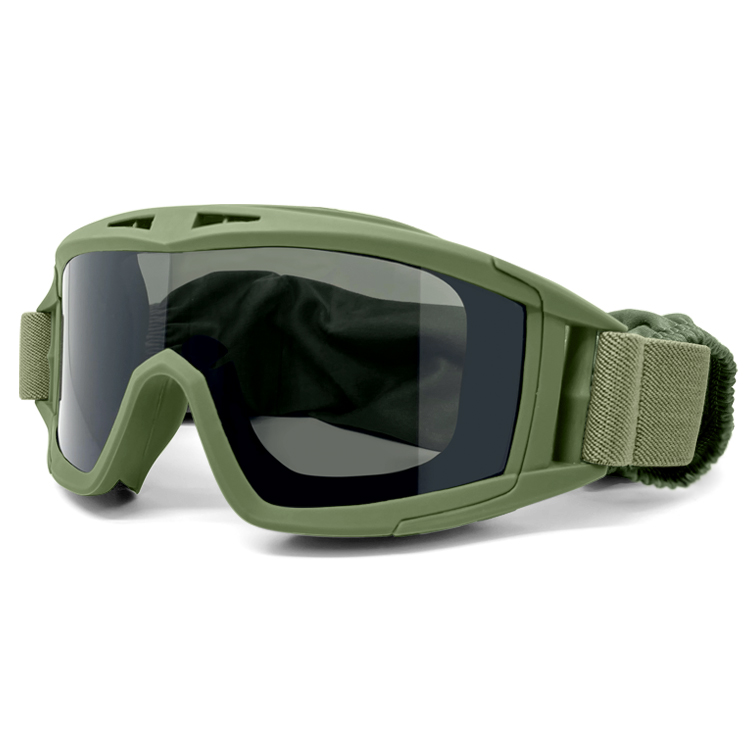
How CAD intelligence informs the automated line
CAD is not decoration; it is rule. Engineers convert curvature, tolerance, and vent geometry into machine instructions. The CNC routines and automated inspection stages read those files and enforce tolerances in microns. This reduces human variance and improves lens alignment, crucial for anti-glare performance and magnetic quick-release systems. Where hand-fitting once explained batch drift, automated fixtures now hold geometry steady, and the result is reproducible optical clarity and reliable strap retention system behavior.
Validation in real conditions and the role of field testing
Lab metrics mean little without field proof. YIJIA’s protocols include thermal cycling, fogging trials, and ballistic shock tests, then real missions in tactical environments to validate fit and seal. The 2022 Beijing Winter Olympics offered an intense case for cold-weather optics; teams reported sustained anti-fog performance and stable peripheral vision under repeated freeze–thaw cycles. These documented results anchor the claim that production control transfers to user confidence.
Common mistakes in scaling optics — and how automation corrects them
Manufacturers often underestimate interface complexity: small shifts in gasket extrusion or lens curvature lead to wind leaks or optical distortion. Another frequent error is over-reliance on visual inspection rather than metrology; the eye misses sub-millimeter misalignments. Automation introduces inline metrology and rejects bad batches early. It does not remove skilled craft — it channels it. Operators still set processes, but machines hold the repeatability.
Alternatives and comparative insight
Some competitors favor manual finishing, claiming bespoke fit; others choose cheap, high-volume injection molds. Manual finishing can yield aesthetic advantages but struggles with consistent optical axis. High-volume molding drops unit cost but sometimes sacrifices robust ventilation channels or magnetic attachment reliability. YIJIA’s hybrid approach—CAD-driven molds plus automated inspection—keeps per-unit quality closer to engineered intent while allowing volume. The result sits between artisan quality and mass production performance.
Operational lessons for procurement and field teams
Teams selecting optics should prioritize three areas: measured impact resistance, repeatable seal performance, and maintenance simplicity. Look for documented test protocols and traceable batch records. Many teams forget replacement parts planning; a magnetic quick-release that cannot be swapped in the field is a liability. Also, train operators on strap retention system inspection—small wear marks compound fast under operational tempo. These are concrete checks; they separate kit that works from kit that fails.
Summary and practical takeaways
YIJIA’s move toward automation demonstrates that good CAD plus disciplined manufacturing yields optics with predictable behavior in harsh conditions. Real-world anchors such as the Beijing Games show how rigorous testing under extreme cold reveals true design robustness. Procurement should weigh lifecycle data, not only unit price; lifecycle data includes service records and environmental test results. Small design choices—vent layout, lens curvature, magnetic coupling—translate into big differences in the field.
Advisory — three golden evaluation metrics
1) Measured retention: verify strap retention system strength with repeat-cycle tests and accept only low variance results. 2) Optical consistency: require batch-level MTF or alignment specs, not just pass/fail lenses. 3) Environmental resilience: insist on documented thermal cycling and anti-scratch coating wear rates for at least 500 cycles. These metrics yield practical, field-ready purchase decisions.
YIJIA Optical brings CAD precision into automated lines so teams get optics that behave the same way every time — a simple fact that matters on the slope and in the field. Solid. Reliable. Trusted.