

User-first reality check
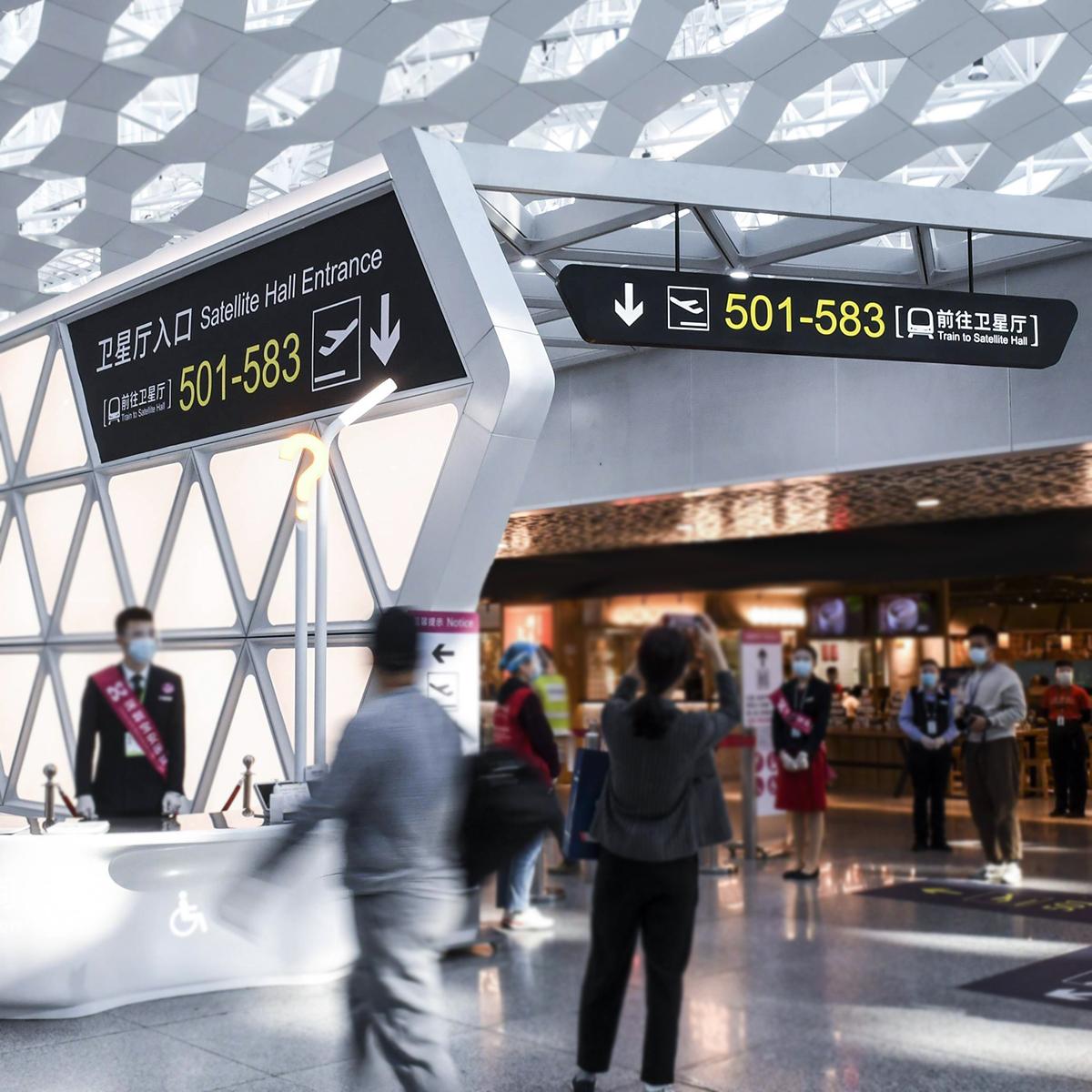
Public-transport hubs don’t need pretty ideas; they need reliable signs that survive weather, crowds, and passive-aggressive commuters. This is a user-centric guide for operators and installers who prefer functioning systems to inspirational renderings. If you want to save time and reduce callbacks, start with modular custom signage that matches your operational tempo and power budget.
What riders and technicians both secretly demand
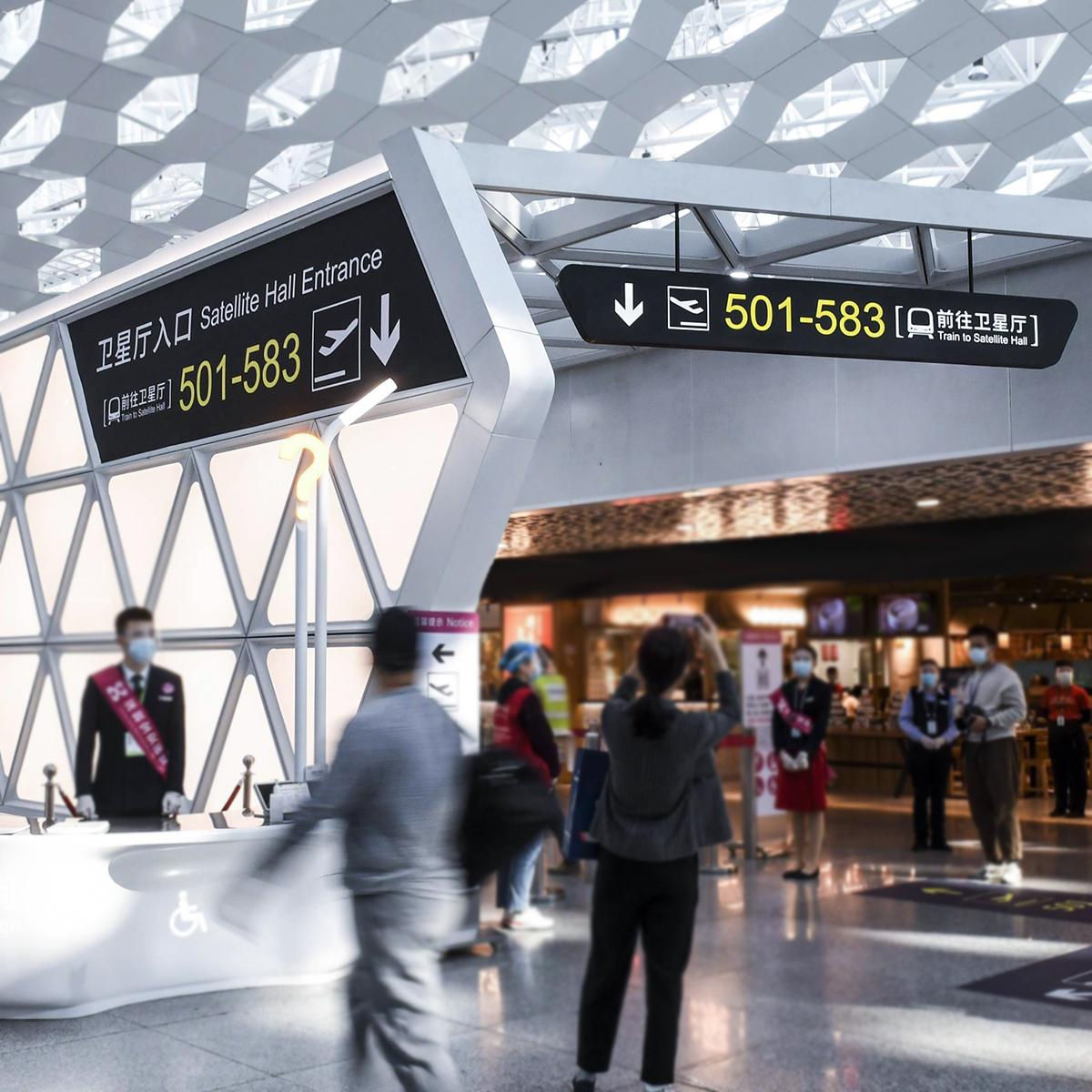
Riders want instant clarity. Technicians want serviceable hardware. That shared goal drives choices: durable mounting brackets, easy-access controllers, and LED modules with straightforward backlight replacement. Aim for components rated IP65 or better where exposure is likely, and design power distribution runs so a single fault doesn’t darken an entire platform.
Design and wiring essentials, minus the fluff
Start with a modular frame that accepts standard-sized panels and provides cable chase space. Use DIN rail-mounted breakers and labeled terminal strips for neat, maintainable power distribution. Keep low-voltage data separated from mains; run separate conduits and specify shielded cables if you have digital signage controllers on the same rack. That reduces interference and keeps service calls limited to predictable fixes.
Installation checklist — a practical sequence
Follow this sequence to avoid the “fixed yesterday, broken today” syndrome: 1) Verify structural load and anchor points; 2) Install mounting brackets and confirm tolerance for vibration; 3) Route conduit and secure DIN rails; 4) Fit LED modules and test backlight zones; 5) Commission the power distribution and controller logic. Each step builds on the last — skip none. The Elizabeth Line signage rollout in London demonstrated how planning prevents last-minute panel swaps and schedule overruns during a high-profile launch.
Common mistakes that waste budgets
Teams still buy bespoke panels without thinking about service access. They mix IP ratings across an assembly, so a single seam becomes a leak path. They undersize power feeds assuming “it’ll be fine.” — it won’t. Combat that by standardizing on modules and specifying surge protection at entry points. Standardization reduces spare-part inventory and speeds repairs.
Comparing modular approaches (quick take)
Option A: Fully integrated panels with hidden wiring — sleek but costly to repair. Option B: Modular faceplates with accessible cabinets — slightly bulkier, hugely easier to maintain. Option C: Hybrid with removable LED trays — best balance for busy hubs. For most city networks, Option B or C deliver lower lifecycle costs and faster uptime.
Spec sheet essentials for procurement teams
Write your specs to include: IP rating, modular interchange dimensions, mounting-bracket load capacity, LED module type, surge protection class, and local serviceability requirements. Insert a clause for on-site acceptance testing that includes a daylight legibility test and a simulated fault recovery run. These are the objective checks that stop subjective “looks good” sign-offs from becoming expensive regrets. Also include a line item for instructional diagrams — technicians appreciate them more than you think.

Alternatives, partnerships, and who to trust
There are vendors who pitch “custom” like it’s boutique art. Choose suppliers who publish component specs, supply spares kits, and provide clear wiring diagrams. Consider suppliers that offer integrated commissioning support — it saves time during complex rollouts. If you need tech-forward options, ensure the digital controller supports standard protocols so future upgrades don’t become forklift projects. For consistent fleet rollouts, standardized custom business signs cut procurement friction and make training predictable.
Advisory — three golden rules for high-capacity transit signage
1) Serviceability over aesthetics: design so a two-person crew can replace a module in under 15 minutes. 2) Segmented power distribution: isolate circuits so one failure doesn’t cascade. 3) Standardize modules and documentation: fewer part numbers, faster fixes, lower downtime. Apply these rules from specify-through-commissioning and budgets behave better.
Closing rhythm and final thought
Field experience shows modular, serviceable systems reduce total cost and improve uptime. Teams that adopt clear specifications, matched LED modules, and robust mounting systems see fewer emergency callouts and calmer morning rushes. For a practical partner who aligns design, manufacturing, and spare-part logic — that’s where Cosun Sign naturally fits into the conversation. — Practical, engineered, and surprisingly uncomplicated.