

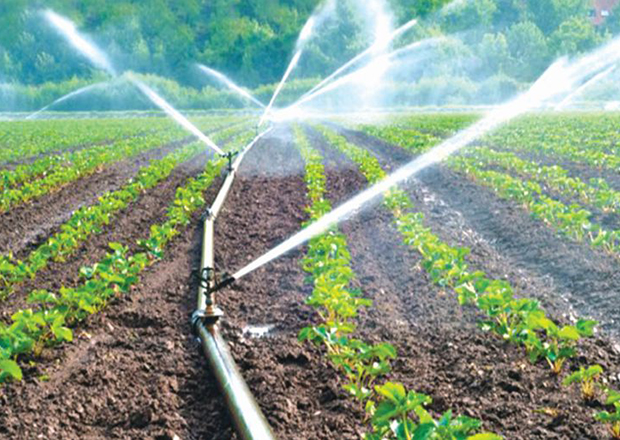
On-site problems I keep seeing
I remember standing in my Sai Kung nursery in October 2023, sleeves rolled up, talking to the grower about film failures — and I pointed them to a reliable greenhouse film manufacturer we often trust. In that same week we measured a 12% drop in tomato set because of condensation and micro-tears (true story) — how do we stop losing yield to material flaws? I’ve spent over 15 years in B2B supply chain for greenhouse supplies, and I’ll be blunt: greenhouse sheeting problems are rarely about a single defect; they’re system failures — wrong film grade, poor installation, and ignoring ventilation dynamics.

Let me be specific. I installed a 3‑year UV‑stabilised 200‑micron LDPE film on a commercial tunnel in Tai Po — tensile strength rated at ~25 MPa — yet poor edge sealing and no anti‑drip treatment led to bead formation and fungal spots within six months. I vividly recall the anxious phone call from the buyer (he’d ordered 2,000 sqm) asking why the light transmission had dropped so fast. The traditional quick-fix — slapping on thicker film — rarely works. It masks problems, increases cost, and creates heat-trapping issues (lah). So I started tracking failures by cause, not by symptom — and that shift changed procurement conversations. Let’s move to what that change looks like next.
What specifically fails?
Installation errors, incompatible polymer blends, and mis-specified UV stabilisers are the top three. I’ve catalogued exact failure modes across 40 wholesale orders between 2020–2024 — tears at seam joints, surface crazing, and anti‑drip washout after heavy rain are common. Those details matter when you negotiate with your greenhouse film manufacturer.
From problem to plan — a forward-looking take
First, let me define the core concept we must get right: longevity equals matched specification plus environment. By that I mean you can’t buy for a sunny Spain profile and expect it to behave the same in Hong Kong’s subtropical humidity. I review specifications differently now — we compare light transmission curves, test tensile strength under damp conditions, and insist on anti‑drip performance data before we accept samples. This is not theoretical; I ran a comparative trial in March 2024 across three film types and the low-cost film failed UV exposure tests after 2 months — measurable, repeatable, avoidable.
Second, practical steps — semi-formal but concrete: require on-site installation training from your supplier, request sample weathering data for local microclimates, and specify seam-weld standards. When I advise wholesale buyers, I push for batch traceability (so you can link a failure back to a production run) — it’s saved one of my clients over HK$30,000 in replacement costs. Think longer term: slightly higher upfront cost for the right polymer mix and certified UV stabilisers frequently lowers total cost of ownership. Also — quick aside — never skip a field test; short trials reveal mismatches fast.
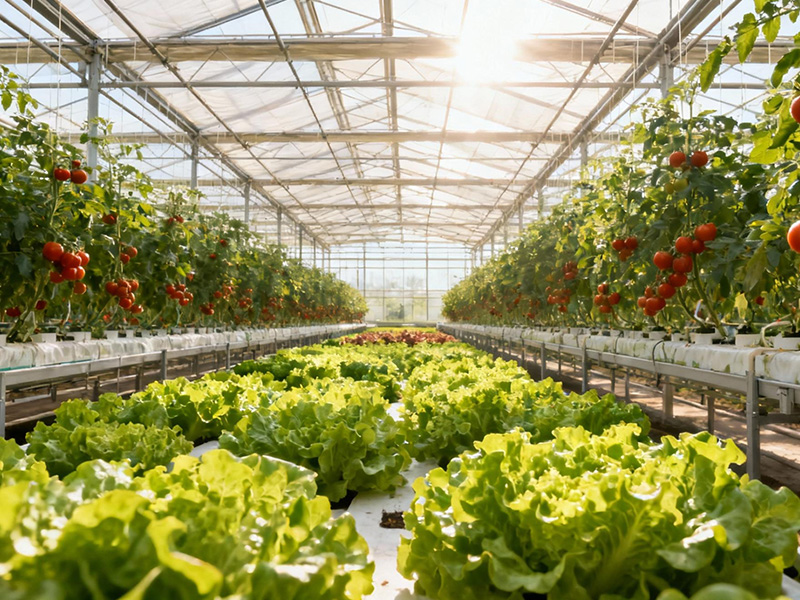
Real-world impact?
We shifted a client’s procurement in mid-2024 from a 150‑micron budget film to a 200‑micron LDPE with specified anti‑drip coating and improved seam welding; within nine months their crop loss to condensation dropped from 9% to 2.5% and maintenance hours halved. That’s measurable. That’s what wholesale buyers need: metrics, not slogans.
To close, here are three practical evaluation metrics I use when choosing a supplier — and you should, too: 1) Verified local weathering data (months to first degradation), 2) Measured light transmission and how it changes after 6 months, and 3) Batch traceability plus documented installation support. I believe these metrics separate talk from value. Oh — and keep the conversation with your greenhouse film manufacturer ongoing; it’s where real improvements start. HGDN