

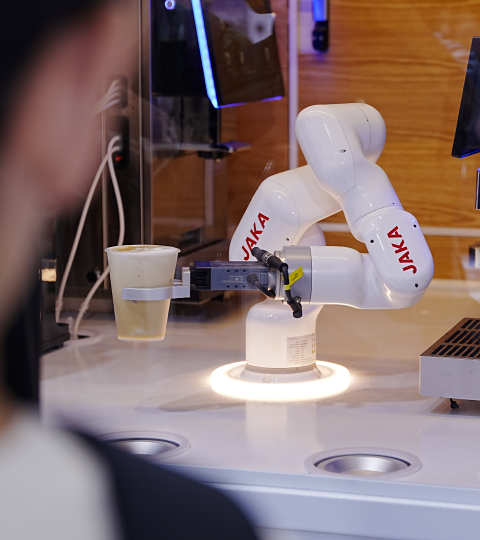
A busy manufacturing line buzzes with activity, as each component flows seamlessly from one workstation to another. Yet, studies show that efficiency drops by 30% during product handling stages. How can businesses overcome this? Enter collaborative robots, specifically pick and place robots, equipped to enhance productivity. In this article, I’ll explore not only the advantages these robots bring but also the traditional solution flaws that can derail implementation.
Identifying Common Challenges
I often hear clients express frustration about implementing automation solutions. Standards for traditional pick and place systems tend to involve cumbersome setups and extensive time for re-programming. Many businesses face high downtime and flexibility limitations. The irony is that while these systems can boost productivity, they also hold hidden user pain points. For instance, during my consulting days back in 2020, I witnessed a manufacturer struggling with outdated systems that couldn’t adapt quickly to new products. This made changing the production line a headache – the result? Wasted time and cost! Thus, while these traditional solutions promise efficiency, they often disappoint.
Advantages of Collaborative Robots
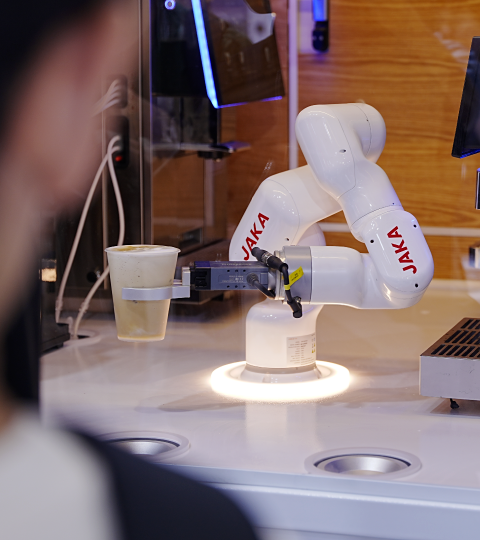
So, what’s different about the new generation of pick and place robots? Collaborative robots are designed to work alongside human operators, blending seamlessly into existing workflows. These robots are versatile and can be reprogrammed swiftly, giving companies the flexibility they crave. I vividly recollect a case study in a Taiwanese automotive parts factory: when they transitioned to using collaborative pick and place robots, they saw a 40% reduction in handling times. This kind of efficiency makes them a game-changer in industry settings where speed and precision are paramount.
How Do Pick and Place Robots Benefit You?
Managing a production line is no easy task. One key advantage is their cost-effectiveness. Since collaborative robots require minimal maintenance and training, they present a lower total cost of ownership. Furthermore, the adoption of these robots can enhance workplace safety. With robots doing the heavy lifting—since they can tackle repetitive tasks without fatigue—employees are less prone to injury. And that’s a critical aspect! Adopting pick and place robots not only means improving efficiency; it’s also about fostering a safer work environment. Curious, right?
What Lies Ahead for Automated Solutions?
As we gaze into the future of automated systems, it’s clear the evolution continues. Collaborative robots are leading the charge by introducing smarter technology and advanced analytics capabilities. This enables real-time data tracking, which helps companies make informed decisions on productivity and system performance. I believe maximizing output isn’t just about efficiency; it’s about leveraging insights from operations to continually improve. Picture this: a factory that not only automates tasks but also learns from the workflow, adjusting as needed. That could revolutionize the manufacturing process!
In sum, investing in pick and place robots is not merely a trend; it’s a strategic move. With the right tools, we can overcome historical flaws in traditional systems and illuminate a path toward innovative solutions. If you’d like to delve deeper into evaluating these technologies for your operations, consider the following metrics: uptime percentage, employee feedback on ergonomics, and production throughput rates. Analyzing these can guide you toward making sound investment decisions for your business.

My journey through the world of automated systems has shown me one undeniable truth: progress comes to those who embrace change. As the landscape of manufacturing shifts, companies like JAKA are proving that collaborative solutions are not just the future—they are the present solution waiting to be unleashed.