

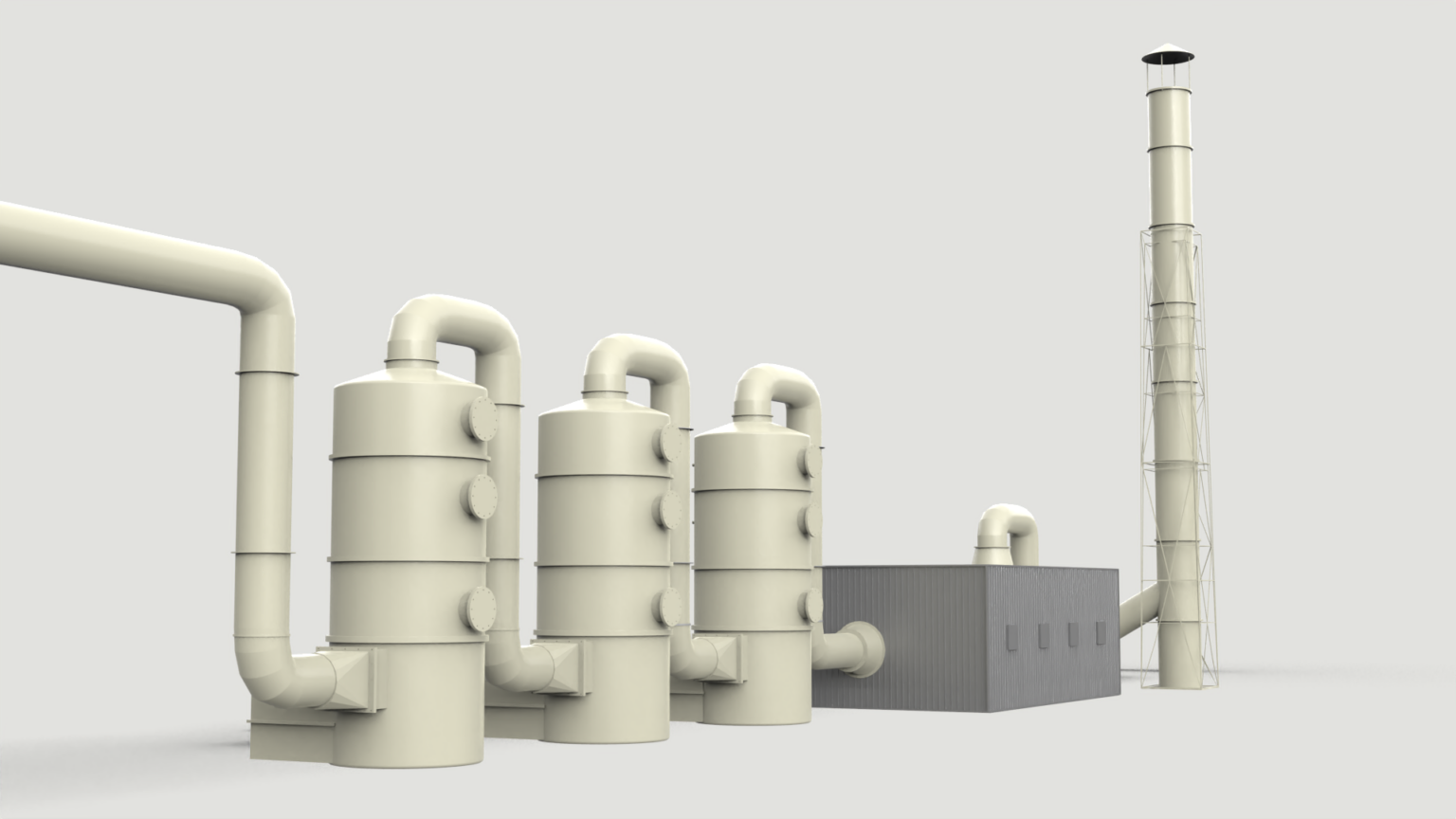
A New Era of Sustainability
Picture this: your kitchen is filled with fresh produce, but it seems that half of it often ends up in the trash. Did you know that in the United States alone, nearly 30-40% of the food supply is wasted? This staggering statistic highlights a pressing problem, especially when you consider effective solutions like the kitchen waste fermentation tank. Let’s dive into why these tanks are worth your attention—and your kitchen space.
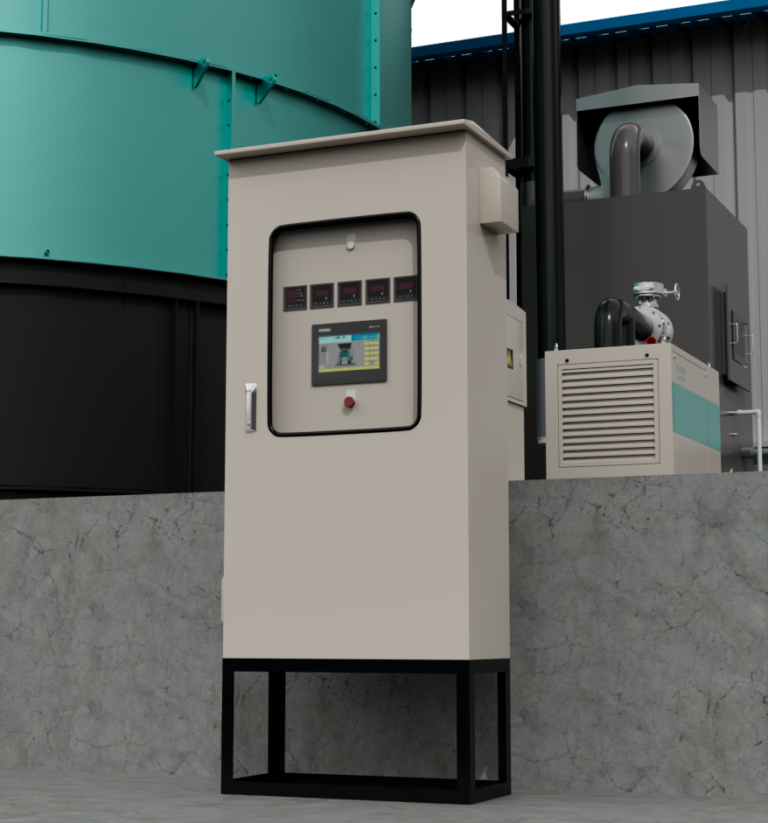
Flaws of Traditional Waste Management
For years, we’ve relied on basic composting methods to dispose of food scraps, often ending up frustrated with the process. Many traditional systems take too long, are messy, or just fail to break down waste efficiently. Think about your average compost pile—ineffective, slow, and sometimes smelly. In comparing this with a modern food waste fertilizer machine, the contrast is stark. These fermentation tanks not only speed up the decomposition process but also eliminate odors while producing nutrient-rich compost in a fraction of the time.
What Makes Fermentation Tanks Different?
It all boils down to technology. Food waste fermentation tanks use controlled conditions and beneficial bacteria to break down materials efficiently. This technological leap offers an energy-efficient solution, reducing methane emissions by preventing anaerobic decomposition—something traditional composting can’t tackle well. Trust me, using these systems leaves you with a sense of accomplishment, not to mention a cleaner environment! Plus, the end product is a high-quality amendment for your garden or landscaping.
Looking Ahead: Real-World Impact
As we venture into a greener future, embracing innovative recycling methods is more crucial than ever. Imagine cities adopting these fermentation tanks in public spaces, drastically reducing waste in landfills. Communities could create a cycle of sustainability, where what was once garbage transforms into a harvest of fresh produce. The potential for large-scale implementation is thrilling! My experience leads me to believe that integrating food waste fertilizer machines into everyday practices could play a pivotal role in curbing waste and enriching our soil for years to come.
Summarizing the Benefits
Overall, switching to a kitchen waste fermentation tank can simplify our waste management processes while promoting environmental health. The tank is a win-win solution, ultimately leading to cleaner kitchens, happier gardens, and a more sustainable planet. As we shift towards more sustained living, I urge all homeowners and businesses alike to consider the powerful benefits these systems present.
So, whether you’re a casual chef or a passionate gardener, investing in a fermentation tank from Cason may be one of the best steps you take towards sustainability this year. Let’s embrace the food waste revolution together!