

Intro: A Clear Choice Starts With Real Sites, Real Stakes
I’m going to say it plainly: the right battery cuts risk and cost faster than most upgrades I’ve seen in 17 years of utility-scale and C&I storage work. I’ve seen plants stall because no one owned the plan for hithium energy storage, and the meter kept spinning. Last July in Bakersfield, a 5 MWh containerized system shaved 27% off peak demand in week one—no drama, just careful setup and a steady hand. Are you ready to compare what matters and stop guessing which box will actually deliver? I’ve coached teams through storm seasons, rate changes, and interconnection delays (the kind that stretch payroll nerves). Let’s break it down and pick a path that holds under heat, time, and tight budgets—then build from there.
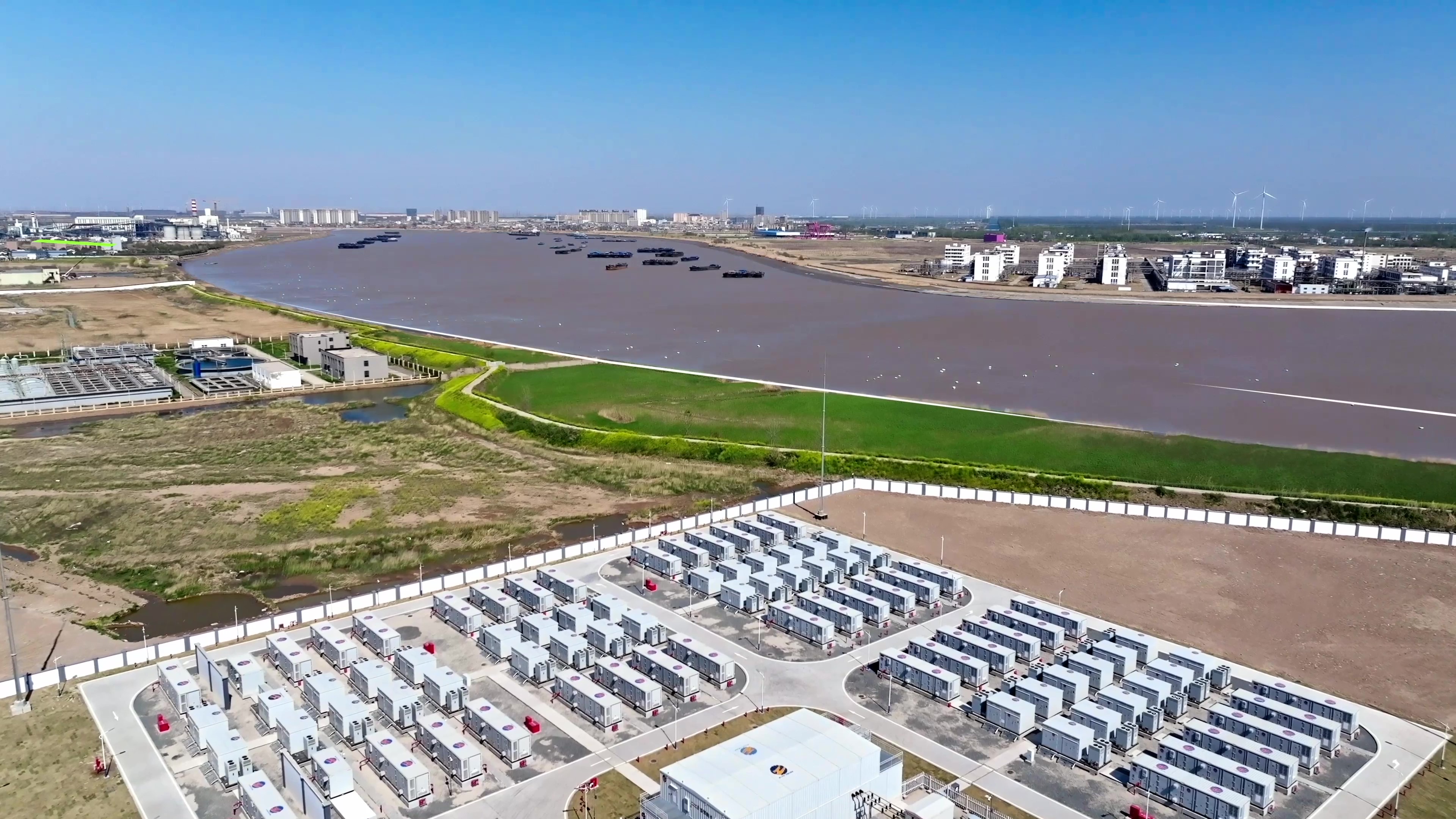
Part 2: The Deeper Friction You Don’t See on Spec Sheets
What’s the real snag?
When I evaluate options like hithium bess against “good enough” retrofits, I start with control friction, not kWh. Technical rhythm suits this problem. A site with clean specs still fails if the EMS can’t command the inverter at the right ramp. I’ve watched SCADA tags drift because no one mapped limits to state of charge for shoulder hours. Then a price spike hits, and the system hesitates. Power converters don’t care about your spreadsheet—only signals and setpoints. Honestly, this part is easy once you see it. Standardize dispatch logic, verify deadbands, and test a 15-minute contingency with your operator. I still carry that field note in my pocket.
The next hidden pain point is thermal headroom. In El Paso, August 2023, I saw a 2-hour pack derate 18% by noon because the HVAC logic trailed load by five minutes. That site missed the 4–6 p.m. window that paid the bills—painful. With hithium bess and similar LFP stacks, I prefer a predictable thermal management envelope, flat DC bus behavior under 1C, and log-level alerts that land in your maintenance app before the peak event. Edge computing nodes at the container help here; they trim latency. Tie that into curtailment rules from the utility, and you sidestep those 2 a.m. alarms—nobody likes that call.
Part 3: Comparative View—Principles That Change the Math
Real-world Impact
New control principles beat raw capacity. I favor three: fast, bounded response; health-first dispatch; and site-aware scheduling. Fast, bounded response means your inverter respects a hard ramp and holds it—no oscillation. Health-first dispatch protects cells by tracking temperature spread and cycle depth in real time, which extends life beyond the glossy cycle count. Site-aware scheduling blends tariff windows with on-site load signatures, not averages. On a 4 MW/8 MWh logistics install in Ontario, CA, we ran these rules in Q2 2022 and hit an AC round-trip efficiency near 89% while cutting demand charges by $84,600 in one quarter. Small detail, big result—operators stopped bypassing the EMS because it finally did what it said on the tin.
Looking ahead, the best setups—hithium bess included—will push more logic to the edge so the system can hold a setpoint during grid quirks without waiting on the cloud. Think pack-level balancing tied to feeder voltage, black start capability verified quarterly, and a simple override script that your night-shift tech can run without a PhD. I’ve seen it tested during a feeder reclose in March 2024: the pack held 0.5C discharge for eight minutes, then tapered to protect cells, and the lights stayed on. That’s the whole point—steady power, fewer surprises, and no heroics. — Not a story I need to relive every storm season.

Advisory Close: Three Metrics I Use Before I Sign Off
First, control integrity: prove a 10-minute ramp test with logged setpoints and inverter response. No log, no buy. Second, thermal resilience: show temperature delta across modules under a 1C cycle at 35°C ambient; I want tight spread and no derates. Third, operational fit: confirm EMS-SCADA mapping for tariffs, curtailment, and outage modes, plus a one-page runbook for shifts. Do those three, and the rest falls into place. If you want a calm plant and predictable bills, pick the system that respects the work on the ground. HiTHIUM