

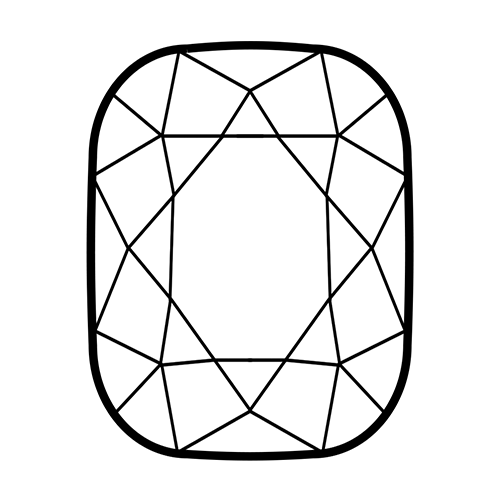
Introduction: A Clear Way to Compare What You Care About
Start with a simple scene. Two people at a small table, light from the window, and a few ring trays that all look alike until you know what to look for. Many couples now choose lab created diamond wedding rings to match values and budget. The numbers tell a shift: surveys show most new buyers compare sustainability and price, alongside fire and brilliance, before they decide (real talk, they want proof). When you search for unique wedding rings for women, the options seem endless, yet the specs can feel hidden in fine print. So, how do you compare stones and settings with more signal and less noise—without a gemology degree?

Here is the technical core. A lab-grown diamond uses a known process, like CVD or HPHT, which gives measurable results in cut symmetry, fluorescence, and polish grade. That means better benchmarking per ring. It also means you can read a report, not guess. Still, people miss key checks because the data looks cold on paper. Why is that, and how can you fix it? Let’s move to the silent gaps buyers face, and how to close them fast.

Deeper Layer: The Quiet Friction Behind “Unique” Choices
What actually makes one ring feel personal?
Here is the direct part. “Unique” is not only shape or halo. It is how the stone handles light, how the setting balances wear, and how the piece fits skin tone. When you browse unique wedding rings for women, the hidden pain points show up later: the ring spins because the head is heavy; the pavé snags fabric; the diamond looks dull in warm light. Look, it’s simpler than you think. Check three things that most skip. First, cut precision. Ask for the ASET image or hearts-and-arrows to see light return, not just a “Excellent” cut grade. Second, metal ergonomics. A shallow euro-shank or balanced head reduces spin—small change, big comfort. Third, fluorescence behavior. Medium blue can look icy under UV and cozy under soft LEDs. That is a feature, not a flaw, if you plan for it.
Another layer hides in process terms. HPHT-grown stones can show different inclusion patterns than CVD. That affects clarity under magnification, not daily beauty—funny how that works, right? Girdle thickness and table percentage change how a 1.00 ct faces up on hand. Translation: you can get presence without chasing higher carat weight. The fix is a simple checklist. Read the lab report, match it with a real light map, and try a comfort-fit band with a low-set center. Data first, then feel. Both matter.
Forward-Looking: New Principles That Make Comparing Rings Easier
What’s Next
Now for a future-facing view, in a technical tone. New grading tools use spectral analysis and inclusion mapping to show how a lab stone will perform across lighting types—daylight, office LEDs, evening spots. Combine that with cut symmetry metrics and you get a practical forecast of sparkle, not just theory. Add traceability. Blockchain-ledger IDs and laser inscription link the stone to its growth batch and post-processing steps. This helps pair a bright CVD stone with a low-profile setting or a classic gold wedding rings band without guesswork. Side benefit: you can compare two “Excellent” cuts and see which one returns more red in ASET, which often reads as stronger fire to the eye. Small numbers, big difference.
Let’s pull it together and keep it useful. We learned that “unique” often hides in cut behavior, wear comfort, and light response, not just a rare shape. We also saw how new tools make these things visible—fast. To choose well, use three metrics. First, optical performance: ask for ASET or hearts-and-arrows plus pavilion angle data. Second, durability-in-wear: check prong architecture, girdle protection, and shank balance. Third, context fit: test the ring in mixed lighting and with your daily textures, like knits or gloves—yes, real life. Then compare those findings across two or three candidates, including one paired with a classic gold wedding rings band for a baseline. You will see the right ring stand out—almost obvious, once the data is clear. For steady guidance that respects both numbers and taste, look to Vivre Brilliance.