

Introduction: Real Talk Before the First Drop
Picture this: you’re in the waiting room, phone in hand, scrolling through before-and-afters while a nurse calls names. You’ve been hearing about breast injection fillers on TikTok, group chats, even in the salon. Folks say it’s quick, it’s subtle, and it’s “no downtime.” You’re also reading up on filler for breast choices and wondering which one actually holds up. Recent clinic reports say most people want lift, shape, and safety first; cost and recovery come right after. But here’s the kicker—do the popular options really match your body, your goals, and your calendar? (Not just the vibe.) And if the hype is big, is the science bigger? We gotta ask better questions, y’all—funny how that works, right?
Let’s set a baseline and compare what matters: material behavior, placement strategy, and how your body responds over time. Stick with me. We’re about to break it down and keep it plain.
Where Traditional Paths Fall Short
What’s going wrong?
Let’s be direct. Older playbooks leaned hard on volume alone—more milliliters equals more curve. But real talk: volume without control can mean drift or uneven texture. With breast tissue, gravity, motion, and warmth add stress. If the gel’s rheology isn’t right—think G-prime (elastic modulus) and viscosity—you may see spread or pooling over months. Some products with low cross-linking density feel soft but won’t hold shape; others are too firm and don’t blend. Look, it’s simpler than you think: if a filler can’t match the tissue’s mechanical profile, it fights the body instead of flowing with it.
Hidden pain points show up later. Injection plane confusion (too shallow or too deep) increases contour rippling. Skipping ultrasound guidance can miss micro-bleeds or high-risk vessels. If the gel isn’t cohesive enough, it may migrate under stress from sports bras and side sleeping—tiny shifts that add up. And if the carrier isn’t optimized for iso-osmolar balance, you might feel avoidable swelling. Translation: not all “breast fillers” are built for the breast’s job. You want predictable lift with minimal edge visibility, not a buoy that wanders when you run errands.
What’s Next: Principles That Actually Scale
Real-world Impact
Forward-looking systems start with material science, not marketing. For breast contours, you want a gel with tuned cohesivity and shear-thinning behavior: it moves through a microcannula, then sets with a supportive G-prime to resist flattening. That balance reduces migration risk and protects shape under daily load. Add a formulation with smart cross-linking density, and you get a contour that’s soft at rest yet stable when compressed by clothing. Technical note: matching the filler’s viscoelastic profile to the intended plane—subglandular vs. subcutaneous—matters more than chasing volume. Also key is ultrasound mapping before the first pass, with slow, linear threading to avoid bolus pressure spikes. It’s the small things—needle-to-cannula swaps, lidocaine buffering, aspiration checks—that stack up to safer sessions.
On the workflow side, compare old “fill and hope” methods with protocol-driven breast filler injections. The newer approach leans on imaging, measured vectors, and staged sessions. Think of it like building a bridge: you test the load, then add spans, not dump cement and pray. Clinics that chart rheology specs, document injection planes, and follow a two-visit plan often report smoother contours and fewer revisions (because control beats improvisation). Different energy, same goal. Better data, better shape—funny how that lines up.
Bottom line, we learned the old “more is more” mindset misses how the breast actually behaves. The smarter path weighs gel behavior, tissue mechanics, and guided placement. So, how do you choose in real life?
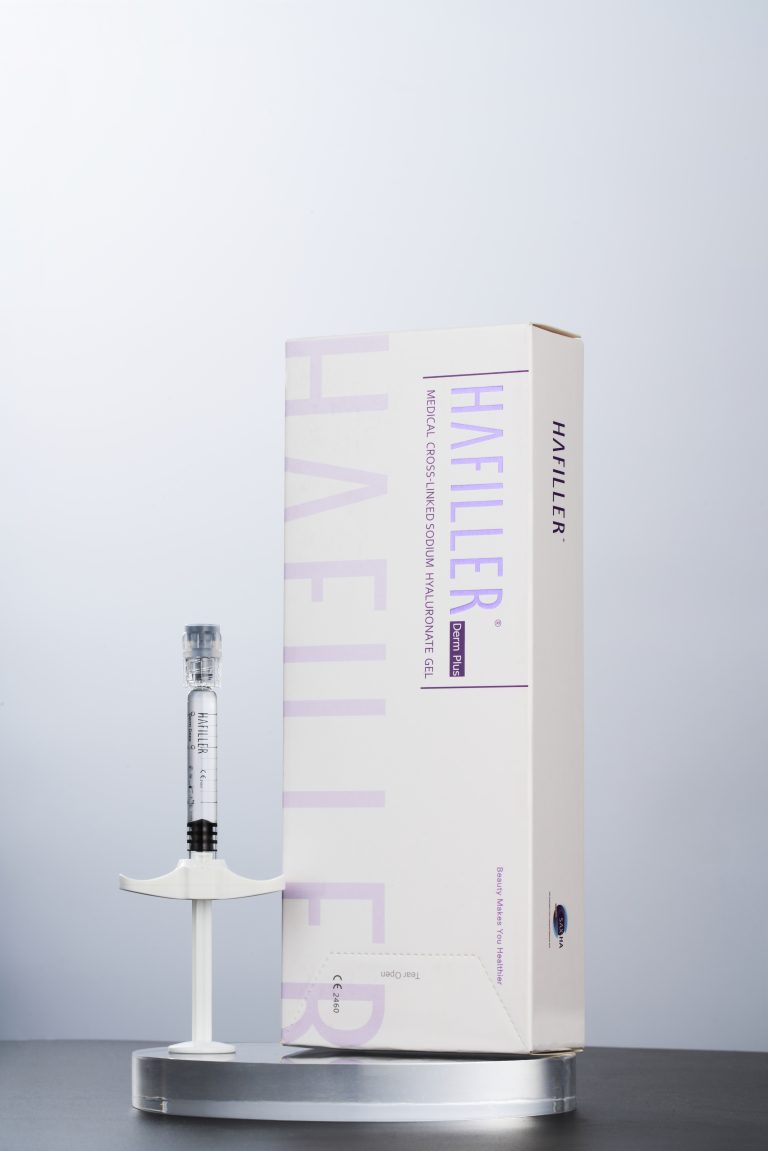
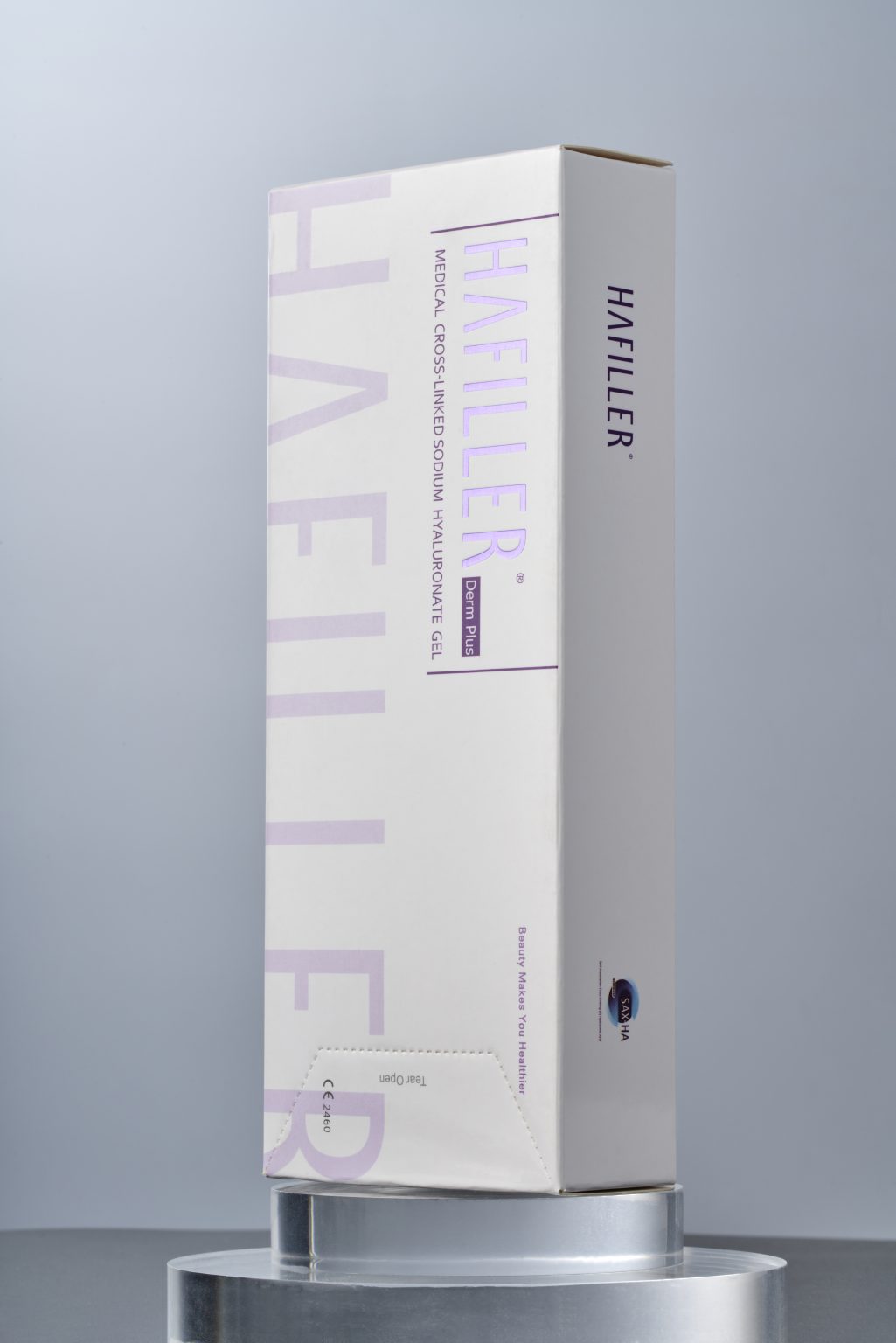
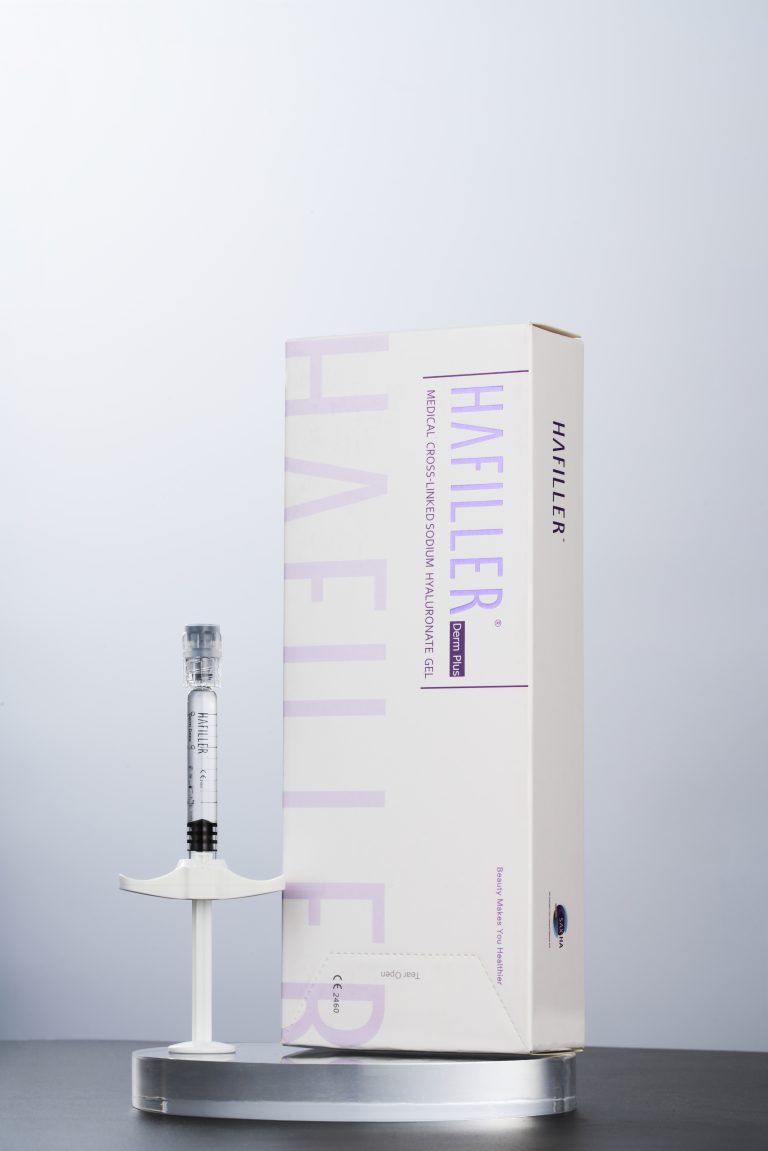
Advisory close-out—three metrics to compare before you book: 1) Material metrics: know the G-prime, viscosity, and cohesivity targets; ask how cross-linking density supports vertical lift. 2) Imaging and technique: confirm ultrasound guidance, microcannula use, injection plane, and slow linear threads. 3) Follow-up plan: staged dosing, contour check at 2–4 weeks, and a clear revision policy. Keep it measured, keep it safe, and pick partners who show their data, not just their pics. For deeper product specs and clinical insights, start with brands that publish technical details, like HAFILLER.