

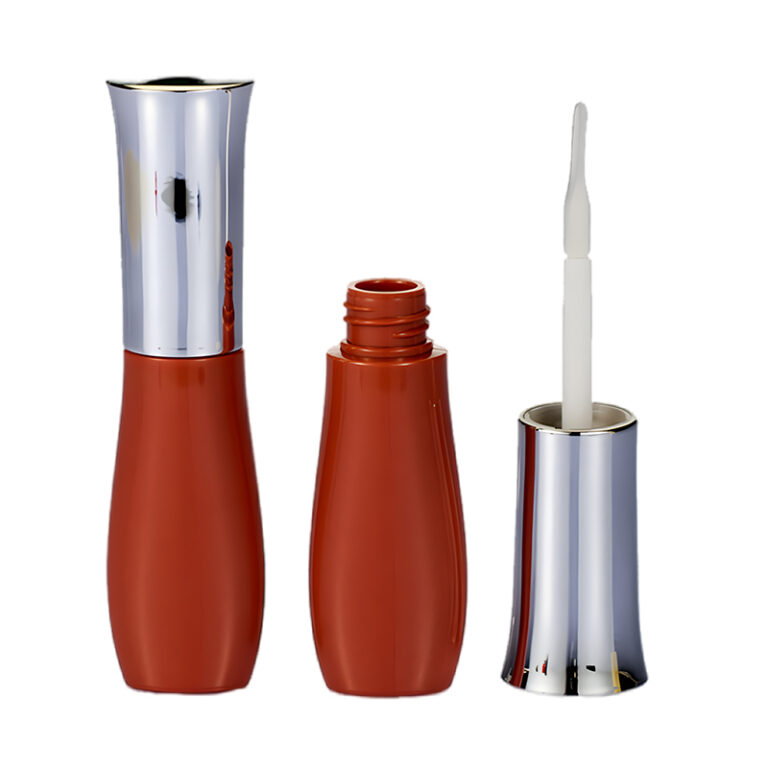
Intro: Why Small Packaging Choices Change Big Results
You toss a gloss into your tote before a long commute, thinking it will survive the ride. The clear lip gloss tube feels solid, simple, and safe, não é? Then a smear shows up on your phone screen—tiny leak, big mess. Across launch lines, 8–12% of returns can trace back to packaging issues like cap torque drift, wiper friction burn, or poor seal geometry. That is a lot for a product that seems so basic. In real use, high-viscosity formulas meet tight wipers, and poorly molded threads meet hurried hands. Injection molding tolerances, a weak leak test, or low-shore gaskets can undo the whole show (quietly, too). Now think about shelf time and heat: swelling, air ingress, off-odors—funny how that works, right?
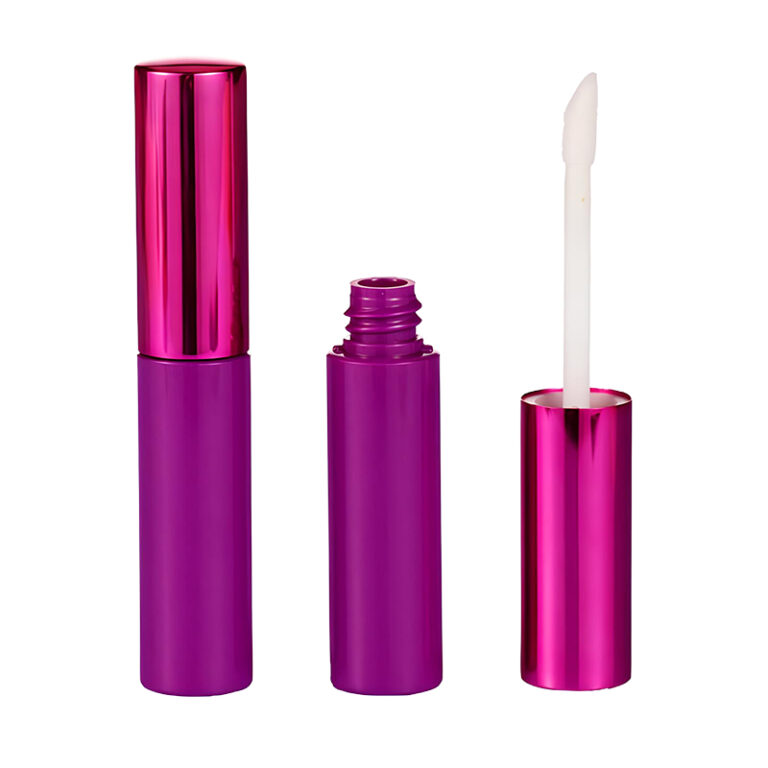
Tudo bem, the problem is not the look. It is the unseen micro-fit between wand, wiper insert, and neck. The numbers matter: thread start angle, torque window, even cap liner hardness. Do these details change the swipe on the lips? Yes. They also change returns and reviews. So, what separates a glossy win from a sticky failure under pressure? Let’s compare what usually goes wrong—and why.
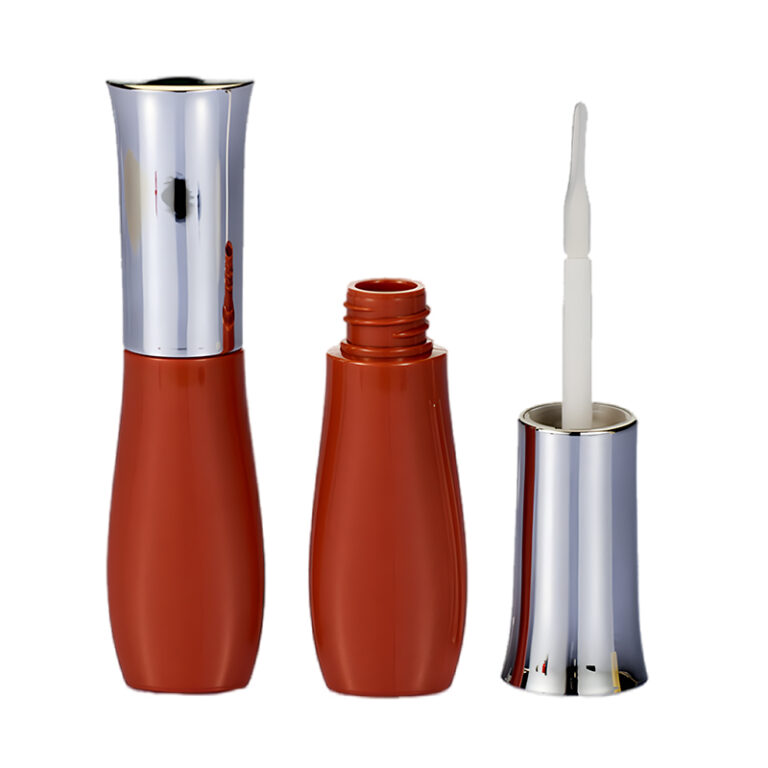
Deeper Layer: Hidden Pain Points in Clear Tubes
Where Do Micro-Leaks Begin?
Start with the core assembly. In clear lip gloss tubes, clarity hides risk. PP/PETG resin walls look perfect, but the real action is at the neck and wiper. If the wiper ID is 0.1–0.2 mm off, friction spikes and pulls excess formula back toward the thread. Cap torque then drops during transport. A small shift, a big leak. ISO 22715 gives guidance, yet the daily variables—resin shrink, mold cavity wear, and batch viscosity—decide the outcome. Look, it’s simpler than you think: keep friction in a tight band, and the seal wins.
Now for oxygen and odor. A single-layer PETG tube can invite slow permeation. Over weeks, volatile oils fade, color drifts, and the swipe feels dry. You see clarity, but not the loss. Coating and co-extrusion help, but so does a better cap liner and a true airtight seal. Doe-foot applicator fit, wiper lip design, and cap thread concentricity create a chain. If one link slips, the consumer pays with smears and stings—funny how that works, right?
Forward Look: Smarter Specs, Real-World Checks
What’s Next
Here’s the comparative bit. New barrier ideas—EVOH co-extrusion, UV-block masterbatch, and low-odor elastomer liners—cut permeation without losing clarity. Ultrasonic welding around the wiper seat stops creep. Torque-controlled caps keep seal pressure stable after drop, heat, and vibration. A capable clear lip gloss tube factory will pair these with line audits: per-lot torque maps, leak tests under vacuum, and accelerated aging. The result is not only fewer messes, but steadier feel on lips. Less air in. Less dry-back. Better swipe. And stress tests that match the metro bag, not just the lab bench.
Compared with older single-wall PETG and generic wipers, these builds cut odor shift and weep. They hold color longer because OTR drops. They pass drop tests because thread start and cap cam are tuned together. In short, we make clarity work for the user, not against them. If you need a quick way to choose, use three yardsticks: one, barrier performance (OTR and solvent loss over 4–8 weeks). Two, seal integrity (retention torque after heat cycle, plus zero-fail leak rate on vacuum). Three, user feel (wiper extraction force bands and clean wipe on a 0.4–0.6 Pa·s formula). Keep those steady—and your reviews stay clean. For steady advice and reliable specs without the noise, see NAVI Packaging.