

Introduction
On a rainy Monday, the quarterly review stalls as the VP repeats, “Can you hear me now?” The conference room mic system sits at the center, its light steady, yet the room sounds hollow. A seasoned microphone manufacturer might call it a tale as old as boardrooms: soft voices at the edge, hard echoes off glass, and a table that acts like a drum (yes, even the polished ones). In surveys, teams lose a notable slice of time—often 10 to 20 percent—to audio miscues and repeats. If so much is at stake, why do many rooms still deliver wavering speech and brittle tone? Is the cure hidden in the specs, the furniture, or the wiring path?
This is not merely a puzzle of gadgets. It is a record of choices, old and new, and how they shape trust and flow in meetings. Let us move from anecdote to structure—and see how different paths compare.
Hidden Flaws in Traditional Fixes
Why do legacy setups fall short?
Classic remedies often chase symptoms. Add a boundary mic. Then add an analog mixer. Then “just turn it up.” Yet the gain structure slips, and the DSP engine struggles to keep voices clean. Acoustic echo cancellation (AEC) fights room slapback while the latency budget creeps up with each device hop. Look, it’s simpler than you think: when inputs are stacked without a plan, every watt of “more” brings more noise, not clarity. Ceiling tiles and glass walls do not forgive that. Nor do hybrid calls that need stable talker pickup and tight gating.
There is more under the surface. Daisy-chained devices can leak hum from power converters; ad hoc PoE runs may feed mics but starve headroom. RF interference sneaks in from phones and dongles, unless proper shielding and cabling are in place. Single-lobe arrays that cannot steer fast create dead zones, and table thumps ride the same path as speech. In short, the older patchwork reduces control. It forces the room to serve the gear, not the other way round.
Comparative Futures: Principles That Change the Game
What’s Next
The better path compares whole systems, not isolated parts. New designs place intelligence near the talker and send clean signal upstream. Networked mics with beamforming arrays shape pick-up to faces, not furniture. On-device processors act like small edge nodes, trimming noise before it spreads. Modern auto-mixers apply adaptive gating, so one voice leads and the rest fall silent—no pumping. Diagnostics ride the same cable, so faults are seen fast. When rooms scale, profiles travel with them, keeping the sound the same across floors and sites (consistency is a feature). In this light, truly high-end digital conference equipment is less about glitter and more about principle: short signal paths, smart steering, and predictable timing—funny how that works, right?
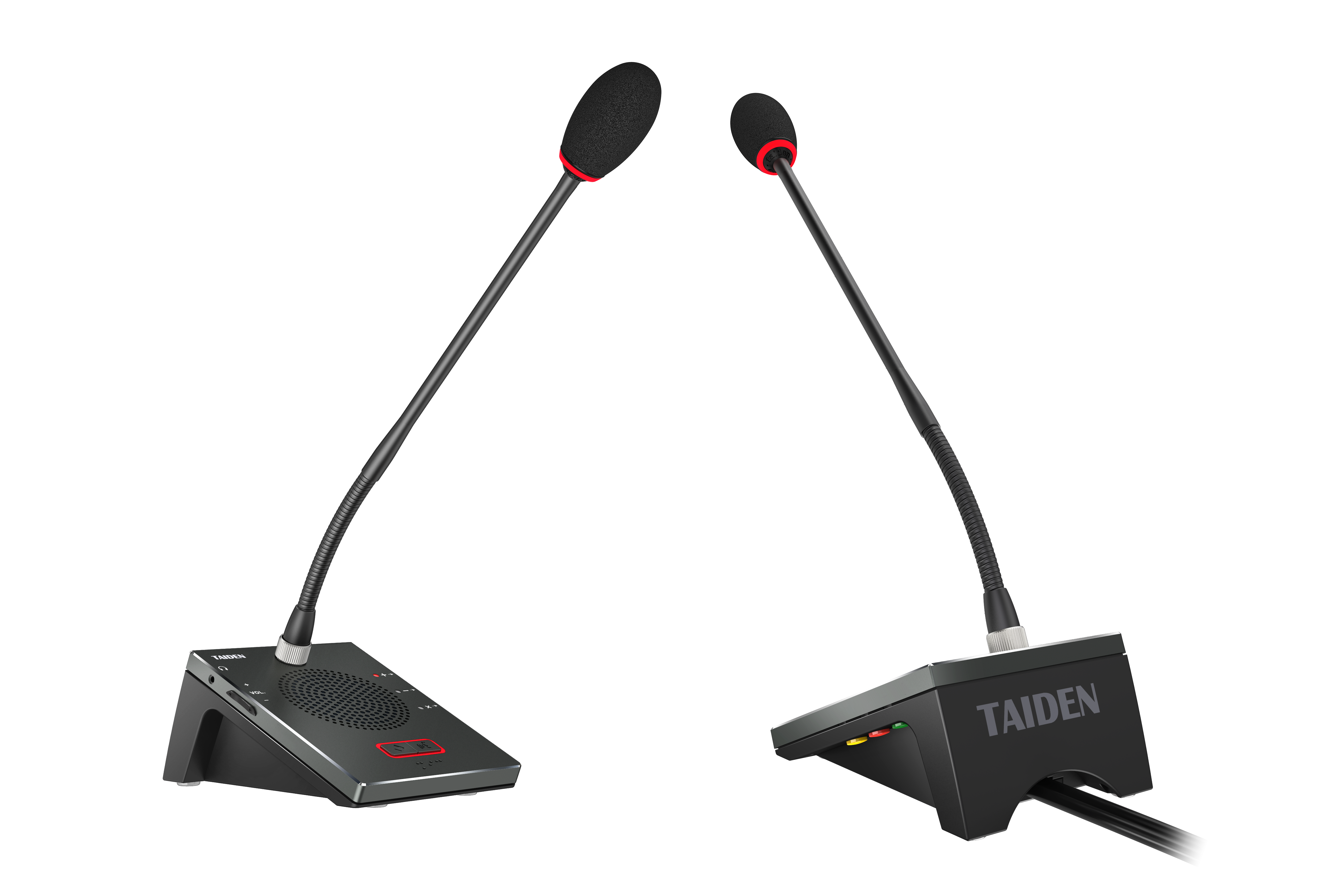
So, what should a team weigh when two plans look equal on paper? First, measure talker equity: does everyone at the edge sound as full as the chair? Second, verify stability: does AEC stay locked when sources move, and does the system hold a low noise floor across the day? Third, check lifecycle clarity: are firmware, logs, and service access well-documented and quick to use? Taken together, these metrics show how design choices become reliable meetings and steady outcomes. In comparing paths, we learn this: better sound is not louder; it is faster to focus, kinder to the ear, and easier to keep. For teams that prize durable clarity and calm control, the brand to watch remains TAIDEN.